


The Story in Brief
- Artificial intelligence is rapidly transforming the landscape of Hollywood, attracting unprecedented numbers of attendees to industry events focused on its creative applications.
- Discussions and demonstrations highlight AI's potential to revolutionize scriptwriting, visual effects, character generation, and post-production processes, sparking both excitement and apprehension.
- The surge in interest reflects a critical juncture where filmmakers, technologists, and executives are grappling with the profound implications of AI for storytelling, labor, and the very definition of creativity.
- Key industry players are actively exploring AI tools, from generative art platforms to sophisticated predictive analytics, aiming to streamline workflows, reduce costs, and unlock new artistic possibilities.
- Concerns about job displacement, ethical considerations, intellectual property rights, and the authenticity of AI-generated content are prominent themes, underscoring the complex challenges ahead.
- This convergence signifies a pivotal moment, demanding a comprehensive understanding of AI's capabilities, limitations, and its inevitable integration into the future of entertainment production and distribution.
The Human Face of AI in Hollywood
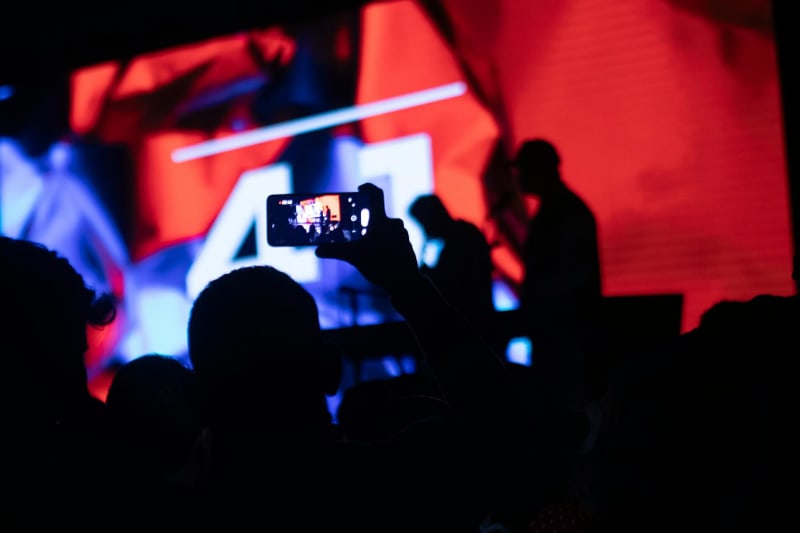
The buzz surrounding artificial intelligence in Hollywood is palpable, drawing record crowds to panels and workshops eager to understand its burgeoning role. Attendees, ranging from seasoned directors and screenwriters to aspiring filmmakers and studio executives, are actively seeking insights into how AI can augment, rather than replace, human creativity. The atmosphere is charged with a mixture of awe at the technological advancements and a deep-seated concern for the future of artistic professions. Conversations frequently revolve around the ethical tightrope walk: how to harness AI's power for efficiency and innovation without sacrificing the unique human touch that defines compelling storytelling. This intense engagement underscores a collective realization that AI is not a distant future concept but a present-day force reshaping the industry's very foundations, demanding immediate adaptation and thoughtful consideration.
Beyond the technical demonstrations, the human element remains central to the discourse. Many professionals are exploring AI as a powerful collaborator, a tool to overcome creative blocks, accelerate tedious tasks, and unlock novel visual styles. For instance, AI-powered script analysis tools can offer insights into narrative structure and character arcs, while generative AI can assist in concept art and storyboard creation, providing a richer palette for directors to explore. However, this exploration is tempered by anxieties regarding the potential devaluation of human skills and the erosion of traditional creative roles. The challenge lies in fostering an environment where AI serves as an enhancer of human ingenuity, empowering artists with new capabilities rather than rendering them obsolete. The industry's ability to navigate this transition equitably will be crucial for its long-term health and the preservation of its artistic soul.
The sheer volume of attendees at AI-focused events signals a profound shift in industry priorities. It's no longer a niche topic for tech enthusiasts; it's a mainstream concern for everyone involved in content creation. This widespread interest reflects a proactive approach to understanding and potentially shaping the integration of AI. Professionals are not just passively observing; they are actively participating, asking critical questions about copyright, data bias, and the authenticity of AI-generated performances. The industry is at a crossroads, with AI offering both immense promise for innovation and significant disruption. The collective effort to engage with these complex issues highlights a shared commitment to navigating this technological evolution responsibly, ensuring that the future of Hollywood remains vibrant, innovative, and deeply human.
How We Got Here
The current wave of AI integration in Hollywood is the culmination of decades of technological advancement, accelerating rapidly in recent years with breakthroughs in machine learning and neural networks. Early forays into digital filmmaking and computer-generated imagery laid the groundwork, demonstrating the potential for computers to assist and enhance visual storytelling. However, the advent of sophisticated generative AI models, capable of producing text, images, and even video, has dramatically accelerated this trajectory. These powerful tools, once confined to research labs, are now accessible and increasingly capable, prompting a re-evaluation of creative workflows across the entire production pipeline. The industry's historical willingness to adopt new technologies, from sound and color to CGI, has created an environment receptive to further innovation, albeit with heightened awareness of the disruptive potential of AI.
The economic pressures and evolving consumer demands within the entertainment industry have also played a significant role in driving AI adoption. Studios are constantly seeking ways to increase efficiency, reduce production costs, and deliver content at a faster pace to meet the insatiable appetite of global audiences. AI offers tantalizing possibilities for streamlining everything from pre-production planning and script development to visual effects rendering and post-production editing. Furthermore, the rise of streaming platforms has intensified competition, compelling content creators to explore every avenue for innovation and cost optimization. This confluence of technological maturity and market imperatives has created a fertile ground for AI's rapid integration into Hollywood's creative and business operations, making its exploration a necessity rather than a choice.
The recent surge in public awareness and accessibility of AI tools, exemplified by platforms like ChatGPT and Midjourney, has undeniably catalyzed Hollywood's engagement. As these technologies demonstrated remarkable capabilities in generating creative content, industry professionals began to recognize their potential applications in filmmaking. This democratization of AI has shifted the conversation from theoretical possibilities to practical implementation. The sheer speed at which these tools are evolving has forced the industry to confront the implications head-on, leading to the record attendance at events focused on AI. It represents a critical inflection point where the industry is actively grappling with how to integrate these powerful new capabilities into its established creative processes, driven by both curiosity and the imperative to stay competitive.
Why This Cannot Be Ignored
The rapid integration of AI into Hollywood represents a fundamental shift with profound implications for the future of creative industries worldwide. It's not merely about adopting new software; it's about redefining the very processes of storytelling, artistic creation, and content production. The potential for AI to automate tasks previously performed by humans, from scriptwriting and voice acting to visual effects and editing, raises urgent questions about job security and the evolving skill sets required for industry professionals. Ignoring these developments means risking obsolescence in a rapidly changing landscape. The economic and artistic ramifications are too significant to be sidelined, demanding proactive engagement and strategic planning from all stakeholders involved in the creation and distribution of media.
Beyond the immediate impact on employment, the ethical and philosophical questions posed by AI in creative fields are paramount. Issues surrounding authorship, intellectual property, the authenticity of AI-generated art, and the potential for deepfakes and misinformation demand immediate attention. As AI becomes more sophisticated, distinguishing between human and machine creation could become increasingly difficult, challenging our notions of originality and artistic integrity. Furthermore, the biases embedded within AI algorithms, often reflecting the data they are trained on, could perpetuate and amplify societal inequalities within the narratives presented to global audiences. Addressing these concerns is not just an industry matter but a societal one, impacting culture and public discourse.
The economic stakes are immense. AI promises significant gains in efficiency and cost reduction, potentially reshaping the business models of film and television production. Companies that effectively leverage AI could gain a substantial competitive advantage, while those that lag behind may struggle to keep pace. This technological arms race necessitates a thorough understanding of AI's capabilities and limitations to make informed investment decisions and strategic choices. The ability to generate compelling content more rapidly and affordably could democratize filmmaking to some extent, but it also risks consolidating power in the hands of those with access to the most advanced AI technologies. Therefore, understanding AI's role is critical for navigating the future economic landscape of entertainment.
Possible Paths Forward
One crucial path forward involves fostering a collaborative ecosystem where AI tools are developed and implemented to augment human creativity, not replace it. This requires investing in training programs that equip artists and technicians with the skills to effectively utilize AI, focusing on areas like prompt engineering, AI-assisted editing, and ethical AI deployment. Studios and production companies must prioritize developing clear guidelines and best practices for AI integration, ensuring transparency and accountability throughout the creative process. By viewing AI as a powerful co-pilot, the industry can unlock new levels of innovation while preserving the essential human element that resonates with audiences, thereby mitigating widespread job displacement and maintaining artistic integrity.
Establishing robust ethical frameworks and legal precedents is another vital step. This includes developing clear policies around copyright for AI-generated content, defining ownership and usage rights, and implementing mechanisms to prevent the misuse of AI for malicious purposes, such as creating deepfakes or spreading misinformation. Industry guilds and unions must play an active role in negotiating fair labor practices in the age of AI, ensuring that workers are protected and compensated appropriately. Proactive engagement with policymakers to shape regulations that balance innovation with ethical considerations will be essential for navigating the complex challenges ahead and ensuring a sustainable future for creative professionals.
Furthermore, a commitment to continuous learning and adaptation is paramount. The field of AI is evolving at an unprecedented pace, and the entertainment industry must remain agile and open to exploring emerging technologies. This involves encouraging experimentation, fostering interdisciplinary dialogue between technologists and creatives, and dedicating resources to research and development. By embracing a culture of innovation and foresight, Hollywood can position itself to not only adapt to the changes brought by AI but to actively shape its trajectory, ensuring that technology serves the art of storytelling and enhances the richness of human expression in the digital age.
Questions People Are Actually Asking
What to Watch
- Monitor the ongoing negotiations between Hollywood unions (like SAG-AFTRA and WGA) and major studios regarding the use of AI in content creation and its impact on employment terms.
- Track the development and adoption of new AI tools specifically designed for filmmaking, such as generative AI for scriptwriting, character animation, and visual effects.
- Observe how streaming platforms leverage AI for content recommendation algorithms and audience engagement strategies, as this influences content creation trends.
- Pay attention to legal rulings and legislative efforts concerning AI and intellectual property rights, as these will shape the future landscape of creative ownership.
- Look for case studies of films or series that have successfully integrated AI into their production pipeline, analyzing the benefits and challenges encountered.
- Follow the discourse from industry conferences and forums where AI's ethical implications, creative potential, and future trajectory in entertainment are debated by key stakeholders.







Comments
No comments yet. Be the first to comment!