
The Numbers
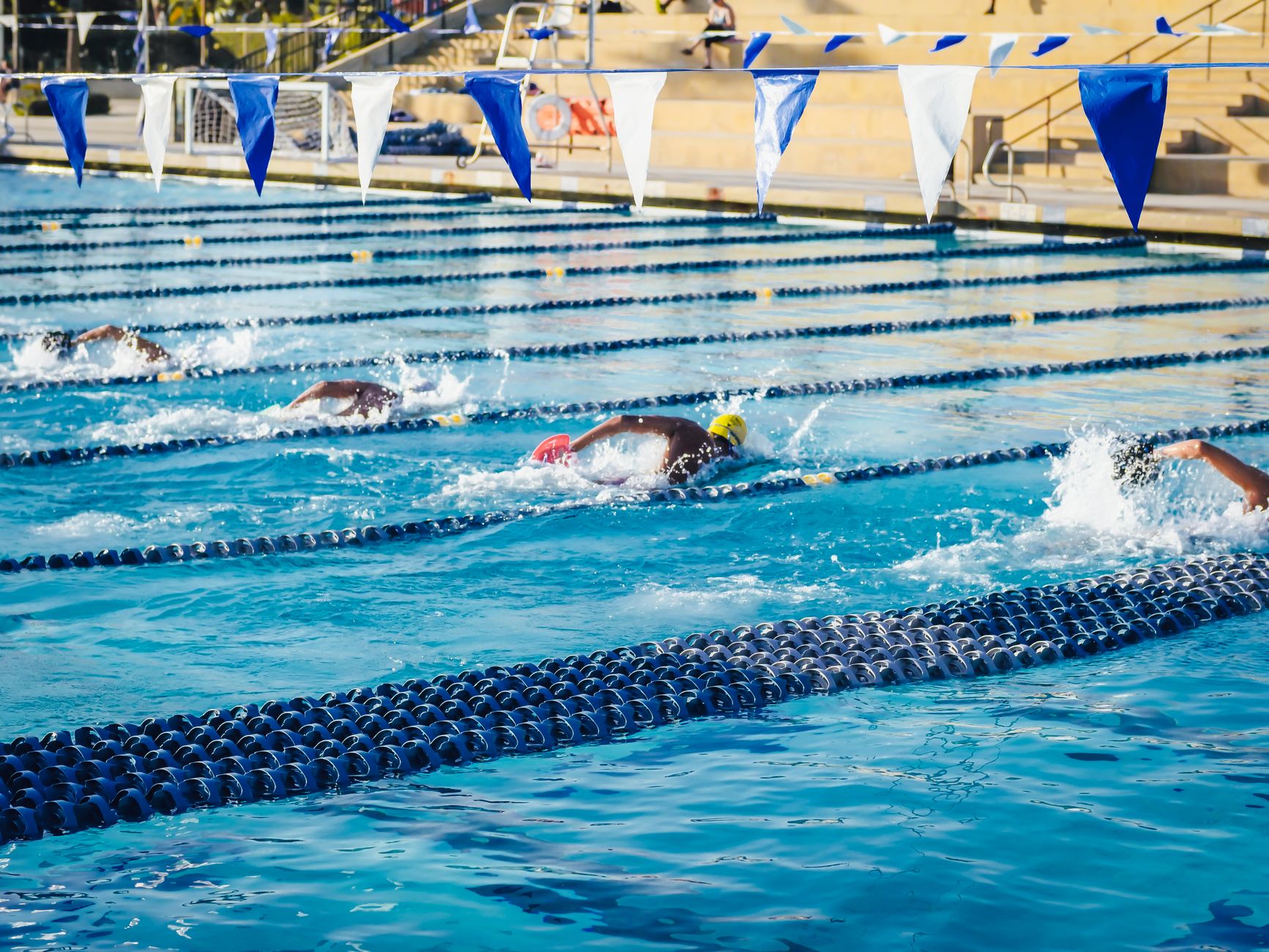
- Approximately 3,000 daily users will be displaced by the Rose Bowl Aquatic Center's impending closure, representing a significant disruption to their fitness routines and training schedules.
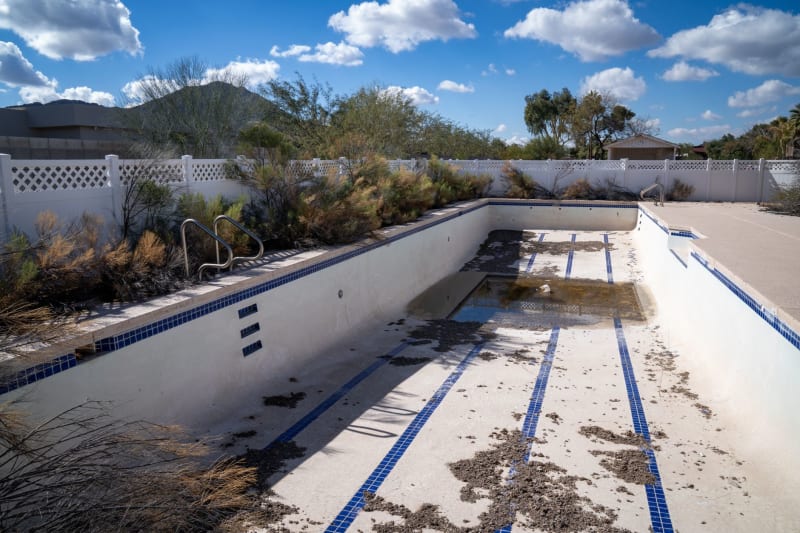
- The closure period is projected to last several months, commencing in 2027 and extending into 2028, directly impacting the lead-up to the Los Angeles Olympic Games.
- Over 10 competitive swim teams, including youth, high school, and masters programs, rely on the Rose Bowl Aquatic Center as their primary training and competition venue, facing immediate logistical challenges.
- The estimated economic impact on local businesses surrounding the aquatic center, from cafes to sporting goods stores, could be substantial, as thousands of daily visitors will no longer frequent the area.
- More than 50 aquatic fitness classes, ranging from water aerobics to specialized rehabilitation programs, will be suspended or forced to find alternative, often less suitable, locations.
- The 2028 Los Angeles Olympics, while a prestigious event, will necessitate significant infrastructure adjustments, including the temporary repurposing of key community facilities like the Rose Bowl Aquatic Center.
- Annual revenue generated by the aquatic center, which supports its operations and community programs, will experience a sharp decline during the closure, potentially affecting future facility enhancements.
Context Check
The Rose Bowl Aquatic Center, a cornerstone of the Pasadena community, is renowned for its Olympic-sized pools and comprehensive aquatic programs. For decades, it has served as a vital hub for competitive swimmers, recreational users, and individuals seeking therapeutic water activities. Its closure, even if temporary, represents a profound disruption to the daily lives of thousands who depend on its facilities for health, wellness, and athletic development. The center's reputation extends beyond local boundaries, attracting athletes and events from across the region, solidifying its status as a premier aquatic destination.
The decision to temporarily close the center is directly linked to the preparations for the 2028 Los Angeles Olympic Games. While the specific role of the aquatic center in the Olympic framework has not been fully detailed, it is understood that the facility will be utilized for training, warm-ups, or potentially even as a support venue for Olympic athletes. This strategic importance, however, comes at a cost to the local community, highlighting the complex trade-offs involved when hosting a global event. The city of Pasadena and the Olympic organizing committee are tasked with balancing the grandeur of the Games with the immediate needs of its residents.
The impending shutdown has ignited a wave of concern among the aqua-set, a term affectionately used for the dedicated community of swimmers, divers, and water polo players who frequent the facility. This concern stems not only from the loss of access to a world-class facility but also from the uncertainty surrounding alternative arrangements. Many users have expressed frustration over the perceived lack of timely communication and concrete plans for mitigating the impact on their training schedules and programs. The emotional attachment to the center runs deep, making the prospect of its closure a particularly sensitive issue for many.
Background
The Rose Bowl Aquatic Center has a storied history, established decades ago to serve the growing demand for aquatic sports and recreation in the Pasadena area. Over the years, it has undergone numerous expansions and renovations, evolving into the state-of-the-art facility it is today. Its pools have witnessed countless records broken, national championships held, and generations of swimmers learn to navigate the water. This deep legacy has fostered a strong sense of community ownership and pride, making any interruption to its operations a significant event for its dedicated patrons. The center is not just a collection of pools; it is a vital community institution.
The 2028 Los Angeles Olympics represent a monumental undertaking, requiring extensive planning and coordination across various venues and municipalities. While the excitement for the Games is palpable, the logistical challenges are immense. The temporary closure of facilities like the Rose Bowl Aquatic Center is an inevitable consequence of preparing for an event of this magnitude. The Olympic committee's need for dedicated, high-quality training and support facilities often means that existing community infrastructure must be temporarily repurposed or upgraded, leading to disruptions for regular users.
Initial discussions regarding the aquatic center's role in the Olympics began several years ago, but concrete details about the closure timeline and its specific implications have only recently come into sharper focus. This gradual rollout of information has contributed to the current anxieties, as users and program organizers grapple with the practicalities of finding suitable alternatives on relatively short notice. The lack of a comprehensive, proactive communication strategy has left many feeling uninformed and unprepared for the impending changes, exacerbating the sense of uncertainty within the community.
Winners and Losers
The primary 'winners' in this scenario are undoubtedly the 2028 Los Angeles Olympic Games organizers and, by extension, the Olympic athletes who will benefit from access to a premier training facility. The ability to utilize a world-class venue like the Rose Bowl Aquatic Center ensures that athletes have optimal conditions for preparation, contributing to the overall success and prestige of the Games. This temporary repurposing underscores the city's commitment to providing top-tier infrastructure for an international sporting event, potentially enhancing Los Angeles's reputation on the global stage. The city itself also stands to gain from the increased visibility and economic stimulus associated with hosting the Olympics.
On the other side, the most significant 'losers' are the thousands of daily users of the Rose Bowl Aquatic Center. This includes competitive swimmers, from aspiring Olympians to dedicated masters athletes, who will lose access to their primary training grounds. Recreational swimmers, families, and individuals participating in therapeutic programs will also face considerable inconvenience and potential disruption to their health and wellness routines. The sudden loss of a familiar, high-quality facility forces them to scramble for alternatives, which are often less convenient, more expensive, or simply unavailable, leading to a decline in participation and overall well-being for many.
Local swim teams and aquatic programs also fall squarely into the 'loser' category. These organizations rely heavily on the Rose Bowl Aquatic Center for practice, competitions, and community engagement. The closure will necessitate a complete overhaul of their schedules, potentially forcing them to travel long distances, split practices across multiple smaller facilities, or even temporarily suspend programs. This disruption could lead to a loss of members, coaching staff, and overall program stability, with long-term implications for the development of aquatic sports in the region. The ripple effect on youth development and athletic pipelines is a significant concern for coaches and parents alike.
Analyst Perspectives
Sports management analysts emphasize that temporary facility closures are an unavoidable reality when a city hosts a major international event like the Olympics. Dr. Evelyn Reed, a sports economist, notes, "While inconvenient for local users, these closures are integral to ensuring the Games run smoothly and that athletes have access to the best possible facilities. The economic and reputational benefits for the host city often outweigh the temporary disruptions, assuming proper mitigation strategies are in place." She suggests that the long-term legacy of the Olympics can bring improvements to local infrastructure, but the short-term pain is a necessary cost.
However, urban planning experts highlight the importance of proactive community engagement and robust contingency planning. Dr. Marcus Chen, an urban policy specialist, states, "The key to minimizing negative impact is transparent communication and the early identification of alternative venues. Leaving communities in the dark or presenting last-minute solutions only exacerbates frustration and can erode public trust." He advocates for detailed public forums and dedicated resources to help displaced users find suitable alternatives, emphasizing that a successful Olympic experience should not come at the expense of local residents' well-being.
Aquatic sports coaches and administrators, while understanding the Olympic imperative, stress the critical need for viable alternatives. Coach Sarah Jenkins, a veteran swim coach, warns, "Without adequate replacement facilities, we risk losing athletes from the sport, especially younger ones who need consistent access to water. The disruption to training cycles can be significant, potentially impacting performance and even scholarship opportunities." She argues that the Olympic committee and local authorities have a responsibility to ensure the continuity of aquatic programs, perhaps by subsidizing access to other pools or investing in temporary structures.

Key Questions Explained
The Outlook
The immediate outlook for the Rose Bowl Aquatic Center community is one of uncertainty and adaptation. While the closure is temporary, the duration and the availability of suitable alternatives remain pressing concerns. Users should brace for a period of significant adjustment, which will likely involve changes to their routines, potential increases in travel time, and possibly higher costs for accessing other facilities. The success of this transition will largely depend on the clarity and timeliness of communication from city officials and the aquatic center management, as well as the proactive identification of viable alternative venues.
Looking further ahead, there is a hopeful expectation that the Rose Bowl Aquatic Center will emerge from its Olympic hiatus potentially enhanced and ready to serve the community even better. The prestige of being associated with the Olympic Games could bring renewed attention and investment to the facility, leading to upgrades or new programs. However, this long-term benefit does not negate the short-term challenges. The community's resilience and dedication to aquatic sports will be tested, but their passion for the water is likely to ensure a strong return once the center reopens its doors.
Ultimately, the Rose Bowl Aquatic Center's temporary closure serves as a stark reminder of the complex interplay between global events and local communities. While the 2028 Olympics promise excitement and international recognition for Los Angeles, they also necessitate sacrifices and adjustments at the local level. The challenge for city planners and Olympic organizers is to manage these disruptions with empathy and efficiency, ensuring that the legacy of the Games includes not only sporting glory but also a strengthened and supported local infrastructure and community. Transparent dialogue and robust contingency planning will be paramount in navigating this period successfully.














Comments
No comments yet. Be the first to comment!