
The Story in Brief
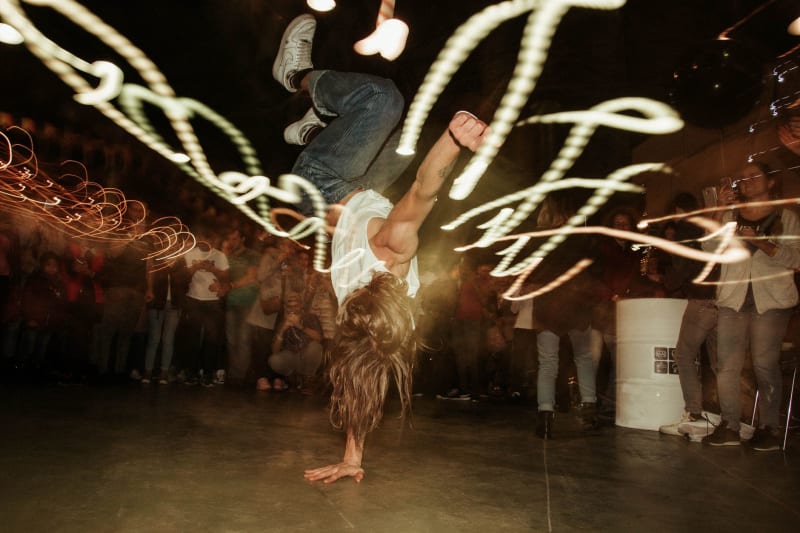
- B-Boy Phil Wizard (Canada) delivered a breathtaking performance, ultimately securing the coveted gold medal in the fiercely contested breaking competition, showcasing unparalleled skill and artistry.
- Victor Montalvo, representing the United States, demonstrated exceptional resilience and technique, earning a well-deserved bronze medal and solidifying his position among the sport's elite.
- The competition featured an array of world-class breakers, each pushing the boundaries of creativity and athleticism, making it a truly memorable event for fans and participants alike.
- This event marks a significant milestone for breaking, further elevating its profile and demonstrating its growing appeal on the global stage, especially with its inclusion in major sporting events.
- The intense battles and innovative moves displayed by all competitors underscored the dynamic and evolving nature of breaking as both an art form and a highly demanding sport.
- Judges faced challenging decisions due to the consistently high level of execution and originality from the athletes, highlighting the subjective yet rigorous scoring criteria in breaking.
The Human Face
The raw emotion and sheer dedication visible on the faces of competitors like Phil Wizard and Victor Montalvo truly encapsulate the human spirit of breaking. Phil Wizard's journey to gold was not just about technical prowess; it was a testament to years of relentless practice, innovative choreography, and an unwavering passion for the art form. His victory resonated deeply with fans, inspiring countless aspiring breakers to pursue their dreams with similar tenacity and creative flair. The roar of the crowd as he landed his final power moves was a visceral expression of collective admiration for his mastery.
Victor Montalvo's bronze medal performance was equally compelling, showcasing a blend of explosive power and intricate footwork that has become his signature. For Victor, this medal represents more than just a podium finish; it symbolizes the culmination of personal sacrifices, countless hours spent refining his craft, and overcoming immense pressure on the biggest stage. His ability to maintain composure and deliver a flawless routine under such intense scrutiny speaks volumes about his mental fortitude and experience. The pride in his eyes as he accepted his medal was a powerful reminder of the profound personal significance of these achievements.
Beyond the individual triumphs, the competition fostered a palpable sense of camaraderie among the athletes, despite the fierce rivalry. Backstage, moments of mutual respect and encouragement were common, highlighting the tight-knit community that underpins the global breaking scene. This blend of intense competition and supportive fellowship creates a unique environment where athletes push each other to new heights while celebrating the collective evolution of their art. The human element, with all its triumphs and struggles, remains at the heart of what makes breaking such a captivating and inspiring spectacle.
How We Got Here
The journey to this monumental breaking competition has been decades in the making, rooted in the vibrant street culture of the Bronx in the 1970s. What began as an expressive dance form within nascent hip-hop culture gradually evolved, spreading globally through word-of-mouth, VHS tapes, and eventually, the internet. Early pioneers laid the groundwork, developing fundamental moves and establishing the battle format that defines competitive breaking today. These foundational elements, passed down through generations, created a rich tapestry of styles and techniques that continue to inspire contemporary breakers.
In recent years, breaking has experienced a significant surge in mainstream recognition, largely due to its dynamic appeal and the dedicated efforts of organizations advocating for its inclusion in major sporting events. This push culminated in its historic debut as an Olympic sport, a decision that irrevocably transformed its trajectory. The formalization of judging criteria, the establishment of international federations, and the increasing professionalization of athletes have all contributed to elevating breaking from a subculture phenomenon to a globally recognized athletic discipline. This transition has brought both opportunities and challenges, as the sport navigates its new status.
The specific competition that saw Phil Wizard and Victor Montalvo on the podium was the culmination of a rigorous qualification process, drawing the best B-Boys and B-Girls from around the world. Athletes trained intensely, honing their unique styles and developing innovative routines designed to impress judges and captivate audiences. National and international circuits provided platforms for these competitors to test their skills and earn their spots, ensuring that only the most prepared and talented individuals reached this elite stage. The event itself was meticulously planned, reflecting the growing investment and infrastructure supporting competitive breaking.
Why This Cannot Be Ignored
The outcomes of this breaking competition, particularly Phil Wizard's gold and Victor Montalvo's bronze, are far more significant than mere medal counts; they represent a critical juncture for the sport's global expansion and cultural integration. These victories elevate the profiles of individual athletes and their respective nations, inspiring a new generation to engage with breaking. This increased visibility translates into greater investment, improved training facilities, and more opportunities for aspiring breakers worldwide, fundamentally reshaping the landscape of youth sports and cultural expression. Ignoring these results would be to overlook a powerful catalyst for change within global youth culture.
Furthermore, the success of athletes like Phil Wizard and Victor underscores the powerful narrative of breaking as a legitimate athletic and artistic discipline, challenging outdated perceptions and stereotypes. Their performances, characterized by incredible strength, agility, creativity, and musicality, unequivocally demonstrate the rigorous demands of the sport. This shift in perception is crucial for securing long-term funding, attracting corporate sponsorships, and ensuring breaking's continued presence in major international competitions. Without recognizing these achievements, the sport risks being marginalized, hindering its potential to reach an even wider audience and secure its rightful place in the pantheon of global sports.
Beyond the competitive aspect, these results have profound cultural implications. Breaking, with its roots in diverse communities, serves as a powerful medium for self-expression and cultural exchange. The international stage provided by this competition allowed for a vibrant showcase of different styles and interpretations, fostering cross-cultural understanding and appreciation. The stories of these athletes, often emerging from humble beginnings to achieve global recognition, resonate deeply, offering hope and demonstrating the transformative power of dedication and passion. To disregard these narratives is to miss a vital opportunity to celebrate a dynamic and inclusive global art form that continues to break down barriers.
Possible Paths Forward
Following the success of this competition, one clear path forward involves leveraging the increased visibility to further professionalize the sport. This means establishing more robust athlete development programs, securing greater financial backing for training and travel, and creating standardized, equitable competition structures across all levels. Investing in coaching certifications and sports science support will ensure that breakers can train safely and effectively, pushing the boundaries of what's possible while minimizing injury risks. This professionalization is essential for attracting top talent and sustaining the sport's growth long-term, ensuring that breaking can continue to thrive as a viable career path for dedicated athletes.
Another crucial direction is to expand grassroots initiatives, making breaking more accessible to diverse communities worldwide. This includes funding community centers, organizing free workshops, and developing youth leagues that introduce breaking to children at an early age. By fostering an inclusive environment, the sport can tap into a wider talent pool and ensure that its unique cultural heritage is preserved and passed down. These efforts will not only cultivate future champions but also provide positive outlets for youth, promoting physical activity, creativity, and self-expression, thereby enriching communities globally.
Finally, there's an opportunity to innovate within the sport itself, exploring new competition formats and technological integrations that enhance the spectator experience without compromising the essence of breaking. This could involve incorporating augmented reality into broadcasts, developing interactive fan engagement platforms, or experimenting with team-based breaking formats. Such innovations could attract new audiences, particularly younger demographics, and solidify breaking's position as a cutting-edge sport. Balancing tradition with innovation will be key to ensuring breaking remains relevant and exciting for generations to come, continually evolving while honoring its roots.
Questions People Are Actually Asking
What to Watch
- The upcoming international breaking circuits and championships, as top athletes like Phil Wizard and Victor continue to compete and push the boundaries of the sport, setting new benchmarks for excellence.
- The development of new talent emerging from various regions, particularly how younger breakers are incorporating innovative techniques and styles, indicating the sport's continuous evolution and global reach.
- Discussions and decisions regarding breaking's long-term inclusion in future major sporting events, as its performance and reception at the Paris 2024 Games will heavily influence these critical evaluations.
- The growth of breaking academies and training programs worldwide, and how they adapt to the increased demand and professionalization of the sport, shaping the next generation of competitors.
- Sponsorship deals and media coverage surrounding breaking, which will indicate the level of commercial interest and its expanding mainstream appeal, influencing its financial sustainability.
- The ongoing balance between preserving breaking's authentic street culture roots and its integration into formalized sports structures, a crucial dynamic that will define its identity moving forward.






Comments
No comments yet. Be the first to comment!