
At a Glance
- The recent World Cup in Los Angeles provided an unparalleled opportunity to test critical infrastructure and operational strategies for the upcoming 2028 Olympic Games, offering invaluable real-world insights.
- Key areas under scrutiny included transportation logistics, security protocols, crowd management, and the overall fan experience across multiple venues, revealing both strengths and areas needing significant improvement.
- Local organizing committees and city officials meticulously observed how existing public transit systems handled massive influxes of international visitors, identifying bottlenecks and potential solutions for 2028.
- Security forces implemented advanced strategies, coordinating across various agencies to ensure public safety, and their performance during the World Cup offers a crucial benchmark for the heightened demands of the Olympics.
- The event served as a vital stress test for emergency services, communication networks, and volunteer coordination, providing actionable data to refine training and deployment plans for the larger Olympic scale.
- Feedback from attendees, local businesses, and participating teams is being rigorously analyzed to fine-tune every aspect of event planning, aiming to deliver a superior experience for athletes and spectators alike in 2028.
The Record
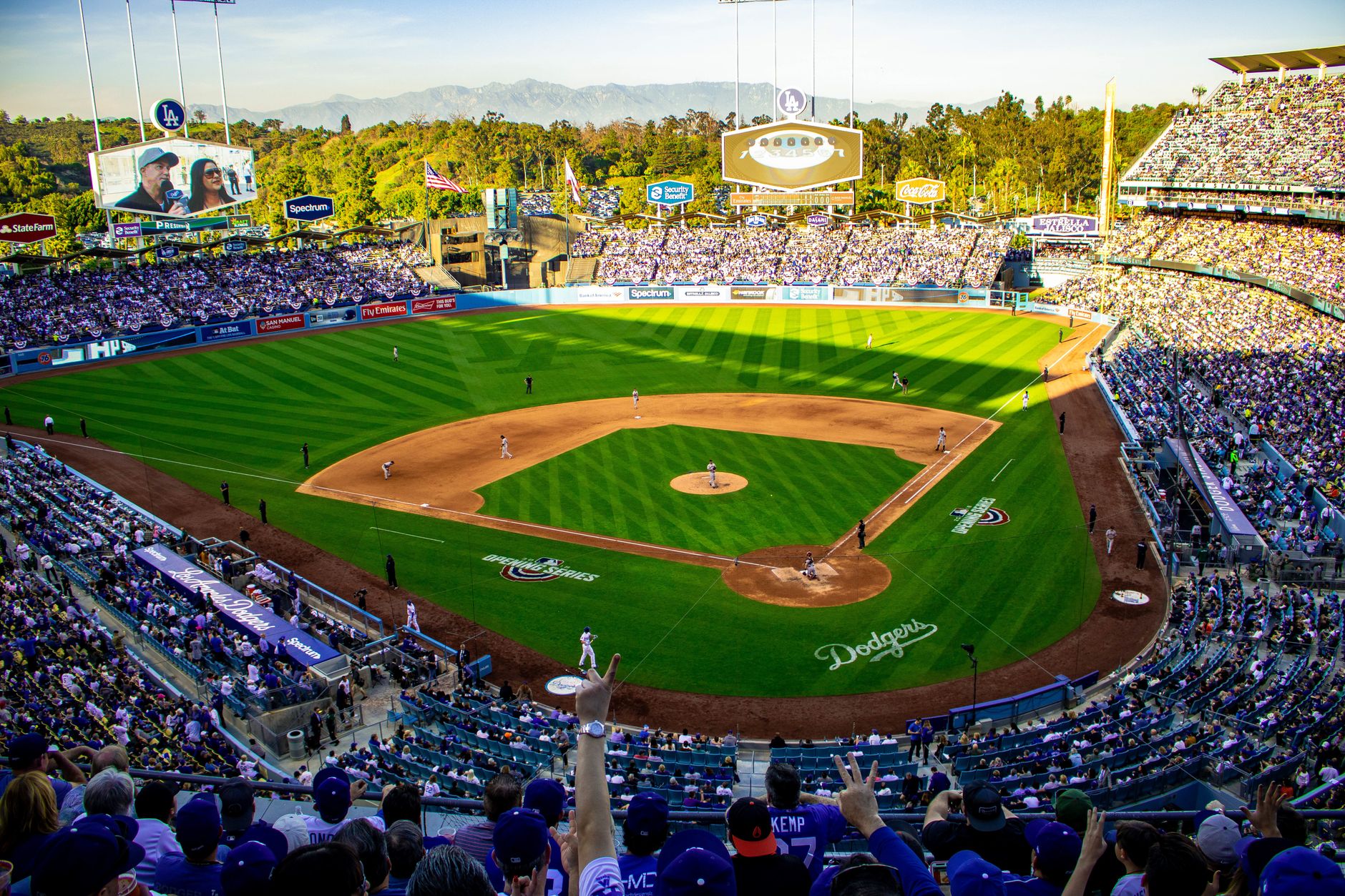
The recent World Cup matches hosted in Los Angeles were not merely standalone sporting events; they were strategically leveraged as an indispensable, large-scale operational dry run for the much-anticipated 2028 Olympic Games. This unprecedented opportunity allowed city planners, security forces, and logistical teams to test their capabilities under immense pressure, simulating the complex environment that the Olympics will present. Every aspect, from the flow of international visitors through LAX to the movement of spectators between iconic venues like SoFi Stadium and the Rose Bowl, was meticulously monitored and analyzed, providing a treasure trove of data that would be impossible to replicate in a controlled simulation.
One of the most critical areas of focus was the city's sprawling transportation infrastructure. The World Cup offered a real-time assessment of how public transit, ride-sharing services, and private vehicle traffic would cope with hundreds of thousands of additional people converging on specific areas simultaneously. Officials gained invaluable insights into the effectiveness of temporary road closures, dedicated shuttle services, and the capacity limits of the Metro system. This firsthand experience is now informing crucial adjustments to traffic management plans and public transport enhancements, ensuring that the 2028 Games can move athletes, officials, and fans efficiently and without undue congestion.
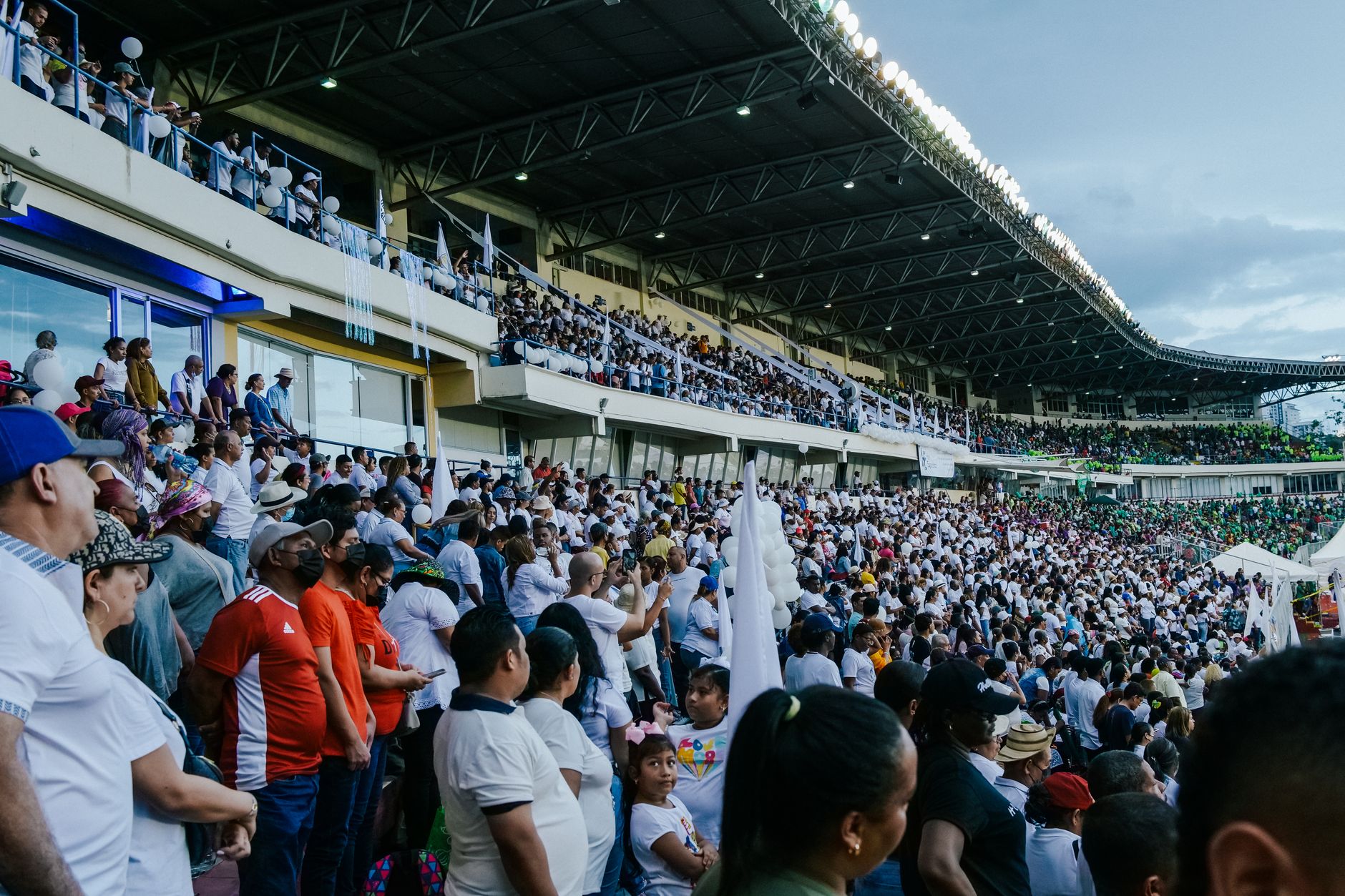
Beyond transportation, the World Cup provided a comprehensive stress test for security protocols and emergency response systems. Law enforcement agencies, in collaboration with federal partners, deployed advanced security measures, managing large crowds and responding to minor incidents, all while maintaining a visible yet unobtrusive presence. The coordination between various emergency services, including fire and medical personnel, was also under intense scrutiny. The lessons learned from these deployments, particularly regarding communication interoperability and rapid response times in dense urban environments, are directly shaping the security framework for the 2028 Olympics, aiming to create an environment that is both safe and welcoming for all participants.
Who Knew and When
The strategic decision to utilize the World Cup as a preparatory event for the 2028 Olympics was not an afterthought but a deliberate, long-term planning initiative. Discussions began almost immediately after Los Angeles secured the bid for the 2028 Games, with city officials, the LA28 organizing committee, and various stakeholders recognizing the unique synergy between hosting two major international events within a relatively short timeframe. This foresight allowed for the integration of Olympic planning objectives into the World Cup's operational design, ensuring that every aspect of the soccer tournament could serve a dual purpose.
From the outset, key city departments, including the Department of Transportation, the Los Angeles Police Department, and the Mayor's Office, were deeply involved in crafting a comprehensive observation and analysis framework for the World Cup. This framework detailed specific metrics to be tracked, areas of particular concern, and reporting mechanisms to ensure that all data collected would be actionable for 2028. Regular inter-agency meetings and workshops were held for years leading up to the World Cup, solidifying the understanding that this event was a critical stepping stone, not just a standalone competition.
Furthermore, the LA28 organizing committee actively engaged with international sporting bodies and past Olympic host cities to glean best practices for leveraging precursor events. They understood that the scale and complexity of the Olympics demanded a live, large-scale rehearsal, and the World Cup presented an unparalleled opportunity. This proactive approach, coupled with early and sustained communication across all levels of government and event management, ensured that everyone involved was aware of the World Cup's dual role as both a premier sporting event and a crucial 'dry run' for the grander spectacle of the Olympic Games.
Voices from the Ground
Local businesses, particularly those operating near the World Cup venues, experienced a significant surge in activity, offering a preview of the economic impact and operational challenges of the 2028 Olympics. Maria Rodriguez, owner of a popular taqueria near SoFi Stadium, noted, "We saw unprecedented crowds, especially on game days. It was a fantastic boost for business, but also a huge learning curve for staffing and inventory. We're already thinking about how to scale up even more for the Olympics, stocking extra supplies and training our team to handle even faster turnover." Her insights underscore the need for local businesses to proactively prepare for the massive influx of visitors, not just for revenue, but for operational resilience.
Public transportation users and local residents also shared their perspectives, highlighting both the successes and the pain points. "The Metro was surprisingly efficient on most days, considering the crowds," commented David Chen, a daily commuter who relied on public transit during the tournament. "However, there were specific choke points, especially around transfer stations, that became incredibly congested. For the Olympics, they'll need even more trains and clearer signage to manage the sheer volume." These observations are invaluable for fine-tuning public transit strategies, ensuring accessibility and efficiency for both residents and visitors during the 2028 Games.
Emergency responders, who were on high alert throughout the World Cup, provided critical feedback on the ground. Captain Sarah Miller of the LA Fire Department stated, "The World Cup allowed us to test our inter-agency communication and rapid deployment protocols in a real-world, high-stakes environment. We identified areas where our coordination was seamless and others where we could improve. This isn't just about responding to incidents; it's about prevention and having the right resources in the right place at the right time. The lessons from the World Cup are directly informing our strategic planning for the significantly larger scale of the Olympics." Their experiences are vital for strengthening the city's overall emergency preparedness.
The Debate
While the consensus among city officials and event organizers is overwhelmingly positive regarding the World Cup's utility as an Olympic dry run, a nuanced debate has emerged concerning the true scalability of these lessons. Proponents argue that the sheer volume of attendees and the global nature of the World Cup provided an almost perfect analogue for the Olympics, allowing for direct application of insights into logistics, security, and crowd management. They point to the successful deployment of new technologies for ticketing and security screening as proof that the systems can be scaled effectively for 2028. The argument is that any major event of this magnitude provides invaluable, irreplaceable real-world data that simulations simply cannot replicate, making the World Cup an undeniable asset.
However, critics contend that while valuable, the World Cup's scope, particularly in terms of geographical dispersion and the diversity of sporting events, pales in comparison to the multi-venue, multi-sport complexity of the Olympics. They highlight that the Olympics will involve dozens of venues spread across the entire metropolitan area, requiring far more intricate transportation networks and a significantly larger security footprint. Concerns are also raised about the differing fan demographics and behavioral patterns between a single-sport tournament and a multi-sport festival, suggesting that crowd dynamics observed during the World Cup might not fully translate to the Olympic environment. This perspective emphasizes that while a good start, the World Cup was merely a partial test.
Another facet of the debate revolves around the public's perception and cooperation. During the World Cup, residents were generally aware of the temporary disruptions and largely adapted. The question is whether this level of public tolerance can be sustained for the extended duration and broader impact of the Olympics. Some argue that the novelty of the World Cup might have masked underlying frustrations that could surface during the longer Olympic period. Conversely, others believe that the World Cup helped condition the city for major events, fostering a sense of civic pride and readiness that will carry over to 2028, making the public more amenable to the necessary adjustments. This ongoing discussion is crucial for developing robust public engagement strategies for the upcoming Games.
Your Questions Answered
What Accountability Looks Like
Accountability for leveraging the World Cup's lessons effectively for the 2028 Olympics rests primarily with the LA28 organizing committee, in close collaboration with the City of Los Angeles and various state and federal agencies. A dedicated task force has been established, comprising representatives from transportation, public safety, emergency services, and event management, specifically charged with analyzing World Cup data and translating it into actionable strategies for the Games. This task force operates under clear mandates and reporting structures, ensuring that insights are not merely collected but actively integrated into the Olympic master plan.
Key performance indicators (KPIs) are being developed to track the implementation of these lessons. For instance, improvements in public transit efficiency will be measured against World Cup benchmarks, and the effectiveness of new security protocols will be assessed through simulated drills and ongoing threat analyses. Regular progress reports will be submitted to city council, state oversight committees, and the International Olympic Committee, maintaining transparency and allowing for external scrutiny. This multi-layered accountability framework is designed to ensure that every identified area for improvement from the World Cup is systematically addressed and optimized for 2028.
Ultimately, the success of this accountability framework will be judged by the seamless execution of the 2028 Olympic Games. A well-managed, secure, and enjoyable experience for athletes, spectators, and residents will be the ultimate testament to how effectively the World Cup served as a 'great dry run.' Conversely, any significant operational failures or widespread public dissatisfaction would indicate a breakdown in the process of learning and adapting from the precursor event. The stakes are incredibly high, and the commitment to rigorous evaluation and continuous improvement is paramount to delivering a truly world-class Olympic experience.










Comments
No comments yet. Be the first to comment!