

The Story in Brief
- Arizona has implemented a landmark law requiring employers to provide and ensure the use of sun-protective hats for all outdoor workers, directly addressing the significant health risks associated with prolonged sun exposure.
- This legislative action is a direct response to the escalating rates of skin cancer and heat-related illnesses among the state's substantial outdoor workforce, including construction, agriculture, and service industry employees.
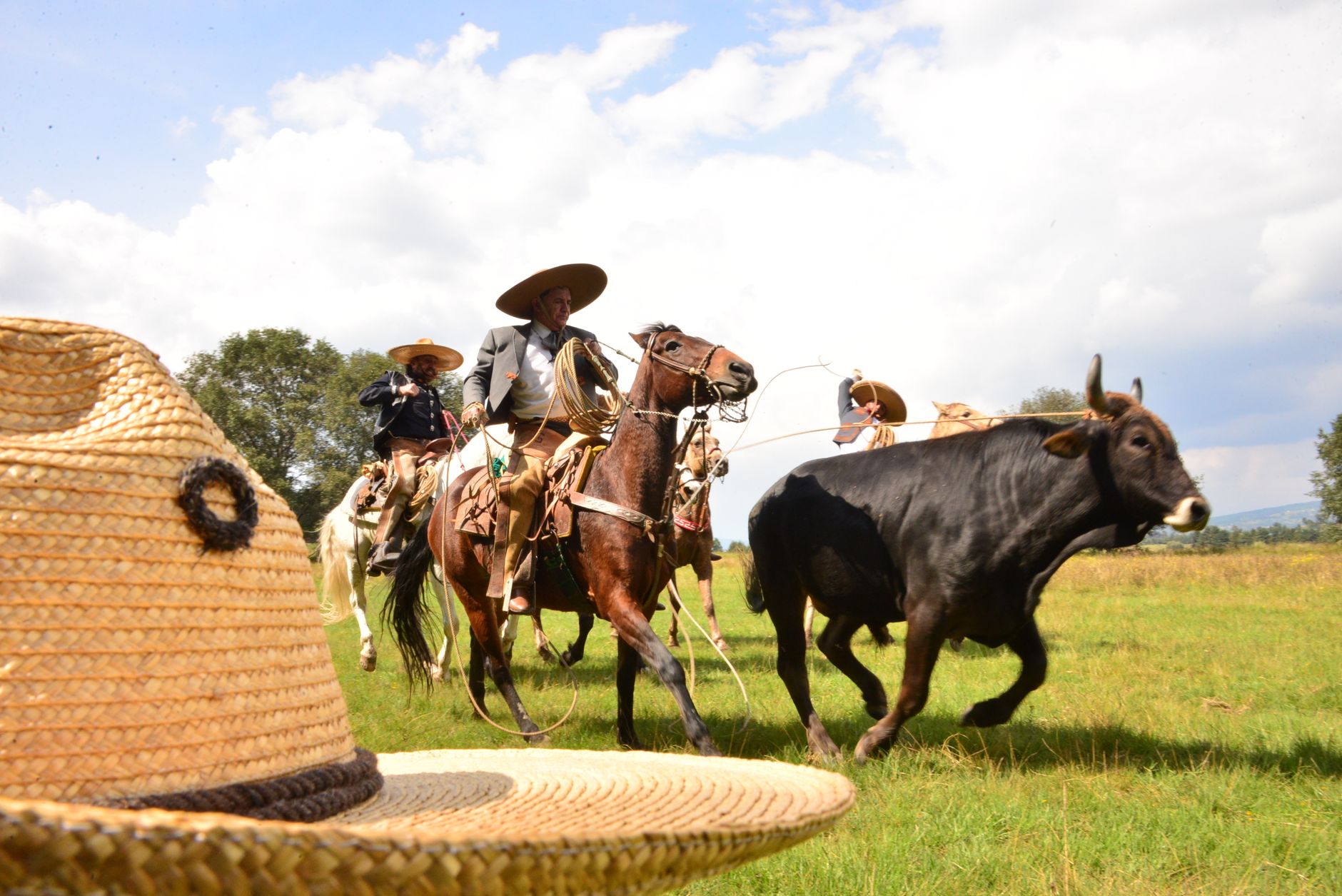
- The new mandate mandates that employers furnish wide-brimmed hats or other suitable head coverings and enforce their consistent wearing to shield workers from harmful UV radiation and prevent heatstroke.
- This policy represents a crucial shift towards proactive occupational health and safety, acknowledging the preventable nature of many sun-induced ailments and the employer's responsibility in mitigating these dangers.
- Beyond headwear, the legislation may also encompass guidelines for hydration and rest breaks in shaded areas, creating a more comprehensive approach to outdoor worker well-being in the intense Arizona climate.
- Enforcement mechanisms and potential penalties for non-compliance are being established, signaling the state's commitment to ensuring that this vital protection is not merely a suggestion but a legally binding requirement.
The Human Face
Maria Rodriguez, a landscaper working under the relentless Arizona sun for over a decade, has seen colleagues suffer from severe sunburns and pre-cancerous skin lesions. She often felt the sting of sunburn herself, her scalp and neck burning despite using sunscreen, which would sweat off quickly. The constant glare and heat made even simple tasks exhausting, and the fear of long-term skin damage, including melanoma, was a persistent, unspoken worry among her crew. This new law, mandating wide-brimmed hats, feels like a tangible acknowledgment of the risks they face daily, offering a much-needed layer of protection and a sense of being valued.
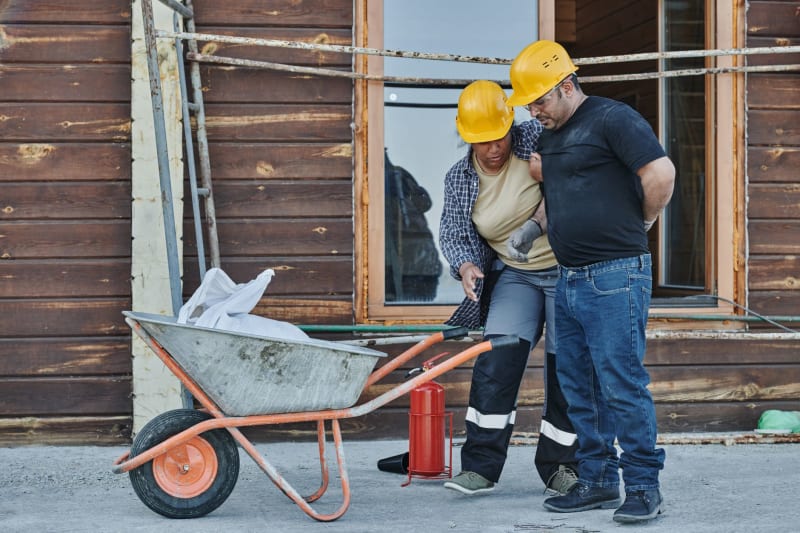
For construction worker David Chen, whose job involves long hours on exposed sites, the new mandate is a welcome relief. He recalls instances where heat exhaustion blurred his vision and made him dizzy, increasing the risk of accidents. While hydration was encouraged, the direct sun beating down on his head was a constant, oppressive force. The requirement for sun hats means a direct reduction in solar heat gain on his head and face, potentially mitigating heat stress and improving his ability to focus on safety-critical tasks. This isn't just about comfort; it's about reducing the physical toll of his demanding profession and preventing debilitating heat-related illnesses that could sideline him indefinitely.
Farm laborers, often working from dawn till dusk in fields with minimal shade, are particularly vulnerable. Many hail from immigrant communities, facing language barriers and limited access to healthcare, making preventative measures even more critical. The new Arizona law extends protection to them, ensuring that employers provide headgear that can significantly reduce UV exposure and the risk of heatstroke. This policy offers a beacon of hope, promising not only better physical health but also a recognition of their essential contributions to the state's economy, ensuring they are not left to bear the brunt of occupational hazards alone.
How We Got Here
The journey to Arizona's new sun protection mandate was paved by years of advocacy from labor unions, public health organizations, and concerned workers themselves. These groups consistently highlighted the alarming statistics linking prolonged sun exposure to increased rates of skin cancer, particularly melanoma, and heat-related fatalities among outdoor laborers. They presented evidence showing that simple protective measures, like wide-brimmed hats, could drastically reduce these risks, yet many employers failed to implement such basic safeguards, often citing cost or perceived inconvenience.
Legislative efforts in the past often stalled due to opposition from business lobbies, who raised concerns about the financial burden of compliance and potential impacts on productivity. However, a growing body of scientific research demonstrating the long-term economic costs of untreated occupational heat illness and skin cancer—including healthcare expenses and lost workdays—began to shift the narrative. Public awareness campaigns also played a crucial role, bringing the plight of outdoor workers into the spotlight and fostering greater public support for protective legislation.
The final push for the law gained momentum following several high-profile incidents involving severe heatstroke and skin cancer diagnoses among outdoor workers in Arizona. These tragic events underscored the urgency of the situation and galvanized lawmakers to act decisively. The bill, when finally introduced, garnered bipartisan support, reflecting a shared understanding that protecting the health and safety of the state's essential workforce is a fundamental responsibility that transcends political divides.
Why This Cannot Be Ignored
The health implications of neglecting sun protection for outdoor workers are severe and far-reaching, extending beyond immediate discomfort. Prolonged exposure to ultraviolet (UV) radiation is a primary cause of all major types of skin cancer, including basal cell carcinoma, squamous cell carcinoma, and the deadliest form, melanoma. These conditions not only lead to disfigurement and extensive medical treatment but also result in significant mortality rates. For individuals working outdoors daily, the cumulative damage from UV rays exponentially increases their lifetime risk, turning a job into a potential health crisis.
Beyond cancer, intense sun exposure and high temperatures contribute significantly to heat-related illnesses, such as heat exhaustion and the life-threatening condition of heatstroke. These ailments can impair cognitive function, leading to accidents and injuries on the job. The physical toll on workers is immense, affecting their long-term health, reducing their earning capacity, and placing a substantial burden on healthcare systems. Ignoring these risks means accepting preventable suffering and premature death as an occupational hazard, which is ethically and economically unsustainable.
Economically, the cost of inaction is substantial. Untreated skin cancers require costly medical interventions, including surgeries, radiation, and chemotherapy. Lost workdays due to illness, reduced productivity from heat stress, and potential workers' compensation claims all represent significant financial drains on businesses and the economy. Investing in preventative measures like sun hats is not merely an expense; it is a cost-effective strategy that safeguards the workforce, reduces long-term healthcare expenditures, and ensures the continued productivity of essential industries.
Possible Paths Forward
The successful implementation of Arizona's sun hat mandate hinges on robust employer education and accessible resources. Providing clear guidelines on appropriate headwear specifications—such as brim width and material for optimal UV protection—is crucial. Furthermore, offering training sessions for supervisors and workers on the importance of sun safety, proper hat usage, and recognizing early signs of heat-related illness will empower individuals to protect themselves effectively. Making compliance straightforward and affordable for businesses, perhaps through tax incentives or bulk purchasing programs for certified protective gear, will encourage widespread adoption.
Expanding this protective framework to include other essential elements of heat and UV safety is a logical next step. This could involve mandating shaded rest areas, ensuring adequate access to cool drinking water, and establishing clear protocols for work-rest cycles during periods of extreme heat. Integrating these measures into a comprehensive heat illness prevention plan, aligned with guidelines from organizations like OSHA, would create a holistic safety net for outdoor workers, addressing multiple facets of occupational risk.
The long-term success of such policies requires ongoing monitoring, evaluation, and adaptation. Collecting data on compliance rates, incident reports related to heat illness and skin cancer, and worker feedback will be vital. This information can inform future policy adjustments, identify areas needing further attention, and ensure that the regulations remain effective and relevant in protecting the health of Arizona's outdoor workforce against the persistent threats of the sun.
Questions People Are Actually Asking
What to Watch
- Monitor the specific guidelines and enforcement strategies rolled out by Arizona's Occupational Safety and Health Administration (AZ OSHA) or equivalent body regarding hat specifications and compliance checks.
- Track the number of reported heat-related illnesses and new skin cancer diagnoses among outdoor workers in Arizona following the law's implementation to assess its impact.
- Observe how businesses, particularly small businesses in sectors like agriculture and construction, adapt to the new requirements and whether any support programs are established to ease the transition.
- Look for potential legal challenges or interpretations of the law that could refine its scope or application in specific industries or work environments within the state.
- Pay attention to whether neighboring states or other regions with significant outdoor workforces consider similar legislation in response to Arizona's proactive measure.
- Assess the long-term health outcomes for outdoor workers, including reduced rates of skin cancer and improved management of heat stress, as data becomes available over the coming years.














Comments
No comments yet. Be the first to comment!