

Policy Snapshot
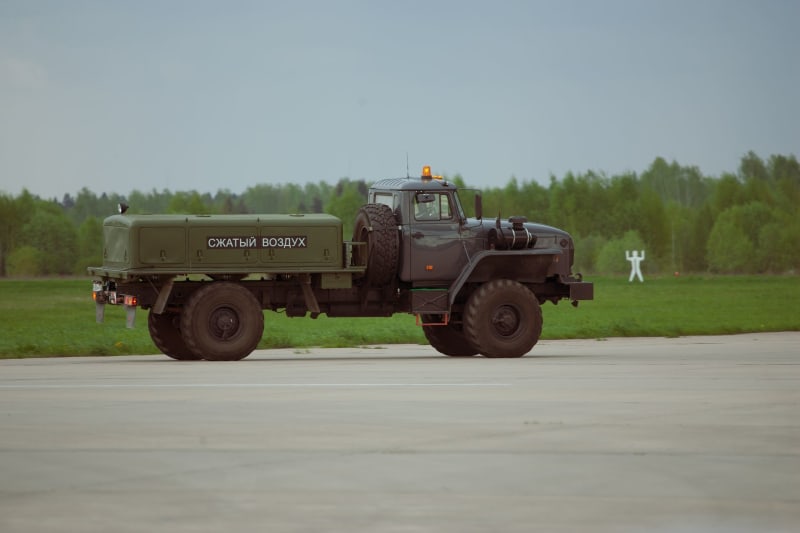
- Bulgaria's National Assembly has officially voted to cease all direct military and technical assistance to Ukraine, marking a significant departure from previous commitments and signaling a new national security stance.
- This decision follows months of internal debate and political maneuvering, reflecting a divided public opinion and a desire within certain political factions to de-escalate involvement in the ongoing conflict.
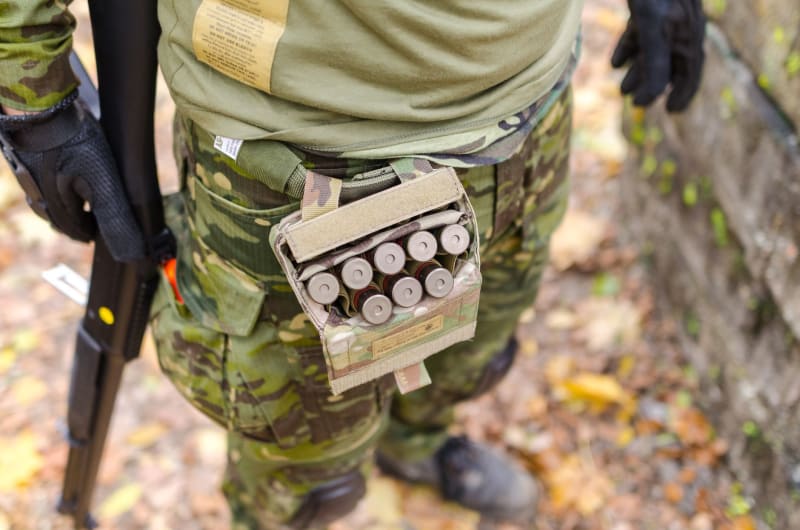
- The halt impacts all forms of military aid, including the provision of ammunition, weaponry, and spare parts, effectively closing the door on future direct support from Sofia to Kyiv's defense efforts.
- This policy shift could have substantial implications for Ukraine's ability to sustain its defense capabilities, particularly concerning the supply of specific types of munitions and equipment that Bulgaria may possess.
- The Bulgarian government has stated that while direct military aid is suspended, humanitarian and financial assistance to Ukraine will continue, aiming to maintain a supportive relationship without direct military entanglement.
- This move places Bulgaria at odds with several other European Union and NATO members who are actively increasing their military support for Ukraine, potentially creating diplomatic friction within these alliances.
The Policy History
For over a year following Russia's full-scale invasion of Ukraine, Bulgaria found itself navigating a complex geopolitical landscape, balancing its NATO and EU commitments with domestic political divisions regarding military aid. Initially, under the caretaker government, there was a reluctance to provide direct lethal aid, a stance that reflected significant public apprehension and the influence of pro-Russian sentiment within parts of the population and political spectrum. This period was characterized by internal consultations and a cautious approach, as Sofia weighed the potential repercussions of direct military involvement against its international obligations and the perceived risks of escalation.
The situation began to evolve with the formation of a new coalition government committed to a more pro-Western orientation. This administration signaled a potential shift, indicating a willingness to consider providing military assistance to Ukraine. Debates within the parliament became intense, with proponents arguing that supporting Ukraine was crucial for European security and upholding international law, while opponents voiced concerns about depleting Bulgaria's own defense stocks, the risk of provoking Russia, and the financial burden. This internal struggle highlighted the deep societal divisions on the conflict and Bulgaria's role within it, making any decision on military aid a politically charged undertaking.
Ultimately, the decision to halt all weapon shipments represents a culmination of these protracted debates and a significant political victory for factions advocating for a non-interventionist military policy. It marks a decisive pivot away from the trajectory that several other European nations have taken, prioritizing national security concerns and domestic priorities over direct military support to a warring nation. The vote in the National Assembly was not merely a policy decision but a reflection of the prevailing political winds and the government's interpretation of its mandate, signaling a clear boundary on Bulgaria's involvement in the conflict.
Who Is Affected
The most immediate and direct impact of Bulgaria's decision falls upon Ukraine's armed forces. The cessation of weapon and ammunition shipments, regardless of their scale, represents a loss of potential resources that could have bolstered Ukraine's defensive and offensive capabilities. While Bulgaria may not have been the largest supplier, every contribution counts in a protracted conflict where supply lines and resource availability are critical factors. This halt could affect Ukraine's ability to maintain specific types of equipment or replenish stocks of certain munitions, forcing Kyiv to seek alternative sources or adapt its strategies accordingly, potentially impacting morale and operational readiness.
Beyond Ukraine, the decision reverberates within the European Union and NATO. Bulgaria's move deviates from the unified front that many member states have strived to present in supporting Ukraine. This divergence could create diplomatic complexities, potentially weakening the collective resolve and signaling a fissure in the alliance's approach to the conflict. Other nations actively providing aid may question the reliability of future collective actions or face increased pressure to compensate for the shortfall, while Bulgaria's standing within these organizations might be re-evaluated, impacting its influence on broader security policy.
Domestically, Bulgarian citizens are affected by the political and economic implications of this decision. While some may welcome the move as a prudent step to avoid entanglement and conserve national resources, others may view it as a betrayal of European solidarity and a missed opportunity to contribute to regional stability. The decision also impacts the Bulgarian defense industry, which might have benefited from lucrative contracts, and influences the national discourse on foreign policy, security, and Bulgaria's identity on the international stage. The debate over this policy will likely continue to shape domestic politics for the foreseeable future.
The Case For Halting Aid
Proponents of halting military aid emphasize Bulgaria's national security interests and the need to preserve its own defense capabilities. They argue that depleting the country's military stockpiles to support a foreign conflict could leave Bulgaria vulnerable in an increasingly unstable geopolitical environment. This perspective prioritizes ensuring that Bulgaria's armed forces are adequately equipped and ready to defend its own territory and sovereignty, especially given the proximity to the ongoing war in Ukraine and potential spillover risks. The argument is rooted in a pragmatic assessment of national priorities and a cautious approach to foreign entanglements.
Another significant argument centers on the desire to avoid direct escalation and maintain neutrality in the conflict. Supporters of the halt believe that providing weapons directly fuels the war, prolongs the suffering, and increases the risk of Bulgaria being drawn into a wider confrontation with Russia. They advocate for a diplomatic rather than military solution and see halting aid as a way to de-escalate tensions and position Bulgaria as a mediator rather than a participant. This viewpoint often reflects a deep-seated aversion to war and a belief that Bulgaria's resources are better spent on humanitarian aid and reconstruction efforts.
Furthermore, economic considerations play a crucial role in the rationale for halting aid. Opponents of military assistance point to the significant financial cost involved in supplying weapons and ammunition, arguing that these funds could be better allocated to pressing domestic needs such as healthcare, education, infrastructure, or energy security. They contend that Bulgaria's economy, already facing challenges, cannot sustain extensive military aid without compromising essential public services. This perspective frames the decision as a responsible fiscal choice that prioritizes the well-being of Bulgarian citizens.
The Case Against Halting Aid
Critics of the decision argue that halting military aid undermines Bulgaria's credibility and commitment to its international alliances, particularly NATO and the European Union. They contend that a unified stance against Russian aggression is crucial for collective security and that Bulgaria's withdrawal from providing military support weakens this front. This perspective emphasizes that supporting Ukraine is not just about aiding a partner nation but about defending the principles of sovereignty, territorial integrity, and international law, which are fundamental to European stability and security. Failure to act decisively, they warn, could embolden further aggression.
Another strong argument against the halt is the potential long-term strategic consequences for Bulgaria's own security. By not supporting Ukraine, critics argue, Bulgaria risks alienating key allies whose support might be needed in the future. They believe that a Russian victory in Ukraine would pose a direct threat to Bulgaria's security and stability in the long run, making the current support for Ukraine a necessary investment in preventing future dangers. This viewpoint suggests that the immediate cost of aid is less significant than the potential future cost of inaction or a weakened alliance.
Furthermore, opponents highlight the moral and ethical imperative to assist a nation under attack. They argue that providing military aid is a humanitarian necessity, enabling Ukraine to defend itself against an unprovoked invasion and reduce civilian casualties. This perspective frames the conflict as a clear case of aggressor versus victim, and argues that neutrality or non-assistance in such a situation is tantamount to complicity. The decision is seen by many as a failure to uphold fundamental human values and international norms, potentially damaging Bulgaria's reputation as a responsible member of the international community.
Policy Questions Answered
Implementation Watch
The practical implementation of Bulgaria's decision to halt all weapon shipments requires meticulous oversight to ensure full compliance across all state institutions and potentially private entities involved in defense exports. This involves reinforcing existing export control mechanisms and potentially enacting new regulations or directives to prevent any circumvention of the parliamentary vote. The Ministry of Defense and the Ministry of Economy and Industry will be key players in monitoring adherence, scrutinizing all requests for military-related exports, and ensuring that no loopholes are exploited to continue supplying arms to Ukraine, directly or indirectly.
International observers and Ukraine itself will be closely watching Bulgaria's actions to verify the complete cessation of military aid. Any deviation from the stated policy, whether intentional or accidental, could have significant diplomatic repercussions and undermine trust among allies. Ensuring transparency in this process will be crucial; however, the sensitive nature of military logistics and defense industries often necessitates a degree of confidentiality, creating a delicate balance between accountability and operational security. The effectiveness of the implementation will ultimately be measured by the tangible absence of Bulgarian military supplies reaching Ukrainian forces.
The long-term implications for Bulgaria's defense industry also warrant attention. Companies that may have been involved in supplying Ukraine could face shifts in their business models, potentially seeking new markets or focusing on domestic defense needs. The government's role in managing this transition, perhaps through incentives or strategic guidance, will be important. Moreover, the decision might influence future defense procurement and strategic partnerships, as Bulgaria recalibrates its defense posture in light of its revised policy on military assistance to conflict zones.













Comments
No comments yet. Be the first to comment!