

Policy Snapshot
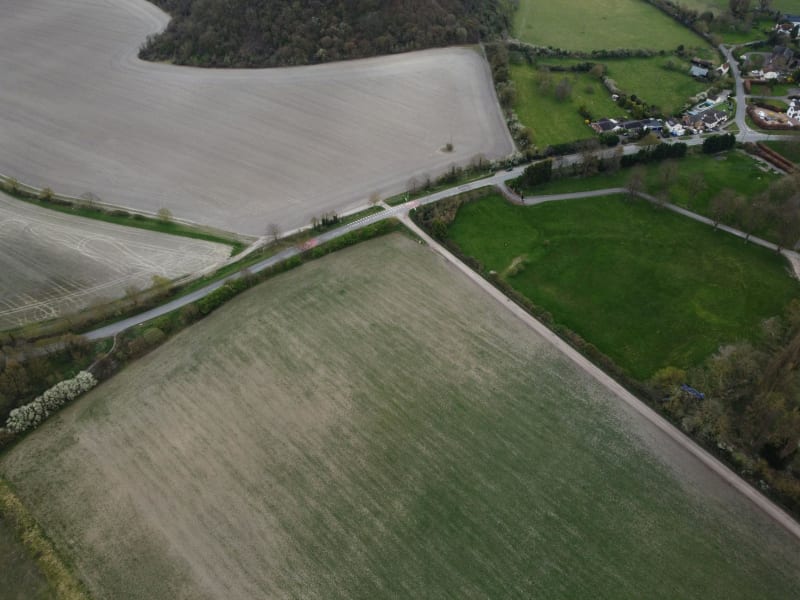
- A public hearing has been officially scheduled to deliberate on the proposed sale of land designated for the Chapin Technology Park, marking a critical juncture in the town's economic development strategy.
- The council is considering a land sale agreement that could significantly alter the future trajectory of technological and commercial investment within the Chapin area, requiring thorough public input.
- This hearing provides an essential platform for residents, business owners, and concerned citizens to voice their opinions, ask pertinent questions, and understand the full scope of the proposed land transaction.
- Key considerations during the hearing will likely include the economic benefits versus potential environmental impacts, the long-term vision for the technology park, and the specific terms of the land sale agreement.
- The outcome of this deliberation could pave the way for new job creation and business growth, or it could lead to alternative development paths if the proposal is modified or rejected by the council.
- Community members are strongly encouraged to attend the hearing to ensure their perspectives are heard and considered before any final decisions are rendered by the Chapin Town Council regarding this significant land disposition.
The Policy History
The initiative to establish a dedicated Technology Park in Chapin has been a subject of discussion for several years, stemming from a recognized need to diversify the local economy beyond traditional sectors. Early proposals envisioned a hub for innovation, attracting businesses in fields such as software development, advanced manufacturing, and biotechnology. The town council has consistently expressed a desire to foster economic growth and create high-paying jobs for its residents, viewing a technology park as a strategic vehicle to achieve these objectives. Initial feasibility studies explored various potential sites, assessing factors like infrastructure access, zoning regulations, and proximity to skilled labor pools. The current parcel under consideration represents a culmination of these efforts, identified as the most suitable location based on its strategic advantages and development potential.
Over time, the vision for the Chapin Technology Park has evolved, adapting to changing economic landscapes and community feedback. Several iterations of the master plan have been drafted, each attempting to balance the goals of attracting cutting-edge industries with preserving the town's character and environmental quality. Public forums and workshops were held during the earlier stages, gathering input on desired business types, infrastructure needs, and concerns about potential impacts on traffic and local services. These consultations informed the subsequent planning phases, leading to the current proposal which aims to create a modern, sustainable, and attractive environment for technology-focused enterprises. The town has also explored various funding mechanisms, including potential public-private partnerships and state or federal grants, to support the development of the park's infrastructure.
The decision to proceed with a land sale is a significant step, moving from the planning and conceptualization phase to the tangible implementation of the technology park. This particular land parcel has been identified through extensive due diligence as the prime candidate for development, offering ample space and strategic positioning. The town has invested considerable resources in preliminary assessments, including environmental impact studies and infrastructure readiness evaluations, to ensure the site is viable for commercial development. The current proposal represents the council's commitment to bringing the technology park concept to fruition, believing it will serve as a catalyst for substantial economic advancement and community prosperity in the coming decades. The terms of the proposed sale are now the central focus of public attention.
Who Is Affected
The residents of Chapin stand to be profoundly affected by the proposed land sale and subsequent development of the technology park. On one hand, the creation of new jobs in high-growth sectors could offer significant employment opportunities for local individuals, potentially reducing commutes and boosting household incomes. Families may benefit from increased tax revenues that could fund improvements in schools, public services, and infrastructure. However, residents also face potential impacts such as increased traffic congestion on local roads, greater demand on utilities, and possible changes to the town's overall character and environment. Concerns about noise pollution, light pollution, and the preservation of green spaces are also paramount for those living in proximity to the proposed site.
Local businesses, both existing and potential new ventures, will also experience the ripple effects of this decision. Established businesses might see an influx of new customers and potential partnerships with companies locating in the technology park. Conversely, some businesses might face increased competition for resources or labor. Entrepreneurs looking to start new ventures may find a more dynamic economic environment, but also potentially higher operating costs or a more competitive market. The success of the technology park could also influence commercial real estate values and rental rates throughout Chapin, impacting the affordability and accessibility for small businesses seeking a physical presence.
Furthermore, the town council and municipal employees are directly impacted, as they will be responsible for overseeing the land sale, managing the development process, and addressing any ensuing community concerns. Future town planning and budgeting will likely be shaped by the economic activity generated by the park. Environmental advocacy groups and conservation organizations will be closely monitoring the development to ensure adherence to environmental regulations and to advocate for the protection of natural resources. Their involvement is crucial in balancing economic progress with ecological stewardship, ensuring that the development proceeds responsibly and sustainably.
The Case For
Proponents of the Chapin Technology Park land sale emphasize the transformative potential for economic revitalization and job creation. They argue that attracting technology-focused companies will diversify the local economy, making it more resilient to fluctuations in traditional industries. This diversification is expected to lead to a significant increase in high-skilled, well-paying jobs, offering residents better career prospects without the need to commute long distances. The influx of new businesses is also anticipated to broaden the tax base, generating substantial revenue that can be reinvested into essential public services such as schools, roads, emergency services, and recreational facilities, thereby improving the quality of life for all residents.
The development is seen as a strategic move to position Chapin as a forward-thinking community, capable of competing in the modern economy. By fostering an environment conducive to innovation and technological advancement, the town can attract a younger, skilled workforce and retain its own graduates. This can create a virtuous cycle of growth, where a vibrant business community supports educational institutions, which in turn supply talent for the businesses. Furthermore, the creation of a technology park often spurs ancillary development, such as new retail, dining, and housing options, creating a more dynamic and attractive town center and potentially increasing property values over the long term.
Supporters also highlight the potential for increased collaboration between businesses, educational institutions, and the local government, leading to synergistic opportunities for research, development, and community projects. The land sale itself is viewed as a fiscally responsible step, potentially providing immediate capital for the town while securing a long-term economic engine. They contend that careful planning and modern infrastructure development can mitigate potential negative impacts, ensuring that the park integrates seamlessly into the community and contributes positively to its overall well-being and future prosperity.
The Case Against
Opponents of the proposed land sale raise significant concerns regarding the potential negative impacts on the environment and community character. They argue that developing the designated land, which may include valuable green spaces or ecologically sensitive areas, could lead to habitat destruction, increased pollution, and strain on local water resources. The projected increase in traffic congestion due to new businesses and employees commuting to the park could overwhelm existing road infrastructure, leading to longer travel times, increased noise, and safety hazards for pedestrians and cyclists. Furthermore, the scale of development might fundamentally alter the small-town feel that many residents cherish, leading to a loss of community identity.
Concerns are also voiced about the potential for the promised economic benefits to be overstated or to disproportionately benefit external developers and corporations rather than long-term Chapin residents. Critics question whether the jobs created will truly be accessible to the local workforce without significant retraining, and whether the tax revenue generated will adequately offset the increased demand on municipal services like police, fire, and sanitation. There is also apprehension that the type of businesses attracted might not align with the community's values or could lead to gentrification, displacing existing residents and small businesses due to rising living costs.
Some residents and groups advocate for alternative uses of the land or a slower, more controlled approach to development that prioritizes sustainability and community well-being over rapid economic expansion. They may propose preserving the land as a park, using it for smaller-scale, community-focused projects, or ensuring that any development adheres to stricter environmental and aesthetic guidelines. The lack of transparency or sufficient public consultation in the past phases of the project is also a point of contention, fueling distrust and a desire for greater community control over significant land use decisions.

Policy Questions Answered
Implementation Watch
The upcoming public hearing represents a critical checkpoint in the Chapin Technology Park land sale process. It is the primary forum for the town council to gather direct feedback from the community regarding the proposed transaction. All submitted comments, whether spoken at the hearing or provided in writing, will be documented and considered by the council as they weigh the potential benefits against the perceived risks and drawbacks. The council's responsibility extends beyond merely facilitating the sale; it involves ensuring the decision aligns with the long-term strategic vision for Chapin's economic health and resident well-being.
Following the hearing, the council will engage in internal discussions to synthesize the diverse viewpoints expressed. This phase is crucial for identifying areas of consensus and significant points of contention that may require further investigation or negotiation with potential developers. The specifics of the land sale agreement, including pricing, development timelines, and any conditional clauses, will be meticulously scrutinized. Any amendments or conditions proposed by the council will need to be clearly communicated, potentially leading to further rounds of consultation if substantial changes are made to the original proposal.
The ultimate approval or rejection of the land sale will set the stage for the next phase of the technology park's development. If approved, the focus will shift to site preparation, infrastructure installation, and the attraction of anchor tenants. Continuous monitoring by community groups and residents will be essential to ensure that any subsequent development adheres to agreed-upon environmental standards, zoning regulations, and community benefit agreements. Transparency throughout this implementation process will be key to maintaining public trust and ensuring the project serves the best interests of Chapin.















Comments
No comments yet. Be the first to comment!