
What We Know
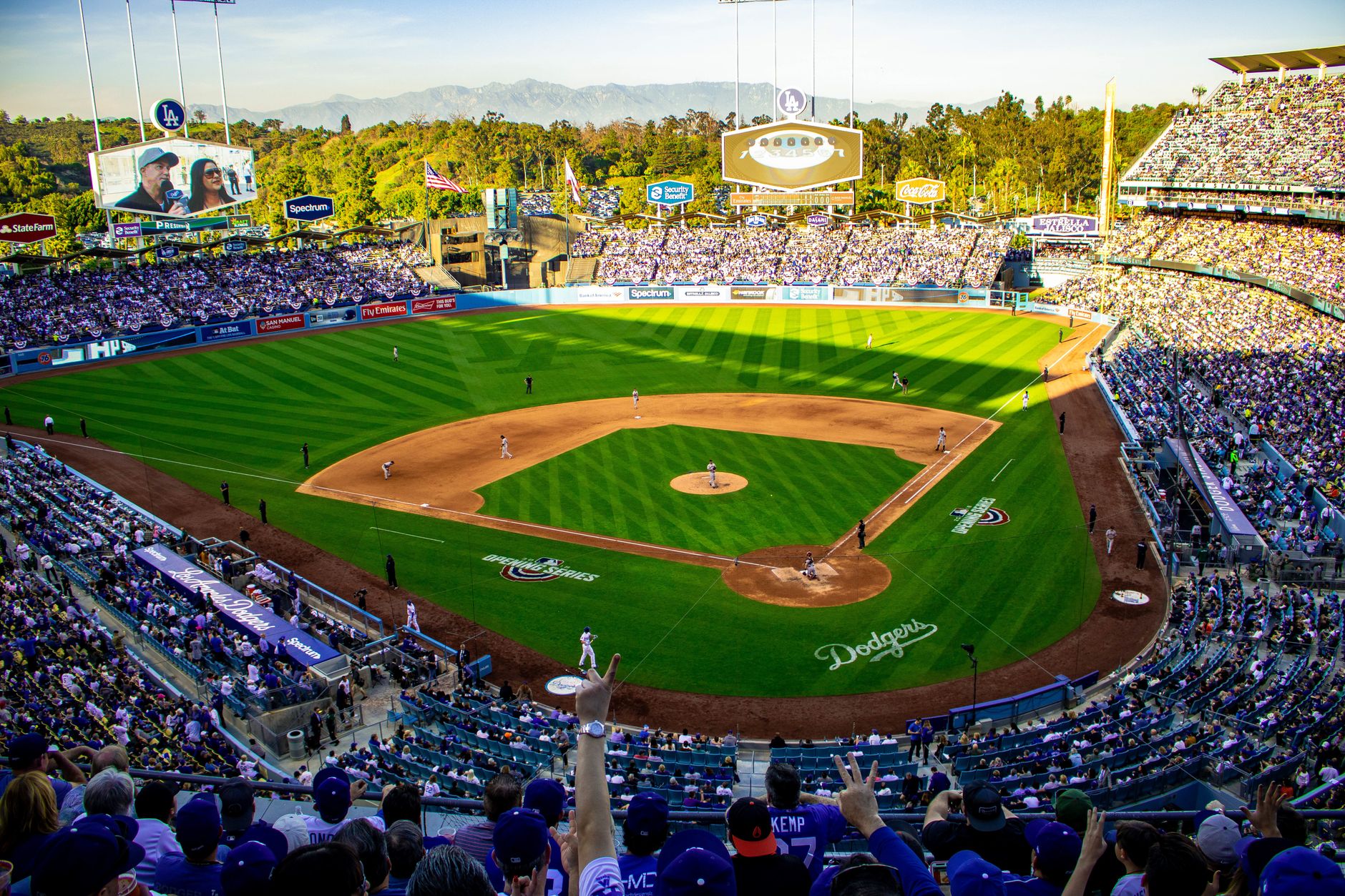
- The Los Angeles Dodgers officially unveiled a significant new mural on the outfield wall at Dodger Stadium during their annual Pride Night celebration, honoring two pivotal figures in baseball's LGBTQ+ history.
- The mural prominently features Glenn Burke, the first openly gay MLB player, and Billy Bean, who came out publicly years after his playing career and is now MLB's first Vice President for Inclusion.
- This artistic tribute serves as a powerful symbol of the Dodgers' commitment to diversity, equity, and inclusion, recognizing the contributions of LGBTQ+ individuals to the sport of baseball.
- The unveiling took place amidst a festive atmosphere on Pride Night, an event dedicated to celebrating and supporting the LGBTQ+ community, further amplifying the significance of the mural's debut.
- Both Burke and Bean faced unique challenges during their time in baseball, navigating a sport and society that were often less accepting of LGBTQ+ identities, making their recognition even more impactful.
- The artwork itself is designed to be visually striking and enduring, intended to serve as a permanent reminder of these pioneers and their courage in a historically challenging environment.
Background
Glenn Burke, a talented outfielder known for his charisma and flair, played for the Dodgers and later the Oakland Athletics in the late 1970s. He was the first MLB player to openly acknowledge his homosexuality while still an active player, a bold move in an era where such openness was virtually unheard of and often met with severe repercussions. Burke's journey in baseball was marked by both his undeniable skill on the field and the quiet struggles he faced off it, trying to reconcile his identity with the expectations of professional sports. His brief but impactful career left an indelible mark, paving the way for future conversations about identity and acceptance within the league, even though the full impact of his courage was not widely appreciated until years later.
Billy Bean’s path to recognition was different but equally significant. A utility player who spent parts of eight seasons in MLB with the Detroit Tigers, San Diego Padres, and Los Angeles Dodgers, Bean initially kept his sexual orientation private throughout his playing career. It wasn't until 2014, over a decade after his retirement, that he publicly came out as gay. This decision was spurred by his desire to live authentically and to support others facing similar challenges. His subsequent appointment as MLB's first Vice President for Inclusion marked a monumental step forward for the league, demonstrating a tangible commitment to fostering a more welcoming environment for all, regardless of sexual orientation or gender identity.
The decision by the Dodgers to commission and unveil this mural on Pride Night is a deliberate and symbolic act. It places Burke and Bean's stories within the broader context of LGBTQ+ rights and visibility, a movement that has gained significant momentum in recent decades. By dedicating this prominent space at Dodger Stadium to these two figures, the team acknowledges the historical struggles faced by LGBTQ+ athletes and celebrates the progress made towards greater acceptance. This initiative goes beyond a simple artistic display; it represents an institutional endorsement of inclusivity and a public statement about the values the Dodgers aim to uphold, resonating deeply with fans and the wider community.
Why It Matters
The unveiling of the Glenn Burke and Billy Bean mural is more than just an artistic installation; it's a potent symbol of progress and inclusion within professional sports, an arena historically perceived as resistant to LGBTQ+ visibility. For current and future LGBTQ+ athletes, seeing such prominent recognition at a major league ballpark offers validation and inspiration, signaling that their identities are not only accepted but celebrated. This act by the Dodgers challenges lingering stereotypes and contributes to a broader cultural shift where diversity is increasingly valued, demonstrating that athletic achievement and personal identity can coexist and thrive without compromise. The mural serves as a constant reminder that the path to inclusivity is ongoing and requires visible commitment.
Furthermore, this tribute directly addresses the historical erasure and marginalization faced by LGBTQ+ individuals in sports. Glenn Burke's courageous decision to be openly gay while playing, despite the immense pressure and potential backlash, was groundbreaking but often went unacknowledged by the league at the time. Billy Bean's later coming out and subsequent role in MLB's inclusion efforts highlight the evolving landscape and the importance of allies and institutional change. By honoring both, the Dodgers acknowledge different eras of struggle and progress, ensuring that these vital stories are not forgotten and are instead woven into the fabric of baseball history for generations to come.
The timing of the mural's reveal on Pride Night amplifies its message significantly. It aligns the Dodgers' commitment with a global celebration of LGBTQ+ pride, community, and resilience. This strategic placement ensures the tribute reaches a wide audience, sparking conversations about diversity, acceptance, and the role of sports in social progress. For fans attending the game, especially those from the LGBTQ+ community, it offers a sense of belonging and affirmation, making Dodger Stadium a more welcoming space. It underscores that baseball, like society, is evolving and becoming more representative of the diverse world we live in.
Timeline of Events
- Late 1970s: Glenn Burke plays for the Los Angeles Dodgers and Oakland Athletics, becoming the first MLB player to be openly gay while active.
- Post-Playing Career: Burke faces challenges and struggles with acceptance, his pioneering status not fully recognized during his lifetime.
- 1980s-1990s: Billy Bean plays in Major League Baseball for teams including the Detroit Tigers, San Diego Padres, and Los Angeles Dodgers, keeping his sexual orientation private.
- 2014: Billy Bean publicly comes out as gay, over a decade after his retirement from professional baseball, initiating a new phase of his advocacy.
- Post-2014: Bean becomes a prominent advocate for LGBTQ+ inclusion in sports and is appointed MLB's first Vice President for Inclusion.
- Recent Period: The Los Angeles Dodgers conceptualize and commission a mural to honor both Glenn Burke and Billy Bean, recognizing their significant contributions and impact.
- Pride Night [Date]: The Dodgers officially unveil the mural at Dodger Stadium, celebrating the legacies of Burke and Bean during their annual Pride Night event.
Rapid-Fire Q&A
What Is Coming
- Increased visibility for LGBTQ+ advocacy within Major League Baseball, potentially inspiring other teams to create similar tributes or support related initiatives.
- Further dialogue and educational programs within baseball organizations focused on LGBTQ+ history, inclusion, and the importance of creating safe spaces for all athletes.
- Potential for more diverse representation in baseball-related media, storytelling, and historical retrospectives, ensuring figures like Burke and Bean receive ongoing recognition.
- Enhanced fan engagement and community outreach programs by the Dodgers and MLB, aimed at strengthening connections with the LGBTQ+ community and promoting allyship.
- A continued push for inclusive policies and practices across all levels of baseball, ensuring that future generations of LGBTQ+ players and staff feel fully supported and valued.
- The mural is expected to become a significant landmark at Dodger Stadium, drawing attention and fostering conversations about LGBTQ+ history and its intersection with sports for years to come.







Comments
No comments yet. Be the first to comment!