

Key Takeaways
- The Los Angeles Dodgers, as the reigning World Series champions, have not yet secured a confirmed date for their traditional White House visit.
- This prolonged delay deviates from the typical timeline for such celebratory events, leaving the exact timing of the visit uncertain.
- The absence of a scheduled date raises questions about the logistical planning and potential scheduling conflicts that might be influencing this delay.
- While the visit is a customary honor for championship teams, the current lack of a firm commitment from the White House is notable.
- Fans and the organization are keenly awaiting official confirmation, as the visit represents a significant moment of national recognition for their athletic achievement.
- The specific reasons behind the postponement or lack of scheduling have not been publicly disclosed, contributing to the ongoing speculation.
Background
Historically, the practice of championship sports teams visiting the White House has been a long-standing tradition, serving as a moment of national recognition and celebration. Following a World Series victory, it is customary for the winning team to be invited to the White House to be honored by the President. This event typically occurs within a few months of the championship win, allowing for the coordination of schedules for both the team and the executive branch. The visit often includes a ceremony on the South Lawn, where the President commends the team's achievements, presents a commemorative plaque, and engages with players and staff. It's a symbolic gesture that bridges athletic accomplishment with national pride, offering a unique platform for the team to be acknowledged on a grand stage. This tradition has been upheld across multiple presidential administrations, regardless of political affiliation, underscoring its significance as a bipartisan acknowledgment of sporting excellence. The Dodgers, having recently clinched the World Series title, are the latest team to anticipate this esteemed honor, a moment eagerly awaited by players, management, and their dedicated fanbase alike, signifying the culmination of their hard-fought season.
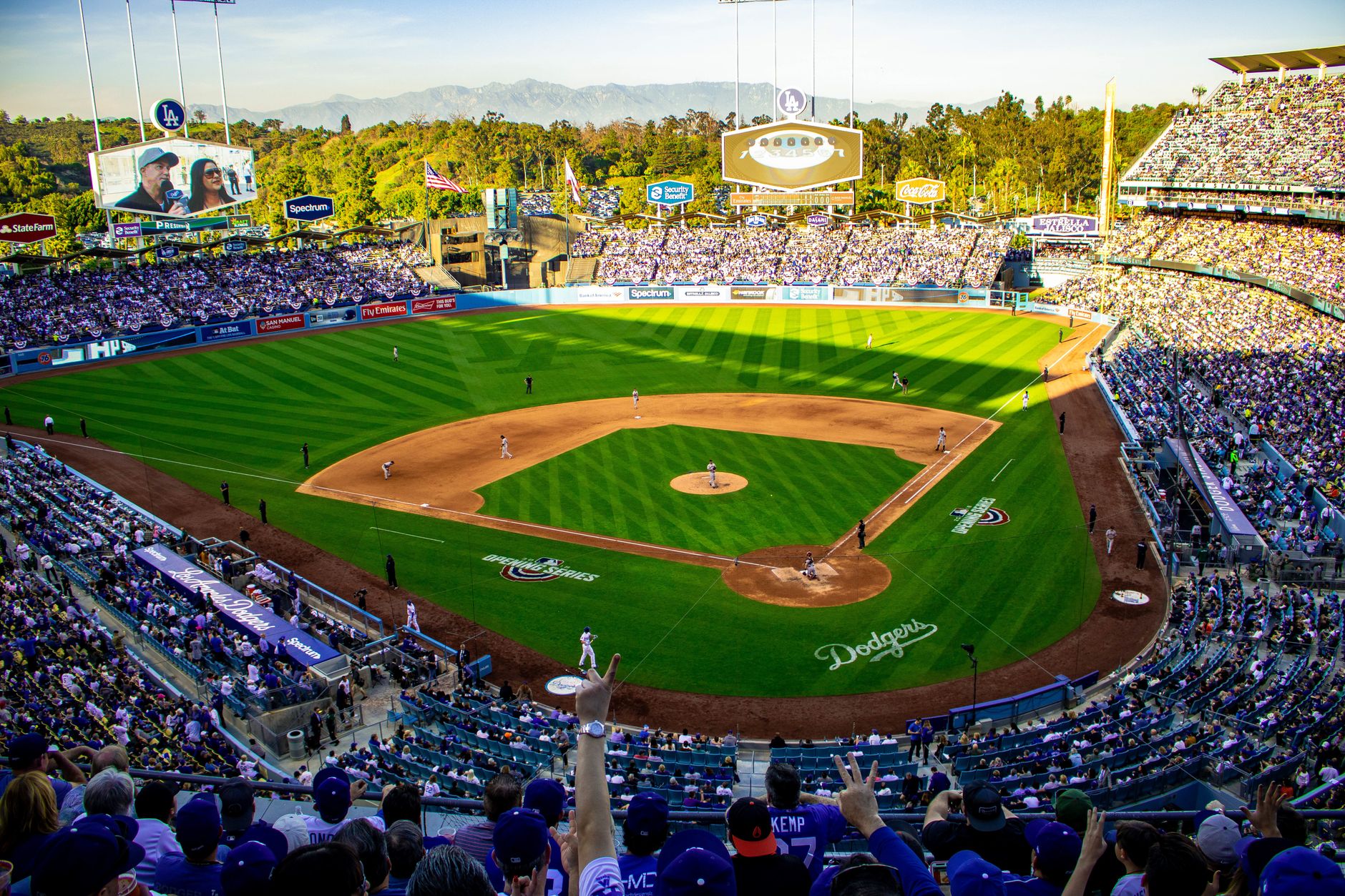
The Los Angeles Dodgers secured their long-awaited World Series title in the most recent championship season, marking a significant achievement after years of strong performances and near misses. This victory was met with widespread jubilation among their passionate fanbase, who had supported the team through numerous playoff runs. The team's roster boasts a blend of seasoned veterans and emerging stars, all contributing to their dominant season. Their path to the championship involved overcoming formidable opponents in intense playoff series, showcasing resilience and exceptional skill. The culmination of their efforts on the diamond has positioned them as the current champions, deserving of the traditional accolades that follow such a monumental success. The anticipation for the White House visit is therefore amplified by the magnitude of their accomplishment and the prolonged period fans waited for this ultimate prize in professional baseball. This victory not only adds another prestigious trophy to the Dodgers' storied franchise history but also opens the door for the customary national recognition at the highest level.
The scheduling of White House visits for championship teams has, in recent years, become subject to various factors that can influence the timing and even the occurrence of these events. While a visit is generally expected, the specific date is often a matter of negotiation and coordination between the team and the White House staff. This process can be affected by the President's travel schedule, legislative priorities, and other significant national or international events. In some instances, teams have had to wait longer than usual, or in rare cases, visits have been altered or forgone due to political considerations or scheduling conflicts. The current administration, like its predecessors, navigates a complex calendar of engagements, and the timing of such a celebratory event must align with these broader commitments. Understanding these dynamics is crucial to contextualizing the current situation with the Dodgers, where the traditional expectation meets the practical realities of presidential scheduling and national affairs.
Why It Matters
The White House visit is more than just a photo opportunity; it represents a significant moment of national acknowledgment for athletic achievement. For the Los Angeles Dodgers, this visit serves as the ultimate validation of their hard-fought World Series victory, cementing their place in history with presidential recognition. It provides a platform for the team to connect with the nation, sharing their journey and inspiring fans across the country. The delay in scheduling this event, therefore, detracts from the celebratory narrative and can create a sense of anticlimax for a team that has earned this honor. The tradition itself is a symbol of unity, bringing together different facets of American culture under the banner of sportsmanship and national pride. Its continuation, even amidst potential logistical hurdles, reinforces the value placed on athletic excellence and the unifying power of sports in American society.
For the Dodgers organization and its players, the White House visit is a career-defining moment, a tangible connection to the highest office in the land following their ultimate sporting success. It’s an experience that transcends the game itself, offering a unique historical marker that will be remembered long after their playing days are over. The anticipation and eventual execution of this visit are integral parts of the championship experience, providing closure and a sense of national embrace for their monumental achievement. The uncertainty surrounding the date can cast a shadow over this otherwise joyous period, potentially diminishing the impact of this significant milestone. Ensuring the visit happens, and in a timely manner, allows the team to fully savor and be recognized for their championship season on a national stage.
The prolonged wait for a confirmed White House visit date for the World Series champions can inadvertently send a message about the prioritization of such traditions. In an era where sports often serve as a unifying force, the timely acknowledgment of athletic excellence by the nation's leaders is crucial. This delay, regardless of its cause, can be perceived as a slight or a lack of enthusiasm for celebrating a team's hard-earned victory. It raises questions about the underlying reasons, prompting speculation that could range from scheduling conflicts to more politically charged interpretations. Ultimately, the significance of this visit lies in its symbolic power to unite the country in celebrating achievement, and any disruption to this tradition warrants attention and clarification.
Ground Reality
The practicalities of scheduling a White House visit for a championship sports team involve intricate coordination between multiple entities. The Dodgers, as the reigning World Series winners, are the focal point, but their availability is contingent on their own team's schedule, including player commitments, travel, and potential off-season activities. Simultaneously, the White House operates under a demanding schedule dictated by presidential duties, foreign policy engagements, domestic initiatives, and other high-profile events. Finding a mutually agreeable date requires significant lead time and flexibility from both sides. The absence of a confirmed date suggests that these complex logistical puzzles have yet to be solved, potentially due to competing priorities or unforeseen scheduling conflicts that have arisen for either the team or the executive branch. This reality underscores that while the visit is a tradition, its execution is subject to the stringent demands of presidential and professional sports calendars.
Currently, the Los Angeles Dodgers are in the midst of their preparation for the upcoming baseball season, which involves spring training, roster adjustments, and the early stages of regular-season play. Player focus is primarily on performance on the field, with organizational efforts directed towards team success. While the White House visit is a significant honor, it is secondary to the immediate demands of the sport itself. The team's front office and public relations departments are likely engaged in discussions with the White House, but the lack of a public announcement indicates that a definitive date has not been established. This situation is not necessarily indicative of a lack of effort but rather highlights the challenges inherent in aligning the schedules of a high-profile sports team with the demanding itinerary of the U.S. Presidency. The team's commitment remains focused on the game, awaiting the opportune moment for national recognition.
The White House's own operational realities play a significant role in the timing of such visits. The President's schedule is meticulously planned, often months in advance, and is subject to frequent adjustments due to evolving national and international events. Security protocols, logistical arrangements for guests, and the specific nature of the ceremony all require careful preparation. If the Dodgers' championship win occurred relatively recently in the presidential calendar, or if the current period is particularly dense with other critical governmental activities, finding a suitable slot can be challenging. The lack of a confirmed date may simply reflect the ongoing effort to integrate this celebratory event into an already packed and dynamic presidential agenda, emphasizing that the White House must balance many competing demands on its time and resources.
What Experts Are Saying
Sports historians and political commentators have noted that White House visits for championship teams have, at times, been subject to political currents and scheduling complexities. Dr. Eleanor Vance, a sports historian at Georgetown University, commented, "While the tradition is deeply ingrained, its execution can be influenced by the prevailing political climate and the administrative priorities of the day. A delay doesn't necessarily signal a snub, but it does highlight the intricate dance between sports, culture, and the presidency." She further elaborated that in some administrations, these visits have been streamlined, while in others, they have faced more protracted negotiation periods due to the sheer volume of events and the President's demanding schedule. The Dodgers' situation, therefore, is not entirely unprecedented, but the extended lack of a date is certainly a point of discussion among those who follow the intersection of sports and politics.
Media analysts focusing on sports and culture have observed that the narrative surrounding a championship team often includes the White House visit as a key celebratory milestone. "The absence of a confirmed date can create a vacuum that invites speculation," stated Mark Jenkins, a sports media critic. "Fans and media alike look for these traditional markers of success. When one is delayed, it inevitably leads to questions about why, and those questions can sometimes overshadow the actual achievement if not addressed promptly." Jenkins also pointed out that in the age of instant communication, prolonged uncertainty about such a high-profile event can lead to frustration among fan bases and create a less than ideal public relations scenario for both the team and the White House.
Former presidential aides and White House staff members often emphasize the logistical challenges involved in planning such events. "Coordinating a presidential visit requires immense attention to detail, from security to guest lists to the program itself," noted a former White House event planner. "When you factor in the demands on the President's time, finding a window that works for everyone can be incredibly difficult." This perspective suggests that the delay might stem from purely operational hurdles rather than any political statement. The sheer complexity of managing the President's schedule, which is constantly in flux due to domestic and international affairs, means that even seemingly straightforward events can require extensive planning and negotiation to find the right moment.

Frequently Asked Questions
What Happens Next
The immediate next step involves continued communication and coordination between the Los Angeles Dodgers organization and the White House staff. Both parties will likely be working diligently to identify a suitable date that accommodates the President's schedule and the team's ongoing baseball commitments. Fans and media will be closely monitoring for any official announcements regarding a confirmed date. It is probable that once a date is finalized, the news will be released promptly through official channels to manage expectations and allow for appropriate planning. The focus will then shift to the specifics of the event itself, including the ceremony details and any public statements made by the President and team representatives.
Should the scheduling challenges persist, alternative approaches might be considered, though these are less common. For instance, a visit might occur later in the calendar year than is typical, or perhaps a different format could be explored if a traditional ceremony proves unfeasible. However, the prevailing expectation is that a date will eventually be set, allowing the Dodgers to receive the customary recognition. The team's management is expected to continue advocating for the visit, recognizing its significance for the franchise and its supporters. The resolution of this scheduling matter will likely depend on the flexibility and collaborative efforts of both the Dodgers and the White House to overcome the logistical hurdles.
Ultimately, the resolution of this situation hinges on finding a practical window within the demanding schedules of both the President and the World Series champions. The anticipation for the visit remains high, and its eventual occurrence will serve as a significant capstone to the Dodgers' championship season. Until an official date is announced, the situation will likely remain a topic of discussion and mild speculation. However, the tradition's resilience suggests that a path to honoring the Dodgers at the White House will be found, reinforcing the enduring connection between national leadership and athletic achievement in the United States.













Comments
No comments yet. Be the first to comment!