
The Numbers
- Over $1.5 trillion in global trade transits through the Strait of Hormuz annually, a critical chokepoint now threatened by heightened regional instability.
- Approximately 20% of the world's petroleum and 25% of its liquefied natural gas pass through the Strait of Hormuz, making any disruption a severe global economic risk.
- The US has deployed an additional 14,000 troops to the Middle East since May, significantly bolstering its military presence in response to Iranian actions and escalating regional tensions.
- Iran has reportedly increased its uranium enrichment activities to 60% purity, a level far exceeding the 3.67% cap set by the 2015 nuclear deal, raising serious proliferation concerns.
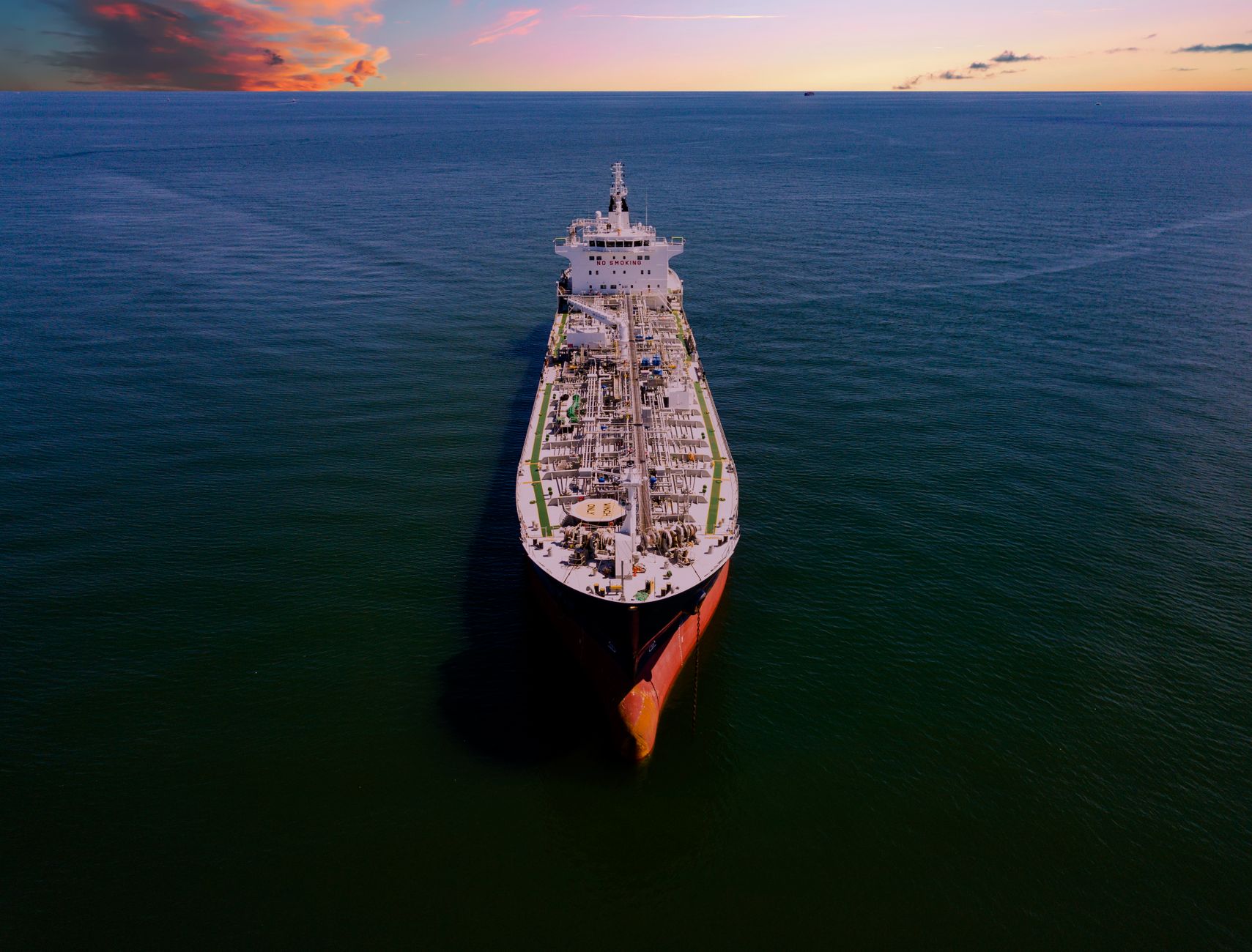
- At least 12 documented attacks on oil tankers in the Gulf of Oman have occurred over the past 18 months, with Western intelligence agencies attributing many to Iranian-backed proxies.
- Sanctions imposed by the US have reportedly cut Iran's oil exports by over 80%, severely impacting its economy and contributing to internal unrest and external aggression.
Context Check
The current surge in hostilities between the United States and Iran is not an isolated incident but rather the latest chapter in a decades-long saga of geopolitical friction, rooted deeply in historical grievances, ideological clashes, and strategic competition for regional dominance. The US policy of 'maximum pressure' on Iran, initiated after its withdrawal from the Joint Comprehensive Plan of Action (JCPOA) in 2018, has systematically aimed to cripple Iran's economy and curtail its nuclear ambitions and regional influence. This strategy, however, has inadvertently fueled a cycle of escalation, as Tehran perceives these actions as an existential threat, prompting a more aggressive posture in response. Understanding this intricate historical backdrop is crucial to grasping the gravity of the present situation.
Iran's retaliatory strikes against Gulf states, often executed through a network of proxies, are a direct consequence of this sustained pressure. These actions serve a dual purpose: to demonstrate Iran's capacity to inflict pain and disrupt global energy supplies, thereby signaling its unwillingness to capitulate, and to pressure regional adversaries who are perceived as aligning with US interests. The attacks on oil infrastructure and shipping lanes are not random acts but calculated moves designed to raise the economic and political costs for Washington and its allies, pushing them to reconsider the efficacy and sustainability of the maximum pressure campaign. This tit-for-tat dynamic creates a highly volatile environment where miscalculation could easily lead to a broader, more devastating conflict.
The international community watches with bated breath as the situation teeters on the brink. The Strait of Hormuz, a vital artery for global oil shipments, remains a flashpoint where any significant disruption could send shockwaves through the world economy. The interplay of various regional actors, each with their own complex agendas and alliances, further complicates efforts to de-escalate. From Saudi Arabia and the UAE, who feel directly threatened by Iran's actions, to Israel, which views Iran's nuclear program as an existential threat, the regional dynamics are a tinderbox. The absence of direct diplomatic channels between Washington and Tehran, coupled with a deep-seated mistrust, exacerbates the challenge of finding a peaceful resolution, making the current trajectory particularly alarming.
Background
The roots of the current US-Iran standoff can be traced back to the 1979 Iranian Revolution, which fundamentally altered the geopolitical landscape of the Middle East. The subsequent hostage crisis and the long-standing US support for regional rivals, particularly during the Iran-Iraq War, cemented a deep-seated animosity. Decades of sanctions, accusations of state-sponsored terrorism, and proxy conflicts across the region have further entrenched this adversarial relationship. The brief period of rapprochement under the Obama administration, culminating in the 2015 nuclear deal, offered a glimmer of hope for de-escalation, but this was ultimately short-lived, paving the way for the current resurgence of tensions.
The Trump administration's decision to withdraw from the JCPOA in 2018 and re-impose stringent sanctions marked a significant turning point, effectively dismantling the diplomatic framework that had, however imperfectly, managed Iran's nuclear program. This move was predicated on the belief that greater economic pressure would force Iran to renegotiate a more comprehensive deal, addressing not only its nuclear activities but also its ballistic missile program and regional behavior. However, Iran viewed this as a betrayal and a violation of international law, leading to its gradual rollback of commitments under the nuclear accord and an increase in its regional assertiveness, directly contributing to the current crisis.
Iran's strategic response to US pressure has been multifaceted, leveraging its asymmetric warfare capabilities and its network of regional proxies, including Hezbollah in Lebanon, Houthi rebels in Yemen, and various Shiite militias in Iraq. These groups provide Tehran with a means to project power and retaliate against perceived threats without directly engaging in conventional warfare, thereby avoiding a full-scale conflict with the United States. The attacks on Saudi oil facilities, maritime incidents in the Gulf, and rocket attacks on bases housing US troops are all part of this calculated strategy, designed to demonstrate Iran's reach and its willingness to escalate if its core interests are threatened. This complex web of proxy warfare makes de-escalation incredibly challenging, as accountability and attribution become blurred.
Winners and Losers
In this escalating confrontation, there are no clear winners, only varying degrees of loss and risk. The most immediate losers are undoubtedly the citizens of Iran, who bear the brunt of crippling economic sanctions. Hyperinflation, widespread unemployment, and a severe shortage of essential goods have led to significant social unrest and a deteriorating quality of life. The sanctions, while intended to pressure the regime, have disproportionately impacted ordinary Iranians, fueling resentment and instability within the country. Furthermore, the constant threat of military conflict casts a dark shadow over their future, eroding any sense of security or normalcy. The humanitarian cost of this geopolitical chess match is immense and often overlooked in the broader strategic discourse.
Regional stability is another significant casualty. Gulf states like Saudi Arabia and the UAE, despite their close alliance with the US, find themselves increasingly vulnerable to retaliatory strikes from Iran and its proxies. Their critical oil infrastructure and shipping lanes are prime targets, posing severe threats to their economies and national security. The constant state of alert and the need to invest heavily in defense divert resources that could otherwise be used for development and diversification. The regional arms race intensifies, creating a dangerous feedback loop where increased militarization on one side prompts similar actions from the other, making the entire region more prone to conflict and less attractive for foreign investment.
The United States, while asserting its geopolitical dominance, also faces substantial costs. The deployment of additional military assets and personnel in the region is a drain on resources and increases the risk of direct military engagement, which could have catastrophic consequences. A protracted conflict in the Middle East would not only be costly in terms of lives and treasure but would also divert attention and resources from other pressing global challenges. Furthermore, the 'maximum pressure' strategy has, arguably, pushed Iran closer to developing nuclear weapons, as it feels its security guarantees have been eroded, thereby undermining the very objective it sought to achieve. The global economy, heavily reliant on Middle Eastern oil, stands to lose immensely from any major disruption, with ripple effects felt worldwide.
Analyst Perspectives
Many geopolitical analysts contend that the US 'maximum pressure' campaign, while intended to curb Iran's ambitions, has paradoxically strengthened hardliners within the Iranian regime and pushed Tehran to adopt a more aggressive stance. Dr. Emily Hawthorne, a senior analyst at Eurasia Group, notes, "The strategy has failed to achieve its stated goals of bringing Iran back to the negotiating table for a 'better deal' and has instead fostered greater defiance. Tehran views the sanctions as an act of economic warfare and has responded by demonstrating its capacity to inflict pain, rather than capitulating." This perspective suggests that the current approach is counterproductive, leading to greater instability rather than a resolution.
Conversely, some hawkish analysts argue that sustained pressure is the only language the Iranian regime understands. Michael Rubin from the American Enterprise Institute asserts, "Any perceived weakness or willingness to negotiate without significant concessions from Iran will only embolden them further. The regime thrives on projecting strength, and only a consistent, unwavering stance will force them to alter their behavior." This viewpoint advocates for maintaining or even intensifying sanctions, believing that the economic strain will eventually force a change in Tehran's policies, despite the immediate risks of escalation. They often point to historical instances where pressure has yielded results.
A third school of thought, often voiced by former diplomats and international relations scholars, emphasizes the urgent need for renewed diplomatic engagement, possibly through multilateral channels. Ambassador John Bolton, a former US National Security Advisor, while known for his hawkish views, has also acknowledged the complexity. Experts like Dr. Trita Parsi of the Quincy Institute advocate for de-escalation through direct talks, even if informal, to prevent miscalculation. "The current trajectory is unsustainable and highly dangerous," Parsi warns. "Without a robust diplomatic off-ramp, the region risks sliding into a full-scale conflict that no party truly desires, but which could be triggered by an accidental spark." This perspective highlights the critical role of dialogue in defusing the current crisis and finding a sustainable path forward.

Key Questions Explained
The Outlook
The immediate outlook for the US-Iran relationship remains deeply concerning, with a high probability of continued escalation unless a significant diplomatic breakthrough occurs. Both sides appear entrenched in their positions, with Iran unwilling to negotiate under duress and the US committed to its 'maximum pressure' strategy. This stalemate creates a dangerous environment where miscalculation or an accidental spark could rapidly ignite a broader conflict. The absence of direct communication channels further exacerbates this risk, making it difficult to de-escalate crises in real-time. The world watches anxiously as the region teeters on the brink, with the potential for widespread instability looming large.
Looking ahead, the long-term stability of the Middle East hinges on a fundamental shift in approach. A sustainable resolution will likely require a multifaceted strategy that moves beyond mere containment or punitive sanctions. This could involve a return to robust multilateral diplomacy, perhaps with the active mediation of international bodies or neutral third parties, to rebuild trust and establish a framework for dialogue. Addressing Iran's legitimate security concerns, while simultaneously curbing its destabilizing regional activities and nuclear ambitions, will be crucial. This complex balancing act demands nuanced policy and a willingness from all parties to compromise, a prospect that currently appears distant.
The international community, particularly European powers and Asian economic giants heavily reliant on Middle Eastern energy, will play a critical role in shaping the future trajectory. Their collective pressure for de-escalation and their willingness to facilitate diplomatic initiatives could provide the necessary impetus for a peaceful resolution. However, without a concerted and unified effort, the region risks descending into a prolonged period of instability, with profound global implications. The path forward is fraught with challenges, but the imperative to prevent a wider conflict demands urgent and sustained diplomatic engagement from all stakeholders, recognizing that the current trajectory is unsustainable and perilous.












Comments
No comments yet. Be the first to comment!