
Key Takeaways
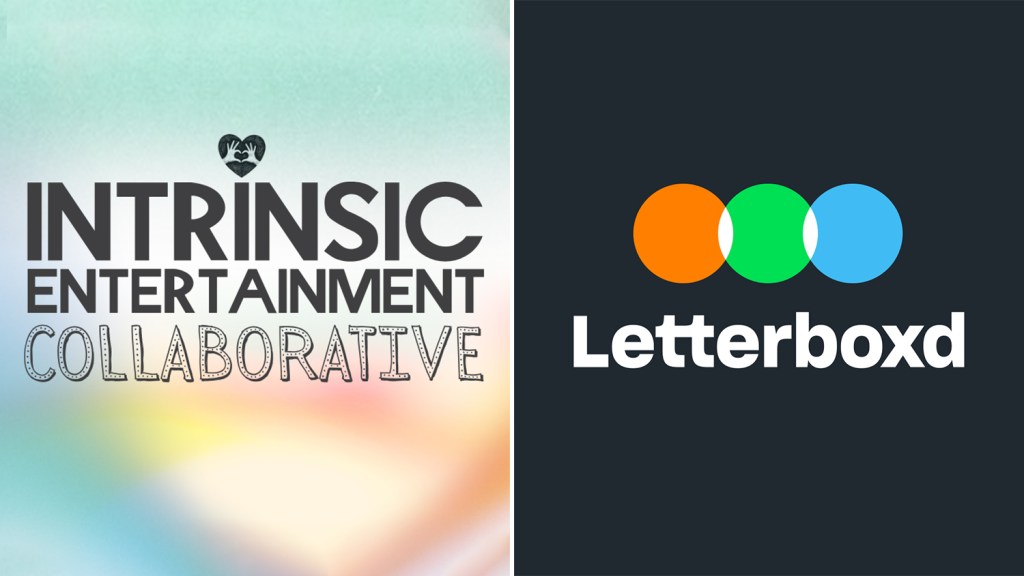
- Discussions are underway regarding a potential community-led takeover of Letterboxd, the premier social platform for film enthusiasts, signaling a significant shift in its governance and operational future.
- The current ownership structure and the financial viability of such a takeover are central to ongoing debates, with users and stakeholders exploring models that prioritize community values and platform sustainability.
- If successful, a community-led initiative could redefine Letterboxd's trajectory, potentially enhancing user-driven features, content curation, and the overall experience for its millions of global members.
- Concerns linger about the practicalities of a takeover, including securing funding, navigating legal frameworks, and ensuring the platform's continued growth and technological advancement under new stewardship.
- This potential transition highlights a broader trend of users seeking greater influence over digital spaces they inhabit, particularly those dedicated to niche cultural interests like independent and arthouse cinema.
- The outcome of these discussions will undoubtedly set a precedent for other online communities and platforms, illustrating the growing power of collective action in shaping the digital landscape.
Background
Letterboxd, established in 2011, has rapidly evolved from a simple film logging service into the dominant social network for cinephiles worldwide. Its intuitive interface allows users to track watched films, write reviews, create lists, and engage in discussions, fostering a vibrant community around cinematic appreciation. The platform boasts millions of registered users, ranging from casual moviegoers to professional critics and filmmakers, all united by a shared passion for film. This widespread adoption has cemented Letterboxd's status as an indispensable tool for discovering new movies, revisiting classics, and connecting with like-minded individuals across the globe. Its curated lists and user-generated content have become influential in shaping film discourse and discovery, often highlighting independent, international, and arthouse cinema that might otherwise be overlooked by mainstream platforms. The platform's growth has been organic, driven by word-of-mouth and its genuine utility for its target audience, creating a loyal user base that deeply values its unique ecosystem.
The platform's success is largely attributed to its focus on user experience and its commitment to serving the film community. Unlike broader social media networks, Letterboxd maintains a singular focus on cinema, creating a dedicated space free from the distractions of other content types. This specialization has allowed it to cultivate a unique culture, characterized by thoughtful reviews, passionate debates, and a shared language around film. Over the years, Letterboxd has introduced various features, including advanced search filters, integration with streaming services, and a robust API, further enhancing its functionality and appeal. Its business model, which includes a premium subscription tier offering enhanced features and an ad-free experience, has proven sustainable, allowing the company to invest in platform development without compromising its core user experience. This careful balance has earned it significant goodwill within the film industry and among its user base, making it a trusted and cherished resource for film lovers.
However, the digital landscape is constantly shifting, and the future of any online platform, regardless of its current success, is subject to evolving market dynamics and ownership considerations. As Letterboxd has grown in prominence and influence, questions regarding its long-term ownership and governance have inevitably arisen. The possibility of a community-led takeover, while perhaps nascent, reflects a desire among some users to ensure the platform's continued alignment with its core values and community-centric ethos. Such a move would represent a significant departure from traditional corporate ownership models, potentially empowering the very users who have contributed to its success. The implications of such a transition are far-reaching, touching upon issues of control, investment, and the platform's strategic direction in an increasingly competitive digital environment. Understanding the context of Letterboxd's journey from a niche tool to a cultural phenomenon is crucial for appreciating the significance of these ongoing discussions.
Why It Matters
The potential for a community-led takeover of Letterboxd is far more than a mere corporate reshuffle; it represents a significant inflection point for digital communities and the future of user-governed online spaces. For millions of film enthusiasts, Letterboxd is not just a website or an app; it is a digital home, a vital hub for discovery, discussion, and connection. A shift in ownership, particularly one driven by its own user base, could fundamentally alter the platform's ethos, feature development, and long-term vision. This matters because it speaks to a growing desire for agency and control over the digital tools and spaces that shape our cultural consumption and social interactions. If successful, this move could serve as a powerful precedent, demonstrating that platforms built on shared passion can indeed be steered by the collective will of their most dedicated participants, rather than solely by commercial imperatives.
Furthermore, the implications extend beyond Letterboxd's immediate user base. The platform has become an influential force in film culture, shaping conversations, driving discovery of independent and international cinema, and providing invaluable data and insights for filmmakers and distributors. Any change in its operational direction or strategic priorities could ripple through the broader film industry. A community-led model might prioritize niche content, experimental film, or educational initiatives in ways that a profit-driven corporate entity might not. Conversely, challenges in funding or management could lead to stagnation or a decline in service quality, impacting the vibrant ecosystem that has been carefully cultivated. Therefore, the outcome of these discussions is critical for understanding how cultural platforms can be sustained and evolve in ways that truly serve their communities and the art forms they celebrate.
This situation also highlights a critical juncture in the evolution of social media and online communities. As users become increasingly aware of the power structures and commercial interests that underpin their digital experiences, the demand for more democratic and transparent governance models is growing. Letterboxd, with its passionate and engaged user base, is a prime candidate for such an experiment. The success or failure of a community-led takeover attempt could provide invaluable lessons for other platforms seeking to foster deeper user loyalty and engagement, or for communities aspiring to reclaim ownership of their digital spaces. It forces a re-evaluation of what constitutes value in an online platform – is it purely financial return, or does it encompass cultural impact, community well-being, and user empowerment? The answer to this question will shape the future of online interaction.
Ground Reality
The current reality for Letterboxd is one of immense popularity coupled with the inherent complexities of managing a rapidly growing digital platform. Millions of users rely on its infrastructure daily for film logging, review writing, list creation, and social interaction. This scale brings significant operational demands, requiring robust server capacity, continuous software development, effective moderation, and responsive customer support. While the platform has successfully navigated these challenges to date, any potential shift in ownership or governance model introduces a new layer of complexity. Discussions about a community takeover are likely in their early stages, involving informal conversations among passionate users and potentially exploratory outreach to current stakeholders. The practicalities of such a venture are substantial, ranging from identifying credible leadership and formulating a viable business plan to securing the substantial capital required for an acquisition and establishing a sustainable operational framework.
From a user perspective, the immediate ground reality remains largely unchanged, with the platform functioning as usual. However, the underlying sentiment among many active users is one of cautious optimism mixed with apprehension. There's a palpable desire to protect the platform's unique culture and user-centric ethos from potential commercial pressures that might arise under different ownership. Simultaneously, users recognize the financial realities of running a sophisticated tech platform. Funding is essential for maintaining and enhancing services, developing new features, and ensuring long-term stability. A community-led initiative would need to demonstrate a clear path to financial sustainability, whether through increased premium subscriptions, new revenue streams, or significant investment, without alienating the user base or compromising the platform's core identity. This delicate balancing act is the central challenge.
The technical and operational infrastructure required to support millions of users worldwide is considerable. Letterboxd currently relies on a team of developers, designers, and support staff to maintain its services. A transition to community ownership would necessitate a clear plan for retaining and potentially expanding this team, ensuring continuity of service and ongoing innovation. Questions about decision-making processes, board structures, and accountability mechanisms would need to be addressed. Furthermore, the legal and financial due diligence involved in any acquisition, let alone a community-led one, is extensive. Identifying potential funding sources, whether through crowdfunding, venture capital aligned with community values, or a cooperative ownership model, is a critical hurdle. The current discourse reflects a community grappling with these complex realities, seeking ways to preserve what they cherish while ensuring the platform's enduring viability.
What Experts Are Saying
Tech analysts are closely watching the situation, viewing a potential community takeover of Letterboxd as a fascinating case study in the evolving dynamics of digital platforms. Many see it as a natural progression for a platform that has cultivated such a strong, niche user base. "Platforms like Letterboxd thrive on community engagement and shared passion, making a user-led governance model a logical, albeit challenging, next step," notes Dr. Anya Sharma, a digital culture researcher. She emphasizes that the success hinges on the ability to translate user enthusiasm into a sustainable operational and financial strategy. The key challenge, according to industry observers, lies in bridging the gap between idealistic community goals and the pragmatic demands of running a global tech service, including managing infrastructure costs, data privacy, and competitive pressures from emerging platforms.
Media theorists suggest that this potential move reflects a broader societal shift towards decentralization and user empowerment in the digital realm. Professor Ben Carter, specializing in media studies, comments, "We're seeing a growing fatigue with top-down, corporate-controlled digital spaces. Users are increasingly seeking platforms that reflect their values and offer them a genuine stake in their governance." He points out that while cooperative or community-owned models have existed for decades in other sectors, their application to large-scale social media platforms is still experimental. The Letterboxd scenario could provide crucial insights into the viability of such models in the tech industry, particularly for platforms with strong cultural or artistic focus. However, he also cautions that the path is fraught with potential pitfalls, including internal disagreements, difficulties in scaling, and the ever-present threat of external market forces.
Financial experts are approaching the prospect with a mix of skepticism and intrigue, focusing on the economic feasibility. "The capital required to acquire and operate a platform of Letterboxd's scale is significant," states financial analyst Maria Rodriguez. "A community-led bid would need a robust financial backing, likely from a combination of user investment, ethical venture capital, or potentially a non-profit structure." She highlights that while user loyalty is a powerful asset, it doesn't automatically translate into revenue. Developing a clear, diversified revenue stream that aligns with community values—perhaps through enhanced premium features, curated partnerships, or merchandise—will be paramount. Without a sound financial plan, even the most well-intentioned takeover could falter, potentially leading to a less stable or feature-rich platform than the one users currently cherish.

Frequently Asked Questions
What Happens Next
The immediate future for Letterboxd and its community is one of anticipation and active discussion. While the concept of a community-led takeover is gaining momentum, it remains in its nascent stages. The next critical steps will involve the formation of a more concrete proposal, likely spearheaded by dedicated user groups or potential organizing committees. This will require defining a clear governance structure, outlining a viable financial model, and identifying potential leaders or representatives who can articulate the community's vision to current stakeholders and potential investors. Simultaneously, informal outreach and gauging broader community support will be crucial to demonstrate the viability and widespread desire for such a transition.
For the current ownership and management of Letterboxd, the situation necessitates careful consideration of community sentiment and the platform's long-term strategic direction. They will need to assess the seriousness and feasibility of any proposed takeover bid, while also continuing to operate and develop the platform. Transparency regarding any discussions or potential offers will be key to maintaining user trust during this period of uncertainty. It's possible that the current owners might explore alternative strategies, such as increasing user engagement programs or offering more premium features, in response to the community's desire for greater influence, even if a full takeover doesn't materialize.
Ultimately, the path forward for Letterboxd hinges on the ability of its community to coalesce around a practical and financially sound plan, and the willingness of current stakeholders to engage constructively. Whether this leads to a full community takeover, a different form of user governance, or a reinforcement of the current model, the ongoing dialogue itself is significant. It underscores the deep connection users have with the platform and their proactive desire to shape its future. The coming months will likely involve more detailed planning, potential public forums or surveys to gauge consensus, and perhaps formal approaches to current Letterboxd leadership, defining the next chapter for this vital online film hub.
















Comments
No comments yet. Be the first to comment!