
At a Glance
- Iran's recent threats to disrupt shipping in the Strait of Hormuz have significantly heightened global geopolitical and economic anxieties, creating a palpable sense of urgency among international observers and policymakers.
- President Trump has convened an emergency cabinet meeting to discuss the escalating crisis, signaling the gravity of the situation and the administration's commitment to formulating a robust response to potential threats.
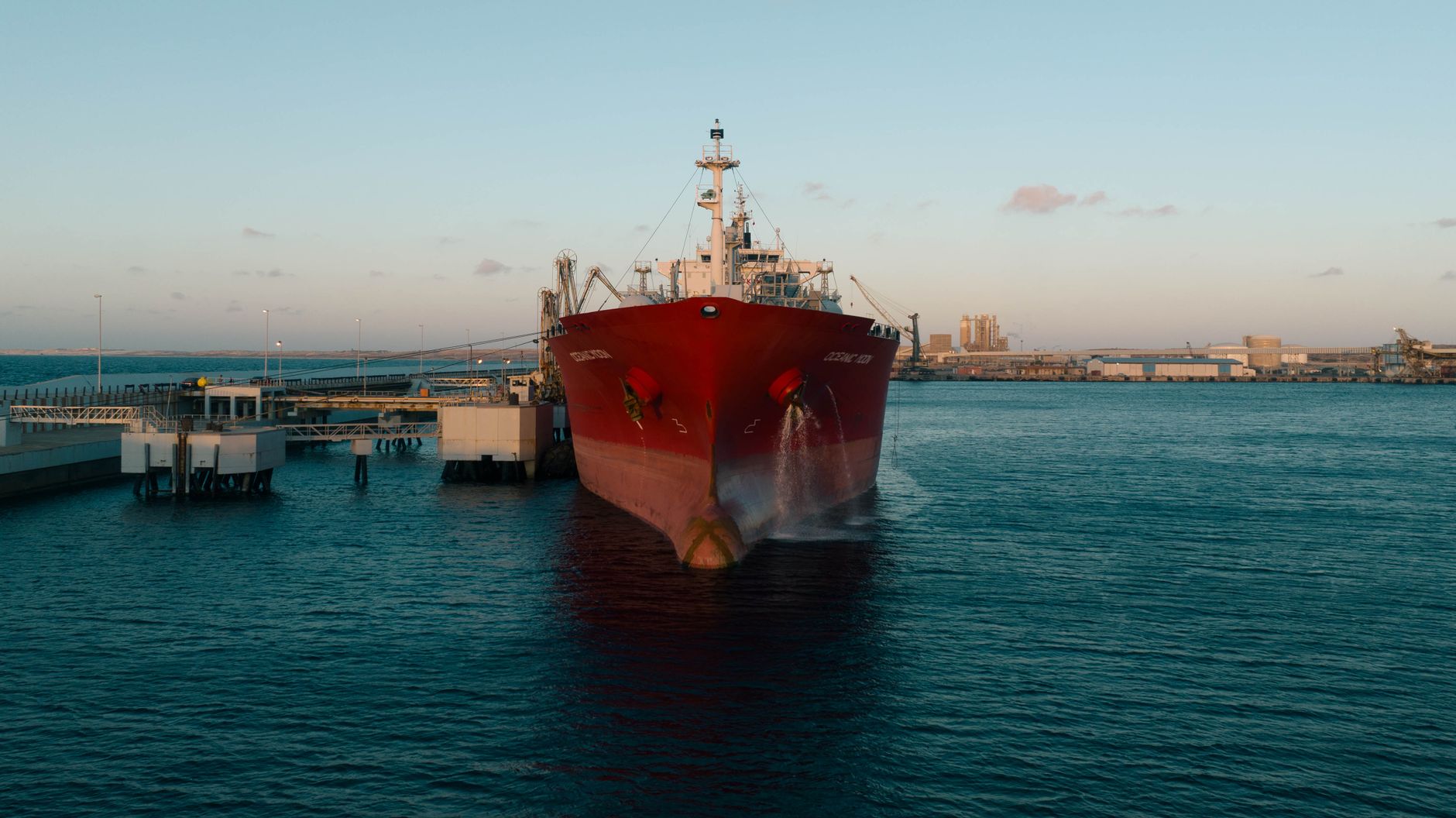
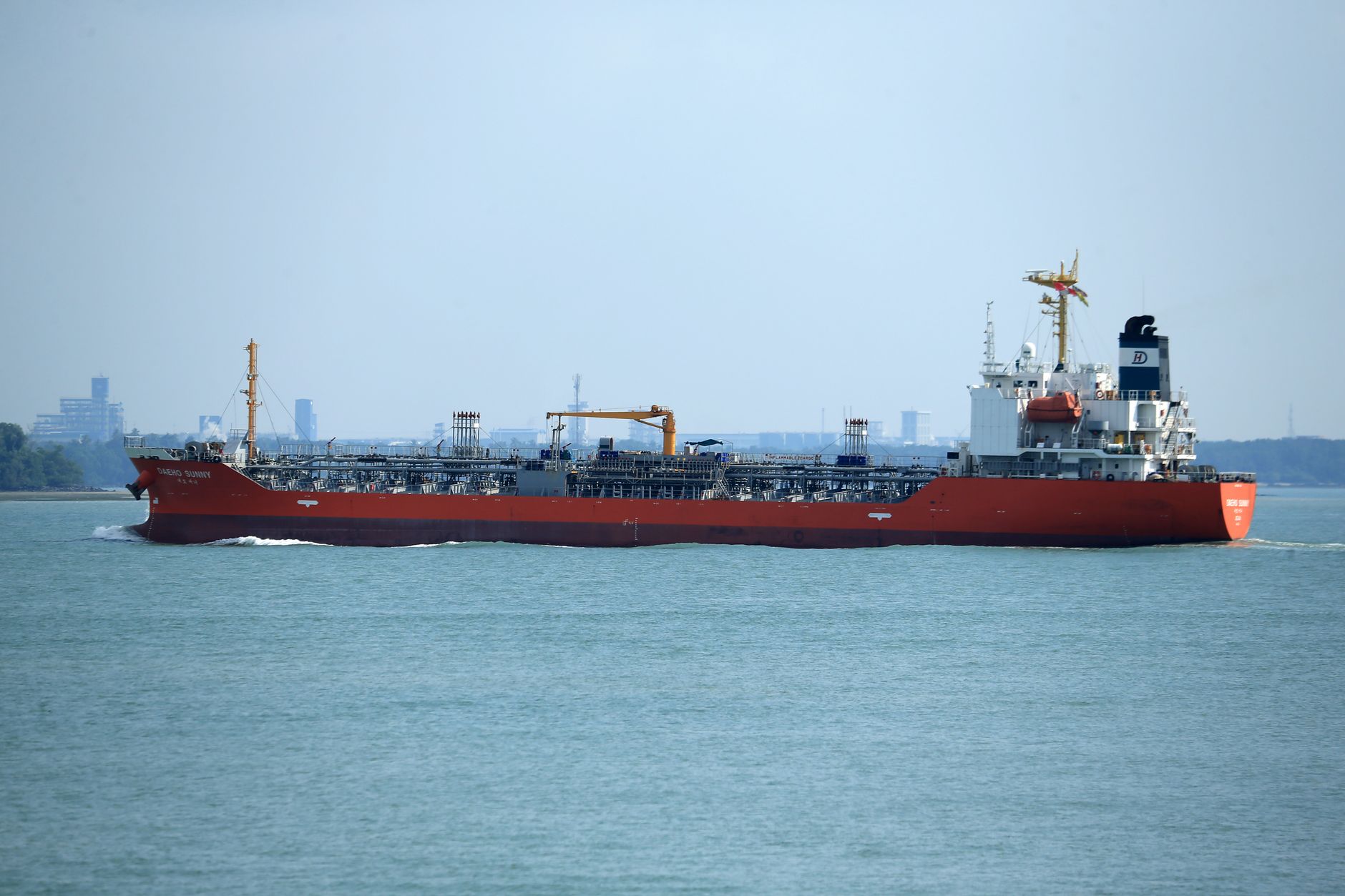
- The Strait of Hormuz is a vital artery for global oil transportation, with approximately 30% of the world's seaborne oil trade passing through it daily, making any disruption a direct threat to energy security and market stability.
- Global oil prices have reacted sharply to the increased tensions, with benchmarks showing notable upward movement, reflecting market fears of supply shortages and the potential for widespread economic repercussions if the situation deteriorates.
- International diplomatic channels are reportedly active as nations seek de-escalation and clarity on Iran's intentions, underscoring the interconnected nature of global security and the immediate need for coordinated action to prevent conflict.
- The United States and its allies are closely monitoring the situation, assessing military readiness and exploring diplomatic and economic countermeasures to deter any aggressive actions by Iran and ensure the unimpeded flow of commerce.
The Record
Recent weeks have seen a marked increase in bellicose rhetoric emanating from Tehran regarding the Strait of Hormuz, a narrow waterway that serves as the principal maritime passage for crude oil exports from the Persian Gulf. Iranian officials have repeatedly issued veiled and explicit threats to impede or close the strait in retaliation for international pressure, including sanctions and diplomatic isolation. These pronouncements, often delivered during high-profile military exercises or political rallies, are not merely rhetorical flourishes but are perceived by many analysts as calculated signals intended to test international resolve and exert leverage in ongoing geopolitical negotiations. The frequency and directness of these threats have amplified concerns within global energy markets and among maritime security experts, who recognize the profound implications of any disruption in this critical transit zone. The international community, particularly major oil-consuming nations, is now on high alert, scrutinizing every statement and action from Iran for signs of impending escalation.
In response to these escalating threats, President Trump has initiated high-level discussions within his administration, summoning key cabinet members and national security advisors to the White House. The emergency meeting underscores the administration's recognition of the potential for significant economic and security ramifications stemming from instability in the Persian Gulf. Discussions are reportedly focused on a range of potential responses, from diplomatic engagement and sanctions enforcement to military posturing and contingency planning for supply disruptions. The administration's objective is to project strength and resolve while simultaneously exploring all avenues to de-escalate the situation and prevent a conflict that could have devastating global consequences. The urgency reflects the delicate balance of power in the region and the interconnectedness of global energy markets, where even the threat of disruption can trigger significant price volatility and economic uncertainty.
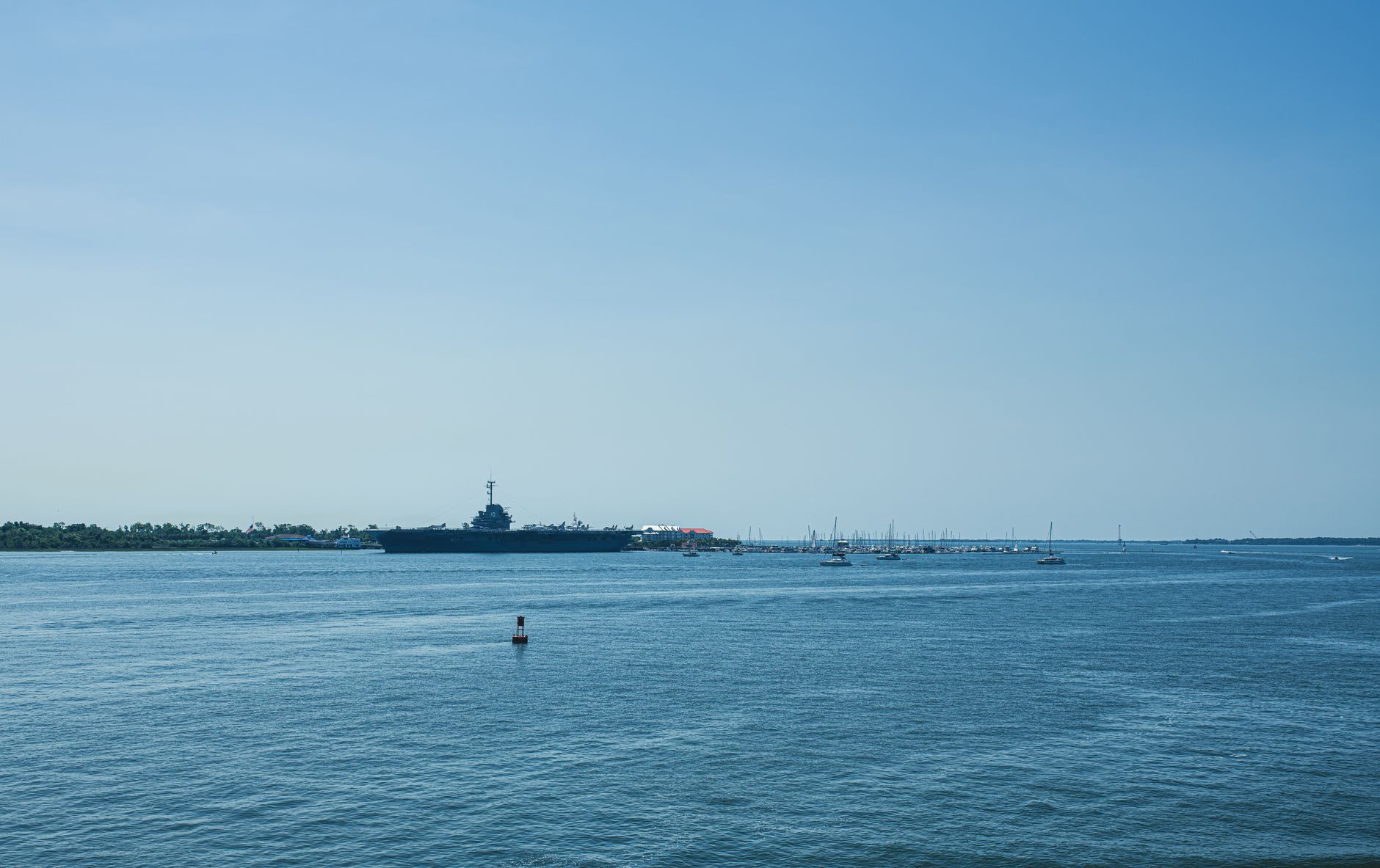
The international community has responded with a mixture of concern and calls for restraint, emphasizing the paramount importance of maintaining freedom of navigation in the Strait of Hormuz. Several key allies have reportedly engaged in direct diplomatic communication with Iranian counterparts, urging de-escalation and adherence to international maritime law. Simultaneously, naval forces from various nations operating in the region are reportedly increasing their vigilance and readiness, a standard precautionary measure in response to heightened tensions. The global economic system remains acutely sensitive to any perceived threat to oil supplies, given the strait's critical role in transporting a substantial portion of the world's daily oil consumption. Therefore, the international response is a complex interplay of diplomatic pressure, intelligence gathering, and military preparedness, all aimed at averting a crisis that could destabilize global energy markets and trigger a widespread economic downturn.
How We Got Here
The current tensions surrounding the Strait of Hormuz are deeply rooted in a complex geopolitical landscape, primarily stemming from the United States' withdrawal from the Joint Comprehensive Plan of Action (JCPOA) in 2018 and the subsequent reimposition of stringent sanctions on Iran. This decision dramatically altered the dynamics of regional power and Iran's international standing, leading to increased assertiveness from Tehran as it sought to counter perceived external pressures. The sanctions have severely impacted Iran's economy, limiting its oil exports and access to global financial markets, which has, in turn, fueled domestic political pressures and emboldened hardline factions within the regime. These factions view aggressive posturing, particularly concerning strategic waterways like the Strait of Hormuz, as a necessary tool to demonstrate resilience and retaliate against what they perceive as economic warfare waged by the US and its allies.
Furthermore, regional rivalries, particularly between Iran and Saudi Arabia, and the broader influence of proxy conflicts across the Middle East, contribute significantly to the volatile atmosphere. Iran perceives many of its actions, including naval exercises and rhetoric concerning maritime security, as defensive measures against perceived encirclement and threats from both regional adversaries and international powers. The presence of US naval assets and allied forces in the Persian Gulf, while intended to ensure stability and freedom of navigation, is often viewed by Iran as provocative. This cyclical dynamic of action and reaction, coupled with differing interpretations of regional security imperatives, has created a precarious situation where miscalculation or unintended escalation remains a constant risk, particularly in a strategically vital and densely trafficked maritime corridor.
The specific triggers for the recent escalation include a combination of factors, such as Iran's response to perceived violations of its sovereignty, ongoing international efforts to curb its nuclear program, and its support for regional militant groups. The Iranian leadership appears to be employing the threat of disrupting oil flows as a strategic lever, aiming to gain concessions or alleviate the economic pressure exerted by sanctions. This tactic leverages the global dependence on Persian Gulf oil, creating a high-stakes scenario where any aggressive move by Iran could provoke a significant international response, potentially leading to a wider conflict. The international community's efforts to de-escalate have been hampered by a lack of trust and divergent strategic objectives, making the path to a stable resolution exceedingly challenging.
Why It Matters
The Strait of Hormuz is not merely a waterway; it is the world's most critical oil chokepoint, through which an estimated 20-30% of global oil consumption transits daily. Any disruption, whether through conflict, blockade, or even a significant accident, would have immediate and severe repercussions for global energy markets. Oil prices would likely skyrocket, triggering widespread inflation and potentially pushing the global economy into a recession. This would impact everything from the cost of gasoline at the pump to the price of goods transported by sea, affecting consumers and businesses worldwide. The stability of energy supplies is a foundational element of modern economic activity, and threats to this stability create profound uncertainty and risk.
Beyond the immediate economic consequences, the potential for conflict in the Strait of Hormuz carries significant geopolitical risks. A military confrontation in this highly sensitive region could draw in multiple regional and international powers, leading to a broader and potentially devastating conflict with far-reaching consequences for global security. The delicate balance of power in the Middle East could be irrevocably shattered, exacerbating existing conflicts and creating new ones. The humanitarian toll of such a conflict would be immense, and the long-term implications for regional stability and international relations would be profound, potentially reshaping global alliances and security architectures for decades to come.
The events unfolding in and around the Strait of Hormuz serve as a stark reminder of the interconnectedness of global security and economic well-being. The actions of one nation, particularly in a strategically vital location, can have ripple effects that are felt across continents. This situation underscores the importance of robust diplomatic engagement, de-escalation strategies, and the maintenance of international maritime law to ensure the free and unimpeded flow of commerce. It highlights the vulnerability of global supply chains and the need for international cooperation to manage shared security challenges, particularly those related to critical energy resources that underpin the modern world economy.
The Debate
A central point of contention revolves around the appropriate level of response to Iran's threats. Some policymakers advocate for a firm and immediate military posture, emphasizing deterrence through naval presence and readiness to respond forcefully to any act of aggression. This perspective argues that any perceived weakness or hesitation will embolden Iran and increase the likelihood of a deliberate disruption. Proponents of this approach believe that demonstrating unwavering resolve is the most effective way to prevent conflict and ensure the continued flow of oil, even if it means raising the immediate risk of confrontation. They point to historical precedents where strong military signaling has successfully deterred adversaries from taking escalatory actions in critical maritime domains.
Conversely, a significant body of opinion favors a more restrained diplomatic approach, focusing on de-escalation, negotiation, and leveraging international pressure to curb Iran's disruptive capabilities. This viewpoint stresses the immense risks of military conflict, arguing that any engagement could spiral out of control, leading to catastrophic economic consequences and regional destabilization. Advocates for this strategy emphasize the need for patience, persistent diplomacy, and the exploration of all non-military options, including direct talks and multilateral sanctions enforcement, to achieve a peaceful resolution. They often highlight the potential for miscalculation and unintended escalation in a highly charged environment, urging caution above all else.
Another facet of the debate concerns the long-term strategy towards Iran and its regional influence. Some argue that the current threats are symptomatic of a broader pattern of Iranian behavior that requires a fundamental reassessment of engagement policies, potentially involving more comprehensive sanctions or a stronger regional security architecture. Others contend that isolating Iran further will only entrench hardliners and increase the likelihood of aggressive actions, advocating instead for conditional engagement and efforts to foster internal change through dialogue and targeted economic incentives. The debate is further complicated by differing assessments of Iran's internal political dynamics and the true extent of its capabilities and intentions, making consensus on the optimal path forward exceptionally difficult.

Your Questions Answered
What Happens Next
The immediate future will likely be characterized by heightened diplomatic activity and continued military vigilance in the Persian Gulf region. International powers will be closely monitoring Iran's actions and rhetoric, seeking to de-escalate tensions through a combination of direct communication and multilateral pressure. The United States and its allies are expected to maintain a strong naval presence to deter any attempts to disrupt shipping and to reassure global markets about the commitment to maintaining freedom of navigation. Any provocative actions by Iran, however minor, could trigger a swift and potentially escalatory response, making the situation highly unpredictable and demanding constant reassessment of risk.
Economic markets will remain sensitive to developments, with oil prices likely to exhibit volatility based on perceived threats and de-escalation efforts. Investors and businesses will be closely watching for any signs of sustained disruption or conflict, which could lead to significant price shocks and economic uncertainty. The effectiveness of international sanctions and diplomatic initiatives in influencing Iran's behavior will be a key factor in determining the trajectory of the crisis. A sustained period of high tension without overt military action could lead to a 'new normal' of elevated risk premiums in oil markets, impacting global economic planning.
Longer-term, the crisis may accelerate efforts by major oil-consuming nations to diversify their energy sources and reduce reliance on the Persian Gulf. This could include increased investment in alternative energy technologies, exploration of new oil fields outside the region, and strategic petroleum reserve management. The geopolitical landscape of the Middle East may also undergo shifts, depending on the outcome of the current standoff and the broader regional power dynamics. Ultimately, the resolution of this crisis will likely depend on a complex interplay of diplomatic maneuvering, economic pressures, and the strategic calculations of all parties involved.











Comments
No comments yet. Be the first to comment!