
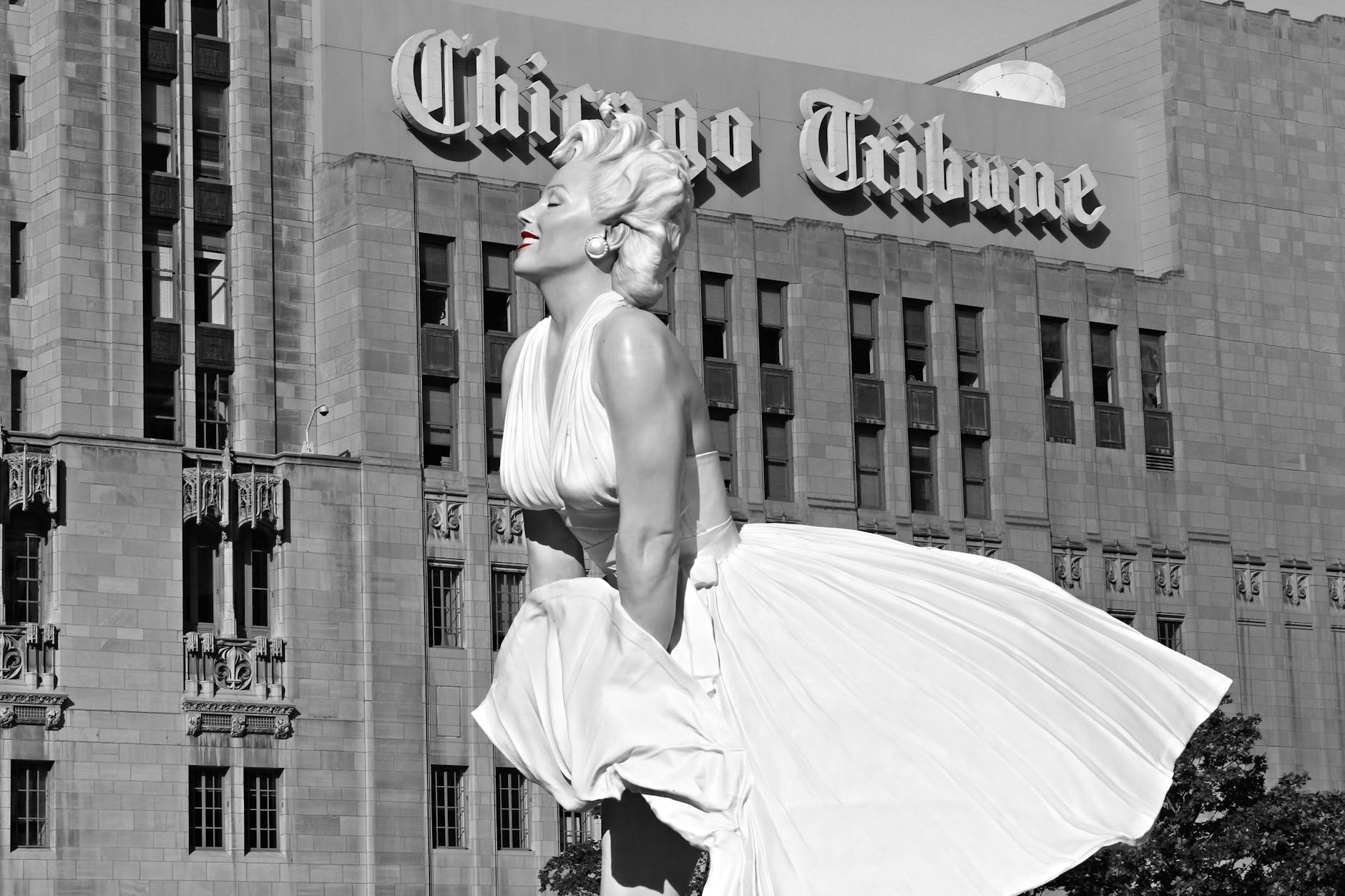

Key Takeaways
- Marilyn Monroe's enduring image continues to generate significant revenue, estimated at $100 million annually, through licensing, endorsements, and media.
- Her brand transcends mere nostalgia, actively engaging new generations via social media trends, fashion collaborations, and curated digital content.
- The strategic management of her intellectual property is crucial, balancing artistic integrity with commercial viability to maintain her iconic status.
- Monroe's legacy is a masterclass in personal branding, demonstrating how a carefully cultivated persona can achieve lasting global recognition and financial success.
- Despite her tragic personal life, her public image remains a powerful symbol of glamour, vulnerability, and timeless Hollywood allure.
- The ongoing commercialization of her likeness raises important questions about authenticity, exploitation, and the preservation of cultural icons for future appreciation.
At a Glance
Marilyn Monroe's name and likeness are far more than historical artifacts; they represent a formidable commercial entity valued at approximately $100 million per year. This sustained financial success is meticulously orchestrated through a complex web of licensing agreements, brand partnerships, and the continuous exploitation of her image across various media platforms. From high-fashion collaborations to ubiquitous merchandise, her presence is actively maintained in the contemporary marketplace, demonstrating a remarkable ability to resonate with audiences across different demographics and generations. The strategic cultivation of her brand ensures that her iconic status is not merely a relic of the past but a vibrant, ongoing commercial force.
The longevity of Monroe's brand appeal is a testament to the power of carefully managed iconography. Her image, synonymous with Hollywood glamour and a unique blend of sensuality and vulnerability, has been consistently leveraged to maintain relevance. This involves more than just reissuing old films; it includes creating new narratives and associations that connect with modern sensibilities. Through strategic marketing, digital engagement, and selective endorsements, her persona is kept alive and dynamic, proving that a well-preserved legacy can continue to be a significant economic driver, far exceeding the lifespan of the individual it represents.
Understanding the financial architecture behind Monroe's enduring brand reveals a sophisticated approach to intellectual property management. The estate and associated entities actively pursue opportunities that align with her established image, ensuring consistency and avoiding dilution. This careful curation involves navigating the complexities of celebrity likeness rights, public domain issues, and the ever-evolving media landscape. The result is a brand that not only generates substantial revenue but also continues to shape cultural conversations, cementing Marilyn Monroe's position as one of the most valuable and recognizable posthumous brands in history.
Story in Brief
Marilyn Monroe, an enduring icon of Hollywood's Golden Age, continues to exert a powerful influence decades after her untimely death. Her image, meticulously managed and strategically deployed, fuels a multi-million dollar brand that generates an estimated $100 million annually. This remarkable financial success stems from a combination of licensing deals, fashion collaborations, and the persistent cultural fascination with her persona, which blends unparalleled glamour with a compelling vulnerability. The ongoing commercialization of her likeness ensures her relevance in contemporary culture, captivating new generations through diverse platforms.
The sustained commercial appeal of Marilyn Monroe is a testament to sophisticated brand management and the timeless allure of her persona. Her estate and licensing partners actively curate her image, ensuring its presence in fashion, advertising, and media, thereby maintaining a significant economic footprint. This strategic approach transforms her legacy from a historical footnote into a dynamic, revenue-generating entity. The careful balance between honoring her artistic contributions and capitalizing on her iconic status highlights the complex dynamics of managing a posthumous celebrity brand in the modern era.
Ultimately, Marilyn Monroe's legacy is a powerful case study in the enduring power of celebrity branding. The $100 million valuation of her name and image underscores the potential for cultural icons to transcend their own lifetimes, becoming evergreen assets. Her story is not just about a movie star; it's about the intricate mechanisms of fame, memory, and commerce, demonstrating how a carefully managed persona can continue to resonate and profit globally, influencing trends and captivating audiences across generations.
Numbers First
The financial engine powered by Marilyn Monroe's image is nothing short of extraordinary, consistently generating an estimated $100 million in annual revenue. This figure is not a static valuation but a dynamic flow derived from a diverse array of sources. Licensing agreements form a significant pillar, granting permission for her likeness to be used on everything from cosmetics and apparel to home decor and collectibles. Furthermore, high-profile collaborations with contemporary fashion designers and brands inject new life into her image, translating her timeless style into modern trends and reaching a younger demographic. The strategic exploitation of her iconic photographs and film clips across digital platforms and media also contributes substantially to this impressive financial output, solidifying her status as a perennial commercial powerhouse.
Beyond the headline $100 million figure, the economic impact of Marilyn Monroe's brand extends into broader cultural and commercial spheres. Her films continue to be watched and celebrated, contributing to revenue streams from streaming services, physical media sales, and theatrical re-releases, often amplified by anniversaries or related cultural events. Merchandise featuring her image, ranging from affordable trinkets to high-end art pieces, floods the market, indicating a broad consumer demand. This sustained economic activity reflects not just her past stardom but the successful ongoing management of her intellectual property, which ensures her name and likeness remain valuable assets in the global marketplace for decades.
The intricate network supporting Monroe's $100 million brand involves careful negotiation and strategic partnerships. Companies specializing in celebrity licensing and brand management work tirelessly to identify and secure opportunities that align with her established persona, ensuring that each venture reinforces rather than dilutes her iconic status. This includes managing her social media presence, albeit curated, and leveraging her image in advertising campaigns for luxury goods and mainstream products alike. The success of these endeavors is measured not only in direct revenue but also in the sustained cultural relevance and aspirational appeal that her image continues to command worldwide.
What We Know
- Marilyn Monroe's name and image are actively managed and licensed, generating substantial annual revenue estimated at $100 million.
- Her brand extends across diverse sectors including fashion, beauty, home goods, and entertainment, reaching a global audience.
- Strategic partnerships with contemporary brands and designers are utilized to keep her image relevant to new generations.
- Her iconic films and photographs continue to be distributed and celebrated, contributing to ongoing revenue streams.
- The management of her legacy involves careful curation to balance artistic integrity with commercial exploitation.
- Social media and digital platforms are leveraged to maintain her visibility and engagement with modern consumers.
- Her persona, characterized by glamour and vulnerability, remains a powerful symbol that resonates across cultural divides.
What We Do Not Know Yet
- The precise breakdown of revenue streams and the exact profit margins for the entities managing Marilyn Monroe's estate remain proprietary information.
- The long-term strategic vision for the brand beyond the next decade, including potential shifts in marketing focus or new ventures, is not publicly disclosed.
- The extent to which Marilyn Monroe herself would approve of or object to the current commercialization of her image is a matter of speculation.
- The specific criteria used by brand managers to approve or reject licensing requests and collaborations are not fully transparent.
- The potential impact of future legal challenges regarding celebrity likeness rights on the management of her brand is an unknown variable.
- The detailed methodologies employed to measure the ongoing cultural impact and brand sentiment surrounding Marilyn Monroe are not publicly shared.
Background
Marilyn Monroe, born Norma Jeane Mortenson, rose from humble beginnings to become one of the most iconic figures of the 20th century. Her journey through Hollywood was marked by a meteoric rise to stardom, fueled by her undeniable charisma, striking beauty, and a carefully crafted public persona that captivated millions. Despite achieving global fame, her personal life was often tumultuous, shadowed by struggles with mental health, difficult relationships, and a perceived inability to escape the 'dumb blonde' stereotype that Hollywood had imposed upon her. Her untimely death at the age of 36 in 1962 cemented her status as a tragic legend, leaving behind a complex legacy that continues to fascinate and inspire.
Following her death, the management of Marilyn Monroe's image and likeness became a significant undertaking. Her estate, entrusted to the hands of others, began the process of curating and controlling her legacy. This involved navigating the burgeoning field of celebrity intellectual property rights, seeking to capitalize on her enduring fame while attempting to preserve the essence of her stardom. Early efforts focused on licensing her image for various products, laying the groundwork for the sophisticated brand management operations that exist today. The goal was to ensure that her name and face remained recognizable and commercially viable, transforming her into a timeless icon.
Over the decades, the commercialization of Marilyn Monroe's brand has evolved significantly, adapting to changing media landscapes and consumer trends. What began with simple merchandise has expanded into high-fashion collaborations, major advertising campaigns, and extensive digital content. This sustained effort has transformed her from a beloved actress into a powerful, multi-million dollar brand. The success of this posthumous branding strategy highlights the enduring power of her image and the effectiveness of the business models developed to monetize cultural icons, ensuring her continued presence in the global consciousness and marketplace.
Why It Matters
The enduring $100 million brand value of Marilyn Monroe serves as a powerful testament to the lasting impact of cultural icons and the sophisticated mechanisms of modern celebrity branding. It demonstrates that fame, meticulously managed, can transcend mortality, continuing to influence consumer behavior and cultural trends decades after an individual's passing. Understanding this phenomenon offers critical insights into the economics of fame, the power of visual representation, and the strategies employed to maintain relevance in a rapidly evolving media environment. Her legacy is not just about nostalgia; it's a dynamic commercial force shaping industries from fashion to digital marketing.
Furthermore, the case of Marilyn Monroe's brand highlights the complex ethical considerations surrounding the posthumous exploitation of a person's image and likeness. While commercial success can ensure an icon's memory persists, it also raises questions about authenticity, artistic intent, and the potential for misrepresentation. The ongoing management of her brand requires a delicate balance between honoring her legacy and capitalizing on her image, prompting discussions about who controls the narrative of historical figures and the potential for commodification to overshadow genuine artistic contribution. This makes her story a crucial lens through which to examine the intersection of culture, commerce, and memory.
Finally, the sustained global appeal of Marilyn Monroe underscores the universal fascination with certain archetypes of stardom – the blend of glamour, vulnerability, and perceived tragedy. Her image continues to resonate because it taps into deep-seated cultural desires and narratives. The success of her brand provides a blueprint for how other cultural figures might achieve similar longevity, but it also serves as a cautionary tale about the pressures and complexities faced by icons, both during their lives and after. Examining her brand's success is essential for understanding contemporary pop culture, marketing strategies, and the enduring power of Hollywood mythology.
Timeline of Events
- 1926: Norma Jeane Mortenson (later Marilyn Monroe) is born in Los Angeles, California, beginning a life marked by instability and hardship.
- 1946: Signs her first studio contract with 20th Century Fox, adopting the name Marilyn Monroe and beginning her transformation into a Hollywood starlet.
- 1950s: Achieves superstardom with iconic roles in films like 'Gentlemen Prefer Blondes,' 'The Seven Year Itch,' and 'Some Like It Hot,' solidifying her image as a global sex symbol.
- 1955: Establishes Marilyn Monroe Productions, seeking greater artistic control and challenging the studio system, demonstrating early ambition beyond acting.
- 1956: Marries playwright Arthur Miller, a union that further elevated her public profile and complex personal narrative.
- 1962: Tragically dies at the age of 36, leaving behind a legacy of unparalleled fame, enduring mystery, and a burgeoning posthumous brand.
- Post-1962: Her image and likeness are meticulously managed and licensed by her estate, leading to the development of a multi-million dollar global brand.
- 2000s-Present: Continued collaborations with high-fashion brands, widespread use of her image in advertising, and a strong presence on social media platforms solidify her $100 million annual brand value.

Rapid-Fire Q&A
What Is Coming
- Expect continued high-profile fashion collaborations that reinterpret Marilyn Monroe's iconic style for contemporary runways and streetwear.
- Further expansion into the digital realm, including augmented reality experiences and curated social media campaigns, is likely to engage younger audiences.
- Potential for new biographical content, such as documentaries or dramatized series, may emerge, offering fresh perspectives on her life and legacy.
- Increased focus on sustainable and ethically sourced merchandise lines could align the brand with growing consumer consciousness.
- Strategic brand partnerships in emerging markets may be pursued to further broaden the global reach of the Marilyn Monroe brand.
- Ongoing exploration of her lesser-known talents and aspects of her life beyond the typical 'sex symbol' narrative could add new dimensions to her brand identity.

















Comments
No comments yet. Be the first to comment!