

The Numbers
- Over $500 million pledged by the magnate's foundation towards conservation and renewable energy projects globally, aiming to offset environmental impacts associated with his extensive mining operations.
- Targeting the restoration of 1 million hectares of degraded land and the development of 500 megawatts of clean energy capacity within the next decade, demonstrating ambitious scale.
- Investment portfolio includes stakes in emerging green tech companies, signaling a strategic pivot towards sustainable industries beyond traditional resource extraction.
- Philanthropic spending represents approximately 15% of the magnate's estimated net worth, positioning this initiative as a significant personal and financial commitment.
- Partnerships established with over 30 environmental NGOs and research institutions worldwide, leveraging expertise and on-the-ground presence for project execution.
- Aims to reduce carbon emissions by an equivalent of 2 million tons annually through funded projects, a substantial figure intended to counterbalance the carbon footprint of his core businesses.
Context Check
The significant financial commitments to environmental causes by prominent figures in resource-intensive industries often spark intense debate, scrutinizing the motivations and efficacy of such endeavors. This magnate's substantial pledges, while seemingly altruistic, arrive against a backdrop of decades-long operations that have undeniably impacted ecosystems and communities. Understanding the context requires acknowledging the inherent tension between profiting from resource extraction and simultaneously funding environmental remediation and conservation. It raises critical questions about whether these philanthropic efforts are genuine attempts at atonement, strategic image-building, or a calculated diversification into the burgeoning green economy, potentially allowing for continued influence and profit through new avenues.
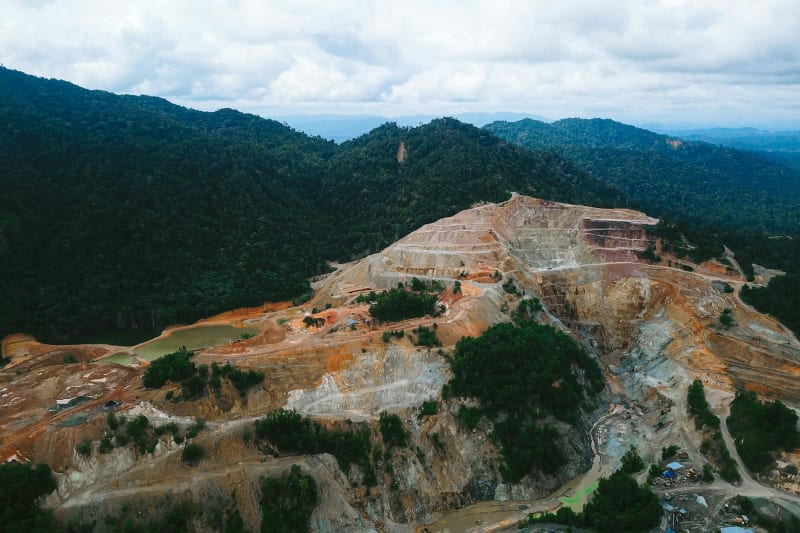
Examining the scale of the pledges against the backdrop of the magnate's industrial footprint is crucial. Billions generated from mining, often associated with significant environmental degradation, land disruption, and potential pollution, now fuel initiatives aimed at ecological restoration and climate mitigation. This juxtaposition demands a closer look at the specific projects being funded: are they truly transformative, addressing the root causes of environmental damage, or are they more symbolic gestures? The timing of these announcements also warrants attention, often coinciding with increased regulatory scrutiny, public pressure, or opportunities to shape future environmental policy and investment landscapes.
Furthermore, the global reach of both the mining operations and the philanthropic endeavors adds another layer of complexity. Projects are initiated in diverse ecological zones and socio-economic contexts, each presenting unique challenges and opportunities for impact. Evaluating the effectiveness necessitates considering local community engagement, long-term sustainability beyond initial funding, and the potential for unintended consequences. Without a thorough, independent assessment of these initiatives, it remains difficult to ascertain whether the magnate's green philanthropy represents a paradigm shift in corporate responsibility or a sophisticated strategy to manage reputational risk while capitalizing on new market opportunities.
Background
The magnate's journey began decades ago, building a formidable empire centered on the extraction of essential minerals and resources. Early ventures were characterized by aggressive expansion and a focus on maximizing output, often in regions with less stringent environmental regulations. This period saw the establishment of vast mining operations that, while contributing significantly to global supply chains and national economies, also left a considerable environmental legacy, including altered landscapes, resource depletion, and localized pollution concerns. The sheer scale of these operations necessitated significant capital investment and generated immense profits, laying the foundation for his current global influence and wealth.
As global awareness and regulatory frameworks surrounding environmental impact evolved, so too did the public perception and scrutiny of industries like mining. Faced with increasing pressure from environmental groups, investors, and the public, many resource giants began to explore avenues for mitigating their ecological footprint. It was within this evolving landscape that the magnate's philanthropic arm began to take shape, initially focusing on smaller-scale community projects and later escalating to more ambitious, globally recognized environmental initiatives. This shift appeared to coincide with a strategic re-evaluation of corporate social responsibility and the potential benefits of aligning business interests with environmental stewardship.
The establishment of the magnate's dedicated foundation marked a significant formalization of his commitment to environmental causes. This entity serves as the primary vehicle for disbursing funds towards conservation, renewable energy research, and sustainable development projects. The foundation's strategy often involves large-scale interventions, such as massive land restoration efforts and significant investments in clean energy infrastructure, aiming for measurable impact. This evolution from purely extractive business practices to substantial environmental philanthropy reflects a broader trend among industry leaders seeking to balance profit motives with a perceived need for ecological responsibility and legacy building.
Winners and Losers
The most apparent beneficiaries of this philanthropic surge are the environmental organizations and conservation projects receiving substantial funding. These groups, often resource-constrained, gain the financial capacity to undertake ambitious restoration, research, and advocacy initiatives that might otherwise remain unfunded. Furthermore, communities in areas targeted for ecological restoration or sustainable development projects could see tangible improvements in their local environments, potentially leading to enhanced biodiversity, cleaner air and water, and new economic opportunities. The magnate himself, and his associated businesses, stand to gain significantly from an enhanced public image, improved stakeholder relations, and potential preferential treatment in a world increasingly focused on sustainability metrics.
Conversely, the narrative of winners and losers is complex and contested. Critics argue that the primary 'losers' are the environment and the public trust, as these philanthropic efforts may serve to distract from the ongoing environmental damage caused by the core mining operations. The argument posits that significant investment in remediation and conservation is a necessary cost of doing business, not a charitable act, and that such pledges can be used to 'greenwash' an otherwise unsustainable business model. Furthermore, communities disproportionately affected by past or present mining activities might feel marginalized if the philanthropic focus does not directly address their specific historical grievances or ongoing environmental justice concerns.
The broader economic landscape also presents potential shifts. As the magnate invests in green technologies and sustainable ventures, traditional energy and resource sectors might face increased competition, potentially impacting established players. Investors, too, are navigating this changing terrain, with a growing preference for ESG (Environmental, Social, and Governance) compliant assets. While this magnate's diversification might create new market leaders and opportunities, it could also signal a decline in the long-term viability of purely extractive business models, forcing a broader industry reckoning with sustainability.
Analyst Perspectives
Environmental economists often view such large-scale philanthropic initiatives with a degree of cautious optimism, tempered by a demand for rigorous impact assessment. Dr. Anya Sharma, a leading expert in sustainable finance, notes, 'While the capital injection is significant and can catalyze crucial conservation work, the true measure of success lies in the long-term ecological and social outcomes, not just the dollar amount pledged. We need to see quantifiable improvements in biodiversity, carbon sequestration, and community well-being, independently verified.' She emphasizes that philanthropic funds should ideally complement, not replace, the industry's core responsibility to minimize its operational footprint and invest in cleaner extraction methods.
Corporate social responsibility (CSR) analysts highlight the strategic implications of such moves. 'This magnate is essentially investing in his legacy and future-proofing his brand,' states Mark Jennings, a veteran CSR consultant. 'In an era where ESG performance is increasingly scrutinized by investors, consumers, and regulators, demonstrating tangible environmental commitment is no longer optional. The challenge for him will be to ensure transparency and accountability, proving that these initiatives are not merely a public relations exercise but a fundamental shift in how his empire operates and is perceived.' Jennings also points out the potential for influencing policy through such visible actions.
Conservation scientists express a mix of hope and skepticism. Dr. Lena Petrova, a biodiversity specialist, comments, 'The scale of funding for habitat restoration is unprecedented and could make a real difference in critical ecosystems. However, we must remain vigilant. Are the projects addressing root causes of biodiversity loss, or are they merely cosmetic? True conservation requires systemic change, including policy reform and a fundamental rethinking of resource consumption patterns, which philanthropic gestures alone cannot achieve.' She stresses the importance of ensuring that the funded projects are scientifically sound and contribute to broader ecological resilience.

Key Questions Explained
The Outlook
The future trajectory of this mining magnate's environmental philanthropy will likely be closely watched as a barometer for corporate responsibility within the extractive industries. Continued investment in large-scale restoration and renewable energy projects, coupled with transparent reporting on measurable outcomes, could solidify his legacy as a transformative figure. However, any perceived disconnect between his philanthropic endeavors and the environmental practices of his core businesses will invite persistent scrutiny and skepticism, potentially limiting the long-term reputational benefits.
As global climate challenges intensify and regulatory pressures increase, the magnate's foundation may need to adapt its strategies, potentially focusing on more innovative solutions or addressing emerging environmental threats. The success of these initiatives will also depend on fostering genuine partnerships with local communities and ensuring that environmental justice is a central consideration. The long-term impact hinges not just on the volume of capital deployed, but on the quality and sustainability of the environmental outcomes achieved.
Ultimately, the magnate's green ventures represent a high-stakes gamble on the future of industry and planetary health. Whether this initiative heralds a genuine shift towards sustainable capitalism or remains a sophisticated strategy to navigate evolving public and investor expectations will be determined by the verifiable, long-term environmental and social dividends it generates. The coming years will reveal whether this ambitious philanthropic agenda translates into lasting positive change or becomes a cautionary tale in the complex relationship between industry, environment, and legacy.


















Comments
No comments yet. Be the first to comment!