

Key Takeaways
- Mumbai's renowned dabbawala system, a marvel of logistical precision, is confronting an unprecedented existential threat due to evolving urban lifestyles and technological integration.
- A declining workforce, coupled with the rise of remote work and food delivery apps, is rapidly eroding the customer base and operational capacity of this centuries-old tradition.
- The potential collapse of the dabbawala network signifies not just an economic loss but also the erosion of a unique cultural icon and a testament to human ingenuity in urban India.
- Efforts to modernize and adapt are underway, but the deep-seated changes in consumer behavior and the urban landscape present formidable challenges to their long-term survival.
- The story of the dabbawalas serves as a poignant case study on the impact of rapid modernization on traditional service industries and the cultural fabric of bustling metropolises.
- Preserving this legacy requires innovative solutions that balance technological adoption with the core values and operational principles that have defined the dabbawalas for generations.
Background
For over a century, Mumbai's dabbawalas have operated as a vital, almost invisible, circulatory system within the sprawling metropolis, delivering freshly cooked home meals to office workers with astonishing accuracy. This intricate network, born out of necessity and refined through generations of practice, relies on a unique coding system and an army of dedicated individuals who navigate the city's chaotic streets on bicycles and trains. The system's efficiency has garnered international acclaim, with studies highlighting its near-perfect error rate, a feat that often surpasses that of modern logistics companies. It represents a deeply ingrained cultural practice, connecting families through food and providing a reliable, affordable service that became indispensable for millions of Mumbaikars.
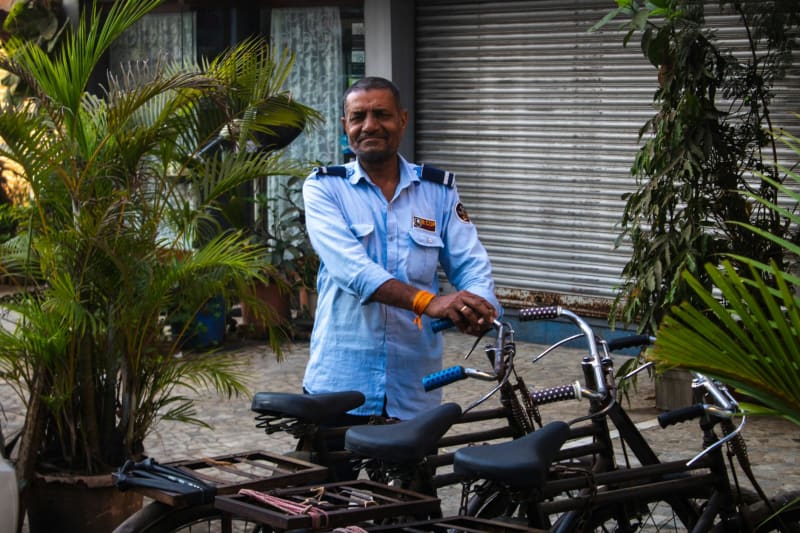
The origins of the dabbawala system can be traced back to the late 19th century, initially as a way for Parsi and Hindu office workers to receive home-cooked meals during the British Raj, a time when Westernized food was not readily accepted. Over the decades, the service expanded exponentially, adapting to the city's growth and becoming an integral part of Mumbai's daily rhythm. The dabbawalas, often from humble backgrounds, found not only employment but also a sense of community and purpose within this highly organized structure. Their iconic red and white caps and the distinctive tiffin carriers became synonymous with Mumbai's identity, symbolizing a blend of tradition, hard work, and an unparalleled commitment to service that has captivated the world's attention.
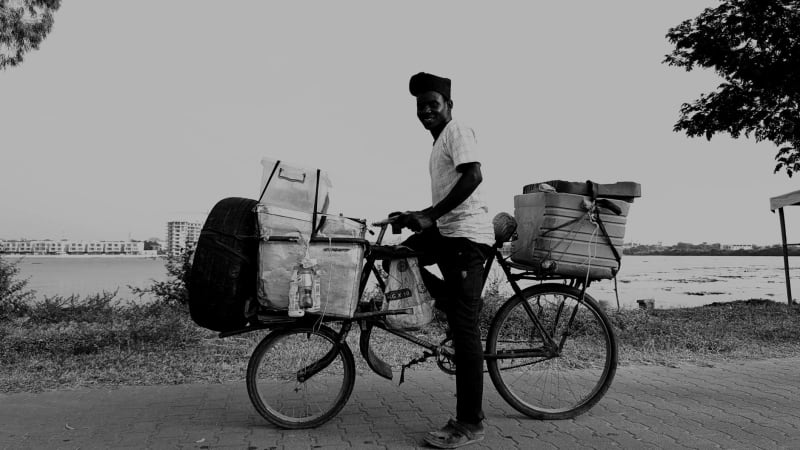
The operational model of the dabbawalas is a masterclass in decentralized coordination and human-powered logistics. Each dabbawala collects a set of tiffin boxes from various households in the morning, sorts them at a designated railway station, and loads them onto trains. At the destination station, another set of dabbawalas takes over, sorting the boxes again and delivering them to their respective offices. The empty boxes are then collected, sorted, and returned to their original homes by the afternoon. This complex, multi-layered process, managed without the aid of modern technology like GPS or sophisticated software, relies heavily on the collective memory, experience, and trust among the dabbawalas themselves, creating a resilient and remarkably efficient supply chain for a simple yet essential commodity: a midday meal.
Why It Matters
The potential decline of Mumbai's dabbawalas represents more than just the loss of a unique business model; it signifies the erosion of a deeply embedded cultural practice that has sustained families and nourished the city for generations. This system is a powerful symbol of human ingenuity, community reliance, and the enduring value of personal service in an increasingly impersonal world. Its collapse would mean the disappearance of a tangible link to Mumbai's past, a living museum of logistical prowess that has inspired admiration globally. The intricate dance of tiffin boxes across the city is a testament to the power of collective effort and a reminder that even in the age of automation, human connection and dedication hold immense value.
Economically, the dabbawalas provide a livelihood for thousands of individuals and their families, many of whom come from marginalized communities. The disruption of this system could lead to significant unemployment and economic hardship, exacerbating existing social inequalities within Mumbai. Furthermore, the dabbawalas offer an affordable and reliable alternative to modern food delivery services, catering to a segment of the population that may not be able to afford or access newer, tech-driven options. Their disappearance could leave a void in the market, potentially leading to increased costs for consumers and reduced access to convenient meal solutions for many working Mumbaikars.
Beyond the economic and cultural implications, the story of the dabbawalas serves as a critical case study for understanding the impact of rapid modernization on traditional industries. It highlights the challenges faced by long-standing service providers in adapting to technological advancements, changing consumer preferences, and evolving work environments. The potential obsolescence of such a time-tested system prompts crucial questions about how societies can balance progress with preservation, ensuring that valuable heritage is not sacrificed on the altar of innovation. The lessons learned from the dabbawalas' struggle are relevant to countless other traditional professions grappling with similar forces of change worldwide.
Ground Reality
The ground reality for Mumbai's dabbawalas is increasingly challenging, marked by a steady decline in both the number of active participants and the volume of tiffin boxes handled daily. The COVID-19 pandemic delivered a particularly harsh blow, accelerating trends that were already beginning to take their toll. With many offices adopting hybrid or fully remote work models, the demand for daily lunch deliveries has plummeted. This shift has directly impacted the earnings and stability of the dabbawalas, forcing many to seek alternative employment or face financial uncertainty. The very foundation of their business—daily office-bound commuters—has been significantly weakened, creating an immediate crisis.
Compounding the issue of reduced demand is a shrinking workforce. Younger generations are often less inclined to take up the physically demanding and relatively low-paying work of a dabbawala, especially when other, more modern employment opportunities are available. This demographic shift is creating a critical labor shortage within the established dabbawala networks. Experienced dabbawalas are retiring without sufficient replacements, leading to operational strain and making it harder to maintain the service's legendary efficiency. The recruitment and retention of new members are becoming significant hurdles that threaten the continuity of the system.
The rise of digital food delivery platforms presents another formidable challenge. Apps like Swiggy and Zomato offer convenience, variety, and often competitive pricing, attracting a significant portion of the urban workforce, particularly younger professionals. While these platforms operate on a different model, they directly compete for the same customer base. The dabbawalas, with their reliance on physical infrastructure and manual labor, find it difficult to match the technological sophistication and marketing reach of these app-based services. This technological disparity creates an uneven playing field, pushing customers towards newer, more digitally integrated solutions.
What Experts Are Saying
Logistics experts have long studied the dabbawala system as a remarkable example of low-tech, high-efficiency operations. Dr. Michael Porter, a renowned authority on business strategy, has cited the dabbawalas as a case study in competitive advantage derived from operational excellence and a deep understanding of customer needs. They highlight how the system's success lies in its simplicity, its reliance on human capital, and its ability to adapt through collective intelligence rather than technological overhaul. However, many now express concern that the very factors contributing to their past success—manual labor and a fixed delivery model—are precisely what make them vulnerable in the current digital age.
Sociologists and urban planners view the dabbawalas as a crucial element of Mumbai's social fabric and a symbol of its unique urban culture. They emphasize that the system's potential demise signifies a broader trend of cultural homogenization and the displacement of traditional livelihoods by globalized, technology-driven economies. Experts like Dr. Janaki Nair, a specialist in Indian urban studies, point out that the loss of the dabbawalas would represent a significant cultural void, diminishing the city's distinctiveness and the sense of community they foster. They advocate for preserving such heritage not just for sentimental reasons but for the valuable lessons they offer about sustainable urban living and social cohesion.
Business analysts specializing in the gig economy and traditional services often debate the adaptability of the dabbawala model. While acknowledging the system's inherent strengths, many believe that without significant innovation, its future is precarious. Some suggest exploring hybrid models that incorporate technology for better tracking or customer engagement, while others argue that the core appeal lies in its non-digital nature. The consensus among many is that the dabbawalas face an uphill battle against the tide of digital transformation, and their survival hinges on finding a strategic niche or a revolutionary adaptation that leverages their existing strengths without compromising their identity.
Frequently Asked Questions
What Happens Next
The future trajectory of Mumbai's dabbawalas hinges on their ability to strategically adapt to the evolving urban landscape and technological advancements. Immediate efforts are likely to focus on retaining their existing customer base by emphasizing reliability, affordability, and the personal touch that digital services cannot replicate. This may involve enhancing communication channels with customers, perhaps through basic digital platforms, to provide better service updates and manage orders more efficiently. The goal would be to reinforce their value proposition as a trusted, community-oriented service provider that understands the specific needs of Mumbai's workforce.
Diversification of services is another critical pathway forward. Dabbawalas could leverage their extensive network and logistical expertise to offer a broader range of delivery services beyond just lunch. This could include transporting documents, small parcels, or even acting as hyper-local delivery agents for small businesses. Exploring partnerships with local eateries or corporate offices for specialized meal plans or catering services could also provide new revenue streams. Such diversification would help mitigate the risks associated with a single-service model and create more resilient income opportunities for the dabbawalas.
Ultimately, the long-term survival of the dabbawala system may require a blend of tradition and innovation, potentially involving collaborations with technology firms or social enterprises. This could lead to the development of hybrid models that integrate digital tools for operational efficiency while preserving the core human element of their service. Securing institutional support, whether from government bodies, NGOs, or corporate social responsibility initiatives, will also be crucial for funding modernization efforts and providing a safety net. The challenge is immense, but the legacy of the dabbawalas suggests a capacity for resilience and adaptation that could yet see them navigate these turbulent times.
















Comments
No comments yet. Be the first to comment!