
At a Glance
- OpenAI reportedly considering legal action against Apple.
- Dispute centers on AI integration depth in Apple's OS.
- Reports surfaced June 14, 2024, detailing unmet expectations.
- Global implications for AI development and tech partnerships.
- Potential to reshape AI integration standards and collaborations.
The Record
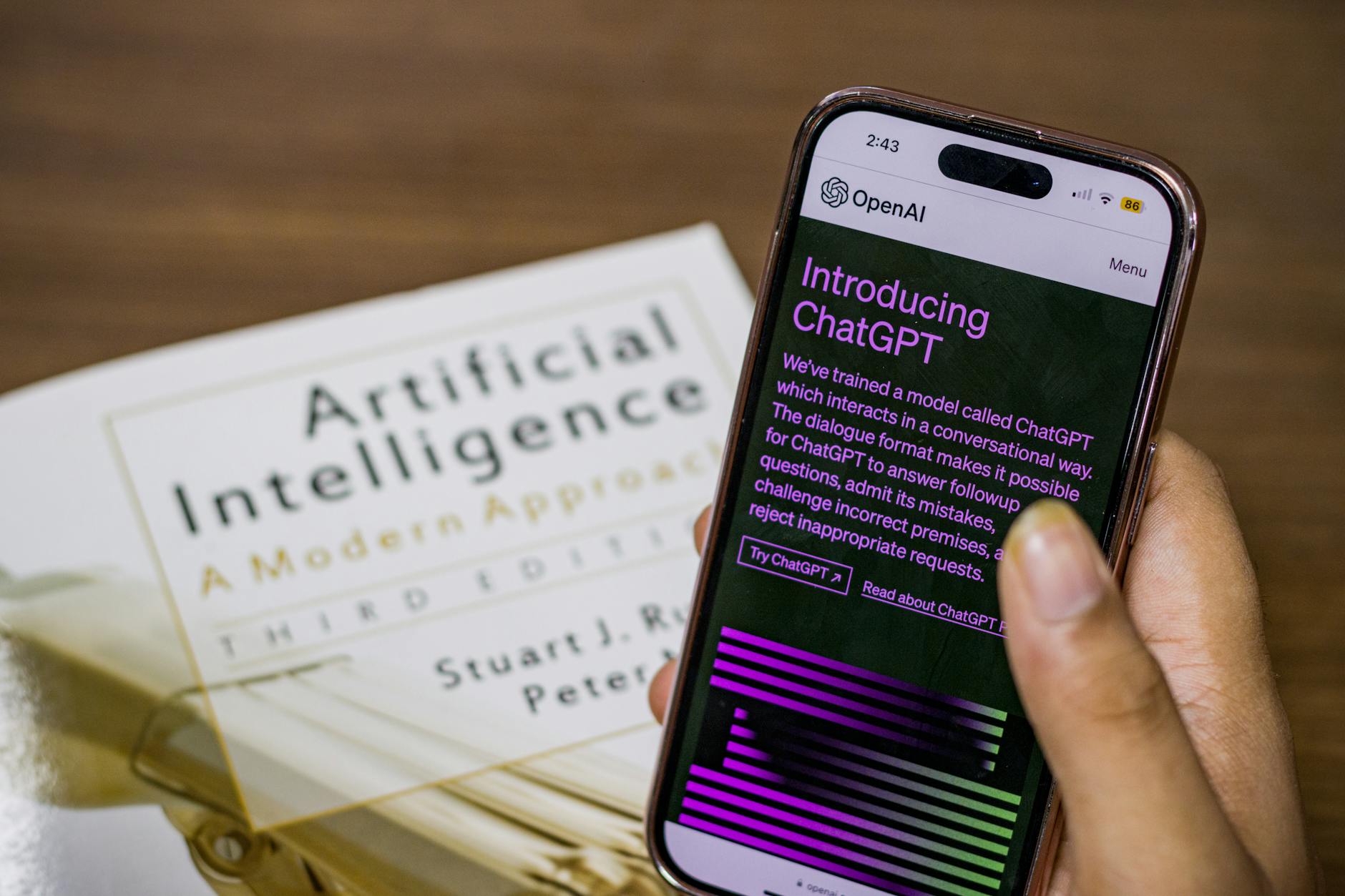
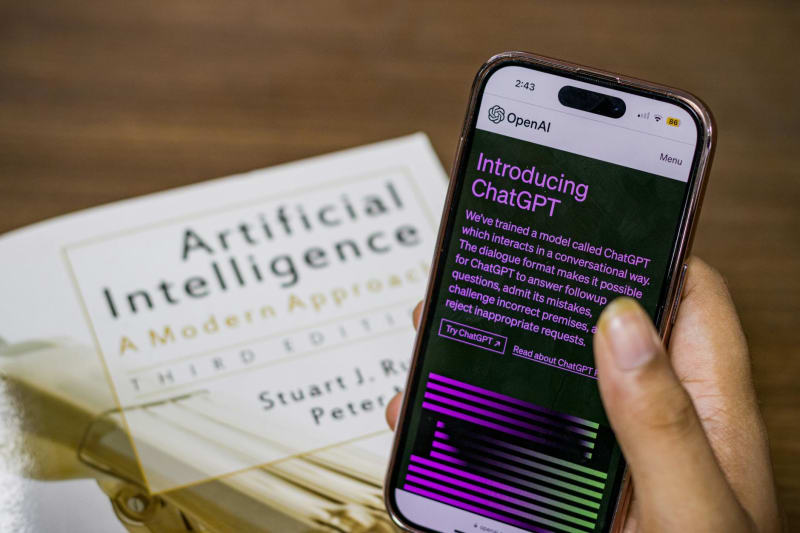
OpenAI is reportedly weighing legal action against Apple, according to reports surfacing Friday, June 14, 2024. The dispute centers on the perceived lack of deep integration of OpenAI's artificial intelligence models into Apple's operating systems, specifically iOS and macOS. Sources suggest OpenAI anticipated a more substantial embedding of its technology, such as ChatGPT, than what was showcased at Apple's recent Worldwide Developers Conference (WWDC). This divergence from OpenAI's expectations reportedly stems from disagreements over the scope and depth of their partnership, impacting OpenAI's ability to grow its subscriber base through Apple devices. The potential legal action, if pursued, could begin with a formal notice alleging contractual breaches, a development first detailed by Bloomberg.
While the specifics of the agreements between OpenAI and Apple remain confidential, the reported dissatisfaction indicates a significant misalignment. OpenAI's objective was reportedly to see its AI functionalities deeply interwoven with the user experience on millions of Apple devices, providing direct access and utility. Apple, however, appears to have opted for a more cautious approach, prioritizing on-device processing and user privacy, and integrating AI features through broader partnerships. The contrast between OpenAI's desired level of integration and Apple's executed strategy is the core of this burgeoning dispute.
Who Knew and When
Discussions within OpenAI regarding disappointment over the extent of Apple's AI integration have been underway for several weeks, escalating as Apple’s WWDC presentations unfolded in early June 2024. Senior figures at OpenAI, including CEO Sam Altman, were privy to these deliberations, giving the consideration of legal recourse a high-level endorsement. This timeline indicates that as Apple detailed its AI strategy—emphasizing its own silicon capabilities and privacy safeguards over deep third-party AI integration—pressure mounted within OpenAI.
Apple's executive team, including Craig Federighi, Senior Vice President of Software Engineering, and CEO Tim Cook, were undoubtedly aware of their chosen AI development path. Their focus on on-device intelligence and user privacy was a strategic decision. It remains unclear if Apple had advance notice of OpenAI's profound dissatisfaction or the potential for legal threats. The absence of any public acknowledgment or preemptive statement from Apple suggests they may have been caught off guard by OpenAI's reaction, or perhaps they interpreted their contractual obligations differently.
Voices from the Ground
For many users, the announcement felt less like a breakthrough and more like a step sideways. Sarah, a marketing manager in Chicago, expressed frustration. "I was hoping for a true AI copilot on my iPhone, something that could proactively help me manage my schedule or draft emails without needing to open a separate app. Apple's approach feels like an upgrade, sure, but not the revolution in usability I’d anticipated from integrating something as powerful as OpenAI’s tech." Her concern is that Apple's emphasis on security might come at the cost of user-level AI functionality, a perceived downgrade in practical application.
In contrast, David, a software developer in Austin, sees Apple's current direction as a win for data privacy. "I'm relieved they're not just handing over all our usage data to OpenAI. Having AI on the device means my conversations and queries stay with me. The integration is more subtle, yes, but for me, that's a trade-off worth making. I can still use ChatGPT when I need it, but I trust Apple more with my personal information than I would a third-party integration that requires constant cloud access."
The Debate
Supporters of OpenAI's stance argue that Apple has a contractual or at least an implied obligation to provide a deeper integration of OpenAI's AI capabilities. They contend that this is crucial for OpenAI to effectively compete and expand its user base, especially on the massive platform that is Apple’s ecosystem. The argument posits that a more profound embedding would allow users to access advanced AI features seamlessly, enhancing productivity and user experience across Apple devices. This, in turn, would foster innovation and competition in the AI sector.
Critics, however, counter that Apple is within its rights to prioritize its own technological vision, which emphasizes on-device processing and enhanced user privacy. They suggest that OpenAI's expectations might have been overly ambitious or that the partnership terms, while undisclosed, do not mandate the level of integration OpenAI desired. The debate also touches on the broader question of control: should AI development be driven by third-party desires for deep platform access, or by the platform provider's strategic priorities regarding user experience and security? What remains uncertain is the precise wording of any agreements and how a court or arbitrator would interpret "deep integration."
Your Questions Answered
What Accountability Looks Like
Genuine resolution would involve a clear and mutually agreed-upon framework for AI integration between OpenAI and Apple. This means not just legal pronouncements, but a transparent understanding of partnership terms that respects both companies' strategic goals. For users, accountability would look like clear communication about the capabilities and limitations of AI features, regardless of who powers them, and assurances that user data is handled ethically and securely.
This could manifest as revised partnership agreements that detail specific integration levels, data-sharing protocols, and revenue models. Alternatively, it might mean Apple openly explaining its strategic choices regarding AI, allowing users to make informed decisions about their device and software usage. The ultimate measure of accountability will be whether this dispute leads to more robust, transparent, and user-centric AI development across the tech industry, rather than a chilling effect on collaboration or innovation.














Comments
No comments yet. Be the first to comment!