
The Story in Brief
- The University of Pennsylvania is facing significant backlash and internal debate regarding its handling of controversial speech and the perceived impact of political pressure on academic freedom.
- Recent events have highlighted a growing tension between the university's commitment to open inquiry and the external forces seeking to influence discourse and administrative decisions.
- Concerns are mounting that a climate of fear and self-censorship is emerging, potentially hindering the free exchange of ideas essential for a thriving academic institution.
- The university administration's responses to these pressures are under intense scrutiny, with critics arguing that they have failed to adequately protect the principles of free expression.
- This situation raises profound questions about the role of political influence in higher education and the long-term implications for intellectual diversity and robust debate on campus.
- Stakeholders, including students, faculty, alumni, and external observers, are closely monitoring the university's actions and their potential to set precedents for other institutions grappling with similar challenges.
The Human Face of the Debate
The debate surrounding free expression at the University of Pennsylvania is not an abstract academic exercise; it directly impacts the daily lives and intellectual development of its students and faculty. Students often find themselves navigating a complex landscape where expressing certain viewpoints, even in academic settings, can lead to social ostracization or professional repercussions. This chilling effect discourages open dialogue and the exploration of challenging ideas, which are fundamental to higher education. Many feel a pressure to conform to prevailing campus norms, fearing that deviation could jeopardize their academic progress or future career prospects. The emotional toll of constantly self-monitoring and the anxiety of potential backlash create a stressful environment that detracts from the core mission of learning and discovery.
Faculty members, too, experience the weight of this climate shift. While many are committed to fostering robust debate, they often face the difficult task of moderating discussions while simultaneously protecting students from undue pressure or hostility. The fear of administrative reprisal or public condemnation for controversial topics can lead to a reluctance to engage with sensitive subjects, even when they are crucial for a comprehensive understanding of complex issues. This can result in a sanitized curriculum that avoids genuine intellectual friction, ultimately shortchanging students' educational experience. The pressure to avoid 'controversy' can inadvertently stifle critical thinking and the development of nuanced perspectives, pushing educators towards safer, less impactful pedagogical approaches.
Beyond the immediate campus community, alumni and donors also play a significant role, their engagement often tied to the university's reputation and perceived values. When controversies erupt, the university must balance the demands of various stakeholders, each with their own expectations and pressures. The challenge lies in upholding core academic principles while navigating these external influences. The human element is crucial: these are individuals whose beliefs, careers, and educational experiences are shaped by the environment Penn cultivates. The ongoing tensions underscore the vital need for leadership that can champion intellectual freedom and create a space where diverse ideas can be explored rigorously and respectfully, without fear of undue reprisal.
How We Arrived at This Juncture
The current climate at the University of Pennsylvania did not materialize overnight; it is the culmination of evolving societal debates and increasing political polarization that have permeated higher education institutions nationwide. Over the past decade, universities have become focal points for national discussions on identity, social justice, and political ideologies. This intensified scrutiny has brought external pressures to bear on campus policies and administrative decisions, particularly concerning speech and conduct. Donor influence, alumni engagement, and legislative oversight have all contributed to a more complex environment where institutional leaders must navigate a delicate balance between academic freedom and public expectations, often amplified by media attention.
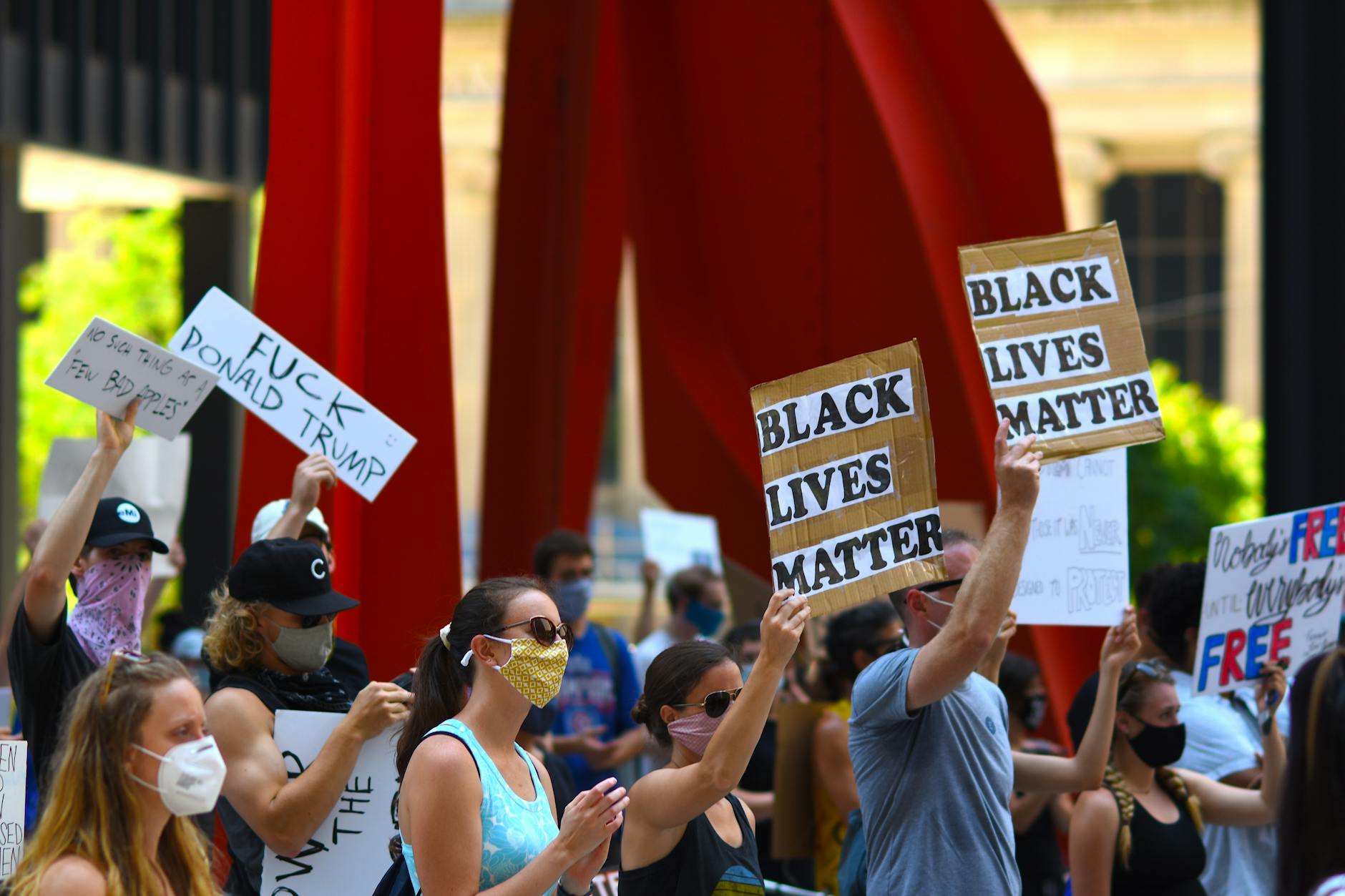
Specific incidents, often amplified by social media, have served as flashpoints, forcing the university to confront difficult questions about its commitment to free expression. These events, ranging from protests and demonstrations to debates over controversial speakers and curriculum content, have tested the boundaries of acceptable discourse. Each incident has drawn attention from national media outlets and political figures, increasing the stakes for the university's administration. The responses, or perceived lack thereof, to these events have often been met with criticism from various factions, leading to a cycle of heightened tension and demands for specific actions or policy changes.
The increasing politicization of university governance itself has also played a role. Board appointments, fundraising strategies, and even faculty hiring decisions can become subject to political considerations, creating an environment where decisions might be influenced by factors beyond purely academic merit or institutional mission. This trend can erode trust within the university community and foster a perception that external political agendas are taking precedence over the core values of open inquiry and intellectual exploration. Consequently, the university finds itself in a position where it must constantly justify its actions and reaffirm its commitment to its foundational principles in the face of mounting external pressures.
Why This Cannot Be Ignored
The erosion of free expression on college campuses poses a grave threat to the very foundation of higher education and democratic society. Universities are intended to be marketplaces of ideas, where challenging concepts can be debated, scrutinized, and refined. When political pressure leads to self-censorship or the suppression of certain viewpoints, this vital function is compromised. Students graduate without being exposed to a full spectrum of thought, ill-equipped to engage in the nuanced discourse required for a functioning democracy. This intellectual timidity can have long-lasting consequences, hindering innovation, critical thinking, and the ability to address complex societal problems effectively.
Furthermore, the perception that universities are succumbing to external political dictates undermines their credibility and public trust. If institutions of higher learning cannot uphold the principles of academic freedom and open inquiry, their role as independent centers of knowledge and critical thought is jeopardized. This can lead to a broader societal distrust in expertise and established institutions, making it harder to address critical issues that require informed public debate and evidence-based decision-making. The integrity of research, the quality of education, and the university's ability to serve as a catalyst for societal progress are all at risk.
The current situation at Penn, and potentially other institutions facing similar pressures, serves as a critical case study. The way universities navigate these challenges will set precedents for the future of academic freedom and the role of political influence in higher education. Failure to robustly defend these principles could embolden further attempts to control academic discourse, leading to a more conformist and less intellectually vibrant academic landscape. This is not merely an internal university matter; it is a critical issue with far-reaching implications for the health of intellectual life and democratic discourse across the nation.
Navigating the Path Forward
To counteract the chilling effects of political pressure and safeguard academic freedom, universities must proactively reaffirm their commitment to open inquiry and robust debate. This involves developing clear, transparent policies that protect free expression while also outlining standards for respectful discourse and addressing harassment. Leadership must consistently champion these principles, even when faced with criticism or controversy, demonstrating an unwavering dedication to the core values of higher education. Open communication channels between administration, faculty, and students are crucial for building trust and ensuring that diverse perspectives are heard and considered in policy development.
Investing in educational initiatives that promote civil discourse, critical thinking, and media literacy can equip students and faculty with the skills needed to engage with challenging ideas constructively. Workshops, training sessions, and curriculum integration focused on these areas can foster a campus culture where intellectual engagement is valued and practiced. Furthermore, establishing clear procedures for addressing complaints and conflicts related to speech and conduct, ensuring fairness and due process, can help mitigate anxieties and build confidence in the university's commitment to a balanced approach. Transparency in these processes is paramount.
Ultimately, fostering a resilient academic environment requires a collective effort from all members of the university community. This includes faculty who are willing to engage with difficult topics, students who are open to diverse viewpoints, and administrators who are committed to upholding academic freedom. By working together to create a culture that values intellectual rigor, respectful disagreement, and the free exchange of ideas, universities can strengthen their ability to withstand external pressures and fulfill their essential mission in society. The focus must remain on nurturing an environment where learning and discovery can flourish without fear.
Questions People Are Actually Asking
What to Watch
- Monitor upcoming board meetings and administrative announcements for any policy shifts or statements regarding academic freedom and campus speech guidelines.
- Observe how student government and faculty senates address these issues, as their resolutions and actions can signal internal sentiment and pressure points.
- Track media coverage and public statements from key political figures or advocacy groups targeting the university's policies on expression.
- Pay attention to any new incidents or controversies that arise on campus, and critically analyze the university's response and the public reaction.
- Look for potential changes in donor engagement or alumni fundraising trends that might indicate shifts in support related to the campus climate.
- Consider the outcomes of any formal reviews or investigations into the university's handling of speech-related incidents or policy adherence.
















Comments
No comments yet. Be the first to comment!