
What We Know
- Quantum computing company IonQ is currently facing intensified scrutiny from investors and regulatory bodies concerning its compliance with conflict minerals reporting requirements, specifically the use of tin, tantalum, tungsten, and gold.
- Reports indicate that IonQ's latest disclosures may not fully satisfy the stringent demands of the U.S. Securities and Exchange Commission (SEC) and other international regulations designed to prevent the financing of armed conflict through mineral extraction.
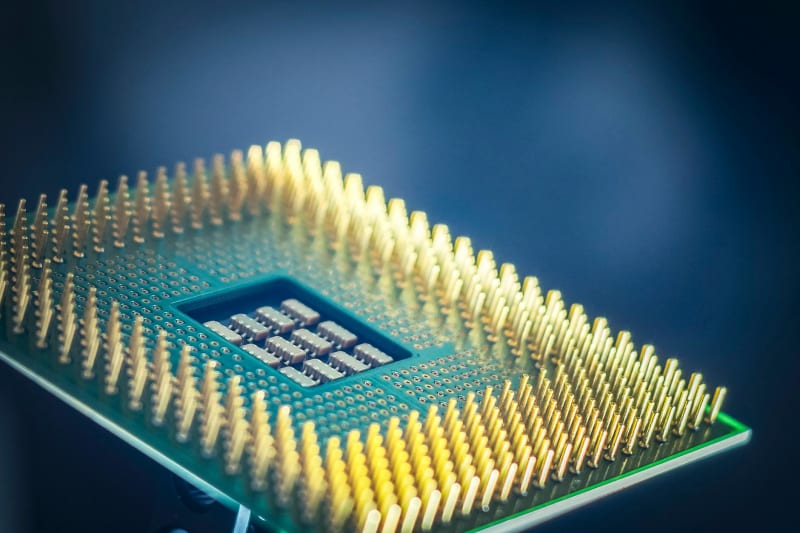
- The core of the concern revolves around the transparency and completeness of IonQ's supply chain audits, with stakeholders questioning whether the company has adequately traced the origin of these critical minerals used in its advanced quantum processors.
- While IonQ has publicly stated its commitment to ethical sourcing and compliance, the specific details and assurances provided in its recent filings have apparently fallen short of expectations, leading to a demand for more robust documentation and verification processes.
- This renewed focus on conflict minerals is particularly significant for a company operating in the high-stakes, rapidly evolving field of quantum technology, where supply chain integrity is paramount for both operational success and corporate reputation.
- The potential repercussions extend beyond mere regulatory penalties, encompassing reputational damage, investor confidence erosion, and possible disruptions to IonQ's manufacturing and development pipelines if supply chain issues are not swiftly and effectively addressed.
What We Do Not Know Yet
- The exact nature and extent of the deficiencies identified in IonQ's conflict minerals reporting remain unclear, leaving stakeholders uncertain about the specific areas requiring immediate remediation and the severity of the potential non-compliance.
- It is not yet known whether the issues stem from a lack of due diligence in tracing the origin of minerals, inadequate documentation of supplier audits, or a fundamental challenge in securing conflict-free sources for these essential materials.
- The specific regions or suppliers implicated in the potential conflict mineral sourcing are not publicly disclosed, making it difficult to assess the geographical scope of the problem and the potential geopolitical implications associated with the supply chain.
- The potential financial impact on IonQ, including the possibility of fines, sanctions, or increased operational costs associated with rectifying the reporting gaps, has not been quantified or publicly estimated by the company or regulatory bodies.
- The timeline for IonQ to rectify any identified reporting shortcomings and to provide satisfactory assurances of compliance is also unknown, creating a period of uncertainty for investors and partners who rely on the company's ethical operational standards.
- Furthermore, the broader implications for the quantum computing industry's reliance on global supply chains for rare earth elements and other critical minerals are not fully understood, potentially signaling a systemic challenge that other companies may also face.
Background
The issue of conflict minerals, primarily tin, tantalum, and gold, has been a significant concern for global industries and governments for over a decade. These minerals, often sourced from regions plagued by armed conflict and human rights abuses, particularly in the Democratic Republic of Congo and surrounding areas, have been used to finance brutal regimes and warlords. Recognizing the devastating impact, the U.S. Congress enacted Section 1502 of the Dodd-Frank Wall Street Reform and Consumer Protection Act in 2010, mandating that publicly traded companies report on their use of these minerals and conduct due diligence to determine if they originated from sources that finance conflict. This legislation aims to create transparency in complex global supply chains, encouraging companies to source responsibly and thereby reduce the flow of illicit funds to armed groups. The compliance burden falls heavily on companies, requiring them to map their supply chains, audit their suppliers, and report their findings to the Securities and Exchange Commission (SEC) annually, a process that is often intricate and resource-intensive, especially for companies with extensive and geographically dispersed supplier networks.
IonQ, a prominent player in the burgeoning field of quantum computing, has positioned itself at the forefront of technological innovation, developing advanced quantum processors based on trapped-ion technology. The company's progress in building scalable and fault-tolerant quantum computers has garnered significant attention and investment. However, like any advanced technology manufacturer, IonQ relies on a complex global supply chain for the specialized components and materials necessary for its sophisticated hardware. This includes not only the rare elements essential for quantum operations but also the more conventional, yet critical, materials like tin, tantalum, tungsten, and gold, which are integral to the fabrication and assembly of electronic systems. The intersection of cutting-edge technology and the ethical sourcing of raw materials presents a unique challenge for companies like IonQ, requiring them to balance rapid innovation with stringent compliance and corporate social responsibility mandates.
The current scrutiny faced by IonQ is not an isolated incident but reflects a broader trend of increased investor and public demand for corporate accountability regarding environmental, social, and governance (ESG) factors. As the financial world increasingly integrates ESG considerations into investment decisions, companies are under greater pressure to demonstrate robust ethical practices across their entire value chain. For technology firms, particularly those in nascent and capital-intensive sectors like quantum computing, maintaining a clean record on issues such as conflict minerals, carbon emissions, and labor practices is becoming as crucial as technological prowess. Failure to do so can result in significant reputational damage, loss of investor confidence, and potential regulatory sanctions, all of which could impede growth and market position. Therefore, the diligence IonQ applies to its conflict minerals reporting is a critical indicator of its overall commitment to responsible business operations.
Why It Matters
The integrity of IonQ's conflict minerals reporting is paramount because it directly impacts investor confidence and the company's valuation. In today's investment landscape, Environmental, Social, and Governance (ESG) factors are increasingly influencing capital allocation. Investors are scrutinizing companies not just for their financial performance but also for their ethical conduct and supply chain transparency. Any perceived shortcomings in compliance, especially concerning regulations designed to prevent the funding of armed conflict, can signal higher risks. This could lead to divestment by ESG-focused funds, increased borrowing costs, and a general reluctance from institutional investors to commit capital, thereby hindering IonQ's ability to fund its ambitious research and development efforts and scale its operations.
Furthermore, the issue touches upon the broader ethical responsibilities of technology companies operating in sensitive geopolitical contexts. Quantum computing holds the potential to revolutionize various sectors, but its development and deployment must be grounded in responsible practices. If a leading quantum firm like IonQ is found to be non-compliant or lacks transparency regarding conflict minerals, it could cast a shadow over the entire industry's commitment to ethical sourcing. This could lead to stricter regulations, increased public skepticism, and potentially impede the adoption of quantum technologies if perceived as ethically compromised, undermining the very progress the field aims to achieve.
Supply chain disruptions are another critical consequence. The minerals in question—tin, tantalum, tungsten, and gold—are essential components in the complex manufacturing processes of advanced electronics, including quantum processors. If IonQ faces sanctions, reputational damage, or direct supply chain issues stemming from non-compliance, it could disrupt its production schedules, delay product rollouts, and increase operational costs. This could give competitors an advantage and slow down the pace at which IonQ can deliver its groundbreaking technology to the market, impacting its competitive positioning and long-term viability in a rapidly evolving technological race.
Timeline of Events
- 2010: The U.S. Congress passes the Dodd-Frank Act, including Section 1502, which mandates that publicly traded companies conduct due diligence on the source of tin, tantalum, tungsten, and gold (3TG) in their products and report findings to the SEC to prevent financing conflict.
- Ongoing: Companies, including those in the technology sector, are required to file annual Conflict Minerals Reports (CMRs) detailing their efforts to trace the origin of 3TG minerals and their steps to ensure these minerals do not originate from conflict-affected regions.
- Recent Months: Increased investor and watchdog group pressure mounts on technology companies to enhance transparency and rigor in their conflict minerals reporting, driven by growing ESG awareness and concerns about supply chain ethics.
- Specific Reporting Period: IonQ, like other relevant companies, would have recently submitted its disclosures for a particular reporting year, covering the sourcing of minerals used in its quantum computing hardware during that timeframe.
- Current Period: Reports emerge indicating that IonQ's latest conflict minerals disclosures have come under renewed scrutiny, with stakeholders raising questions about their adequacy and completeness in meeting regulatory and ethical standards.
- Near Future: IonQ is expected to respond to these concerns, potentially by providing further clarifications, conducting additional due diligence, or implementing enhanced supply chain management practices to satisfy regulatory requirements and stakeholder expectations.

Rapid-Fire Q&A
What Is Coming
- IonQ is expected to issue a formal response to the recent scrutiny, likely detailing its position on the conflict minerals reporting and outlining any planned corrective actions or further investigations into its supply chain practices.
- Regulatory bodies, such as the SEC, may conduct their own reviews or investigations into IonQ's disclosures if they identify significant discrepancies or potential non-compliance with the conflict minerals rule, which could lead to formal inquiries.
- Investors and proxy advisory firms will closely monitor IonQ's actions and communications, potentially adjusting their ratings or recommendations based on the company's responsiveness and the perceived effectiveness of its remediation efforts.
- There is a possibility of increased pressure from activist shareholders or ESG advocacy groups demanding greater accountability and transparency, potentially leading to shareholder proposals or public campaigns focused on IonQ's ethical sourcing practices.
- IonQ may need to invest further in supply chain mapping technologies, third-party auditing services, and supplier engagement programs to ensure a more robust and verifiable conflict-free mineral sourcing strategy moving forward.
- The outcome of this situation could set a precedent for other quantum computing companies and advanced technology firms, influencing how they approach conflict minerals compliance and overall supply chain ethics in the future.















Comments
No comments yet. Be the first to comment!