

The Grim Statistics
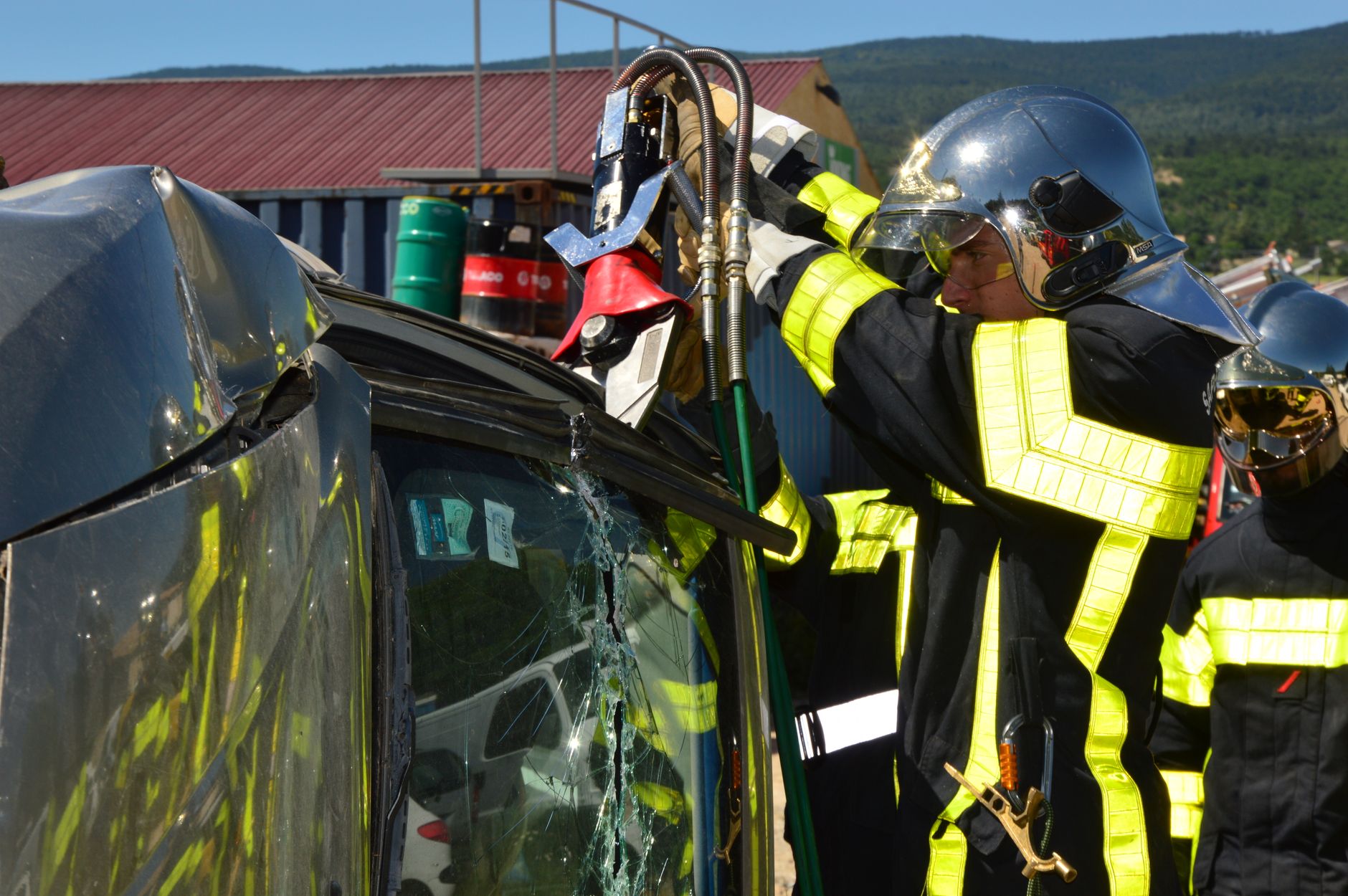
- One CBS employee tragically lost their life following a vehicle collision that occurred during the highly anticipated Memorial Championship event.
- Emergency services were dispatched immediately to the scene of the accident, arriving within minutes to provide critical aid and secure the area.
- The exact number of vehicles involved in the crash has been confirmed as two, with one sustaining severe damage leading to the fatality.
- Initial reports indicate that the accident took place on a public roadway adjacent to the tournament grounds, raising questions about traffic management.
- The victim's identity is being withheld pending notification of next of kin, a standard procedure in such sensitive and tragic circumstances.
- Investigations into the cause of the collision are actively underway, involving local law enforcement and potentially event safety officials to determine contributing factors.
Context Check
The Memorial Championship, a prestigious event on the professional golf circuit, draws significant crowds and media attention annually. This year's tournament was no exception, with thousands of spectators, athletes, and support staff converging on the venue. The accident occurred amidst this bustling atmosphere, underscoring the complex logistical challenges of managing large-scale events. While the focus is typically on the athletic competition, such incidents serve as a stark reminder of the inherent risks associated with public gatherings, including traffic-related hazards that can extend beyond the immediate event perimeter. The proximity of the crash to the tournament grounds necessitates a thorough examination of how external factors might impact event safety and attendee well-being.
The involvement of a CBS employee highlights the deep integration of media personnel within major sporting events. These individuals are crucial for broadcasting the competition, but their presence also adds another layer of complexity to event management and security. Their movements, often requiring access to various areas and sometimes involving travel between locations, must be carefully considered within the overall safety plan. The tragic loss of life in this instance prompts a re-evaluation of the protocols in place to protect all individuals associated with the event, not just participants and spectators. It raises questions about whether existing safety measures adequately account for the diverse roles and movements of all personnel involved.
The timing of the accident, occurring during the championship, amplifies the impact of the news. Such events are usually associated with celebration and athletic achievement, making a fatality a particularly jarring and somber development. The contrast between the festive atmosphere expected at a major sporting event and the grim reality of a fatal accident creates a profound sense of unease. This juxtaposition forces a critical look at the assumptions made about safety and security at such venues and during such times. It compels organizers and stakeholders to consider the full spectrum of potential risks, including those that may seem less probable but carry devastating consequences when they do occur.
Background of the Event
The Memorial Championship has a storied history, established as a premier event that attracts top golfers from around the globe. Held annually, it is renowned for its challenging course layout and its significant contributions to charitable causes, often benefiting local community initiatives and the broader golf ecosystem. The event typically commands substantial viewership, both in person and through extensive media coverage, including that provided by networks like CBS. The prestige associated with the tournament means that meticulous planning goes into every aspect, from player accommodations and course preparation to spectator services and security. However, the scale of operations and the sheer volume of people involved create an environment where unforeseen incidents, tragically, can still occur despite best efforts.
CBS, as a long-standing broadcast partner, plays an integral role in bringing the Memorial Championship to a national and international audience. Their production crews, including camera operators, technicians, and on-air talent, work tirelessly behind the scenes and on-site to deliver comprehensive coverage. This involves extensive logistical coordination, including transportation, accommodation, and access to various parts of the venue and surrounding areas. The employee involved was part of this critical infrastructure, contributing to the network's ability to showcase the event's highlights and narratives. The tragic accident underscores the risks faced by all personnel who facilitate the broadcasting of major sporting events, often working long hours in dynamic environments.
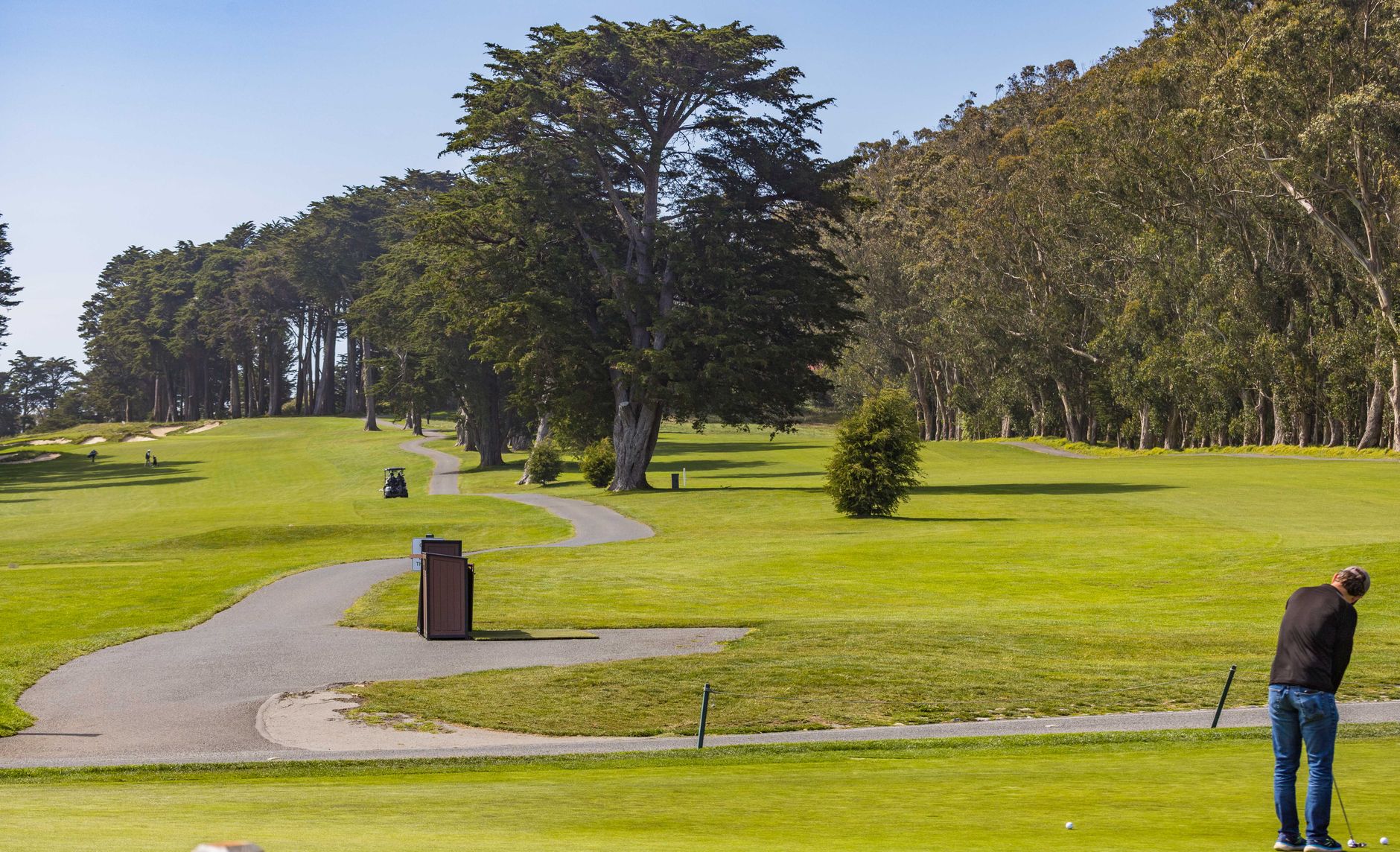
The location of the Memorial Championship is typically a well-established golf course known for its demanding design and scenic beauty. While the course itself is the primary focus, the surrounding infrastructure, including access roads, parking facilities, and nearby communities, becomes part of the event's operational footprint. Traffic management is a perennial challenge for such events, requiring coordination between local authorities and event organizers to ensure smooth ingress and egress for attendees and staff. Accidents on public roads near event venues are not uncommon during periods of high traffic volume, and this incident tragically illustrates the potential consequences when such events intersect with the daily lives of those working to make the championship a success.
Impact and Consequences
The most profound loss is undoubtedly that of the CBS employee, whose life was tragically cut short. Their family and colleagues are left to grapple with an immense void, a stark reminder of the human cost that can accompany even seemingly routine professional duties. Beyond the immediate personal tragedy, this incident casts a somber shadow over the Memorial Championship itself. The celebratory atmosphere is inevitably dampened, and the focus shifts from athletic achievement to a devastating loss. For the organizers and broadcasters, there is the potential for reputational impact, as questions may arise regarding safety protocols and incident management, even if the accident occurred off-site.
While the primary focus is on the tragic loss of life, the incident also impacts the broader narrative surrounding the Memorial Championship. The event, usually celebrated for its sporting excellence and charitable contributions, now carries the weight of this unfortunate accident. This could lead to increased scrutiny of safety measures for future events, potentially resulting in more stringent regulations or increased operational costs for organizers. Spectators and participants alike may experience heightened awareness of potential risks, influencing their perception of event security. The media coverage itself, while reporting on the tragedy, will inevitably shape public understanding of the event's overall safety environment.
In the immediate aftermath, the investigation into the cause of the crash becomes a critical factor. Law enforcement agencies will work to determine fault, which could lead to legal ramifications for any parties deemed responsible. This process can be lengthy and complex, involving detailed analysis of evidence, witness testimonies, and potentially accident reconstruction. The outcome of this investigation will not only bring closure to those affected but also inform future safety recommendations and potentially influence insurance liabilities for event organizers and associated companies like CBS. The pursuit of truth and accountability is paramount in preventing similar tragedies.
Safety and Logistics Analysis
Event safety management is a multifaceted discipline that extends far beyond the confines of the competition venue. Experts emphasize that comprehensive planning must account for all potential risks, including traffic management on surrounding roadways, especially during peak ingress and egress periods. The integration of broadcast crews, with their unique logistical needs and schedules, requires specific protocols to ensure their safety without impeding event operations. A critical review of post-incident response procedures is also vital; the speed and effectiveness of emergency services can significantly influence outcomes. This incident underscores the need for robust communication channels between event organizers, local law enforcement, and transportation authorities to proactively identify and mitigate potential hazards.
The role of broadcast partners like CBS in major sporting events introduces specific considerations for safety planning. These organizations often operate with tight deadlines and require access to sensitive areas, necessitating clear guidelines and designated routes. Safety professionals highlight the importance of risk assessments that specifically address the movement patterns and operational requirements of media personnel. Furthermore, the development of contingency plans for various scenarios, including medical emergencies and accidents, is crucial. This involves ensuring adequate first-aid facilities, trained personnel, and clear evacuation procedures, not only within the venue but also for personnel operating in off-site support roles.
Logistics experts point out that large-scale events inherently create traffic congestion, which elevates the risk of vehicular accidents. Effective traffic management strategies, including the deployment of traffic control personnel, clear signage, and real-time monitoring, are essential to mitigate these risks. The coordination between event organizers and municipal traffic departments is paramount. In cases where accidents occur near event venues, the ability of emergency services to navigate through potentially congested routes swiftly is a critical factor. This tragedy serves as a somber case study, prompting a review of whether existing traffic control measures were adequate and if communication protocols between event staff and external emergency responders were sufficiently robust.
Key Questions Explained
Looking Ahead
The immediate future will be dominated by the ongoing investigation into the fatal crash. Law enforcement agencies will meticulously work to determine the sequence of events and identify any contributing factors, whether related to driver error, vehicle malfunction, or road conditions. The findings of this investigation will be crucial not only for accountability but also for informing future safety protocols. Event organizers, CBS, and relevant authorities will likely conduct their own internal reviews to assess the adequacy of existing safety measures and identify areas for improvement, particularly concerning traffic management and the safety of personnel operating in and around event venues.
In the longer term, this tragedy could serve as a catalyst for enhanced safety standards at major sporting events nationwide. The incident may prompt a more rigorous examination of traffic management plans, communication protocols between event staff and external emergency services, and the specific safety needs of broadcast crews and other support personnel. It is probable that organizers will implement stricter guidelines and potentially invest in advanced safety technologies or personnel training to mitigate risks. The goal will be to ensure that such devastating accidents are prevented, allowing events to proceed safely and without overshadowing the intended spirit of competition and celebration.
The memory of the CBS employee lost will undoubtedly remain a somber reminder for all involved in future events. While the professional world moves forward, the human element of such incidents cannot be forgotten. This tragedy underscores the importance of valuing and protecting the lives of every individual contributing to the success of large-scale productions. It is hoped that the lessons learned from this unfortunate event will translate into tangible improvements in safety practices, ensuring that the focus remains on the spectacle of sport while prioritizing the well-being of everyone involved.
















Comments
No comments yet. Be the first to comment!