
The Story in Brief
- The recent release of Donald Trump's latest physical examination results has reignited public and political discourse concerning the health and longevity of presidential candidates and officeholders.
- This disclosure prompts a critical examination of the current state and capacity of urgent care systems across the nation, highlighting potential strains and resource allocation challenges.
- Discussions are emerging about the transparency of health information for public figures and its influence on voter perception and national security considerations.
- Experts are weighing in on the implications of an aging candidate pool and the rigorous demands placed upon the healthcare infrastructure to support leaders throughout their terms.
- The findings from the examination are being dissected to understand their potential impact on future policy decisions related to healthcare access, public health initiatives, and emergency preparedness.
- This event serves as a crucial moment to assess the public's right to know about a leader's health versus the individual's right to privacy, particularly in high-stakes political environments.
The Human Face
The release of Donald Trump's recent physical examination report has undeniably placed a spotlight on the personal health of political leaders, transforming a routine medical check-up into a subject of intense public scrutiny and debate. This heightened attention underscores a broader societal fascination with the physical well-being of those in positions of power, particularly when they are seeking or holding the highest office in the land. Voters often project their hopes and concerns onto candidates, and a leader's perceived health can significantly influence perceptions of their stamina, cognitive ability, and overall fitness for the demanding role of the presidency. The details, or even the perceived lack thereof, in such reports can fuel speculation and shape narratives, impacting electoral outcomes and public trust. This phenomenon is not unique to Trump; the health of presidents and presidential candidates has historically been a topic of considerable public interest, often influencing campaign strategies and voter decisions.
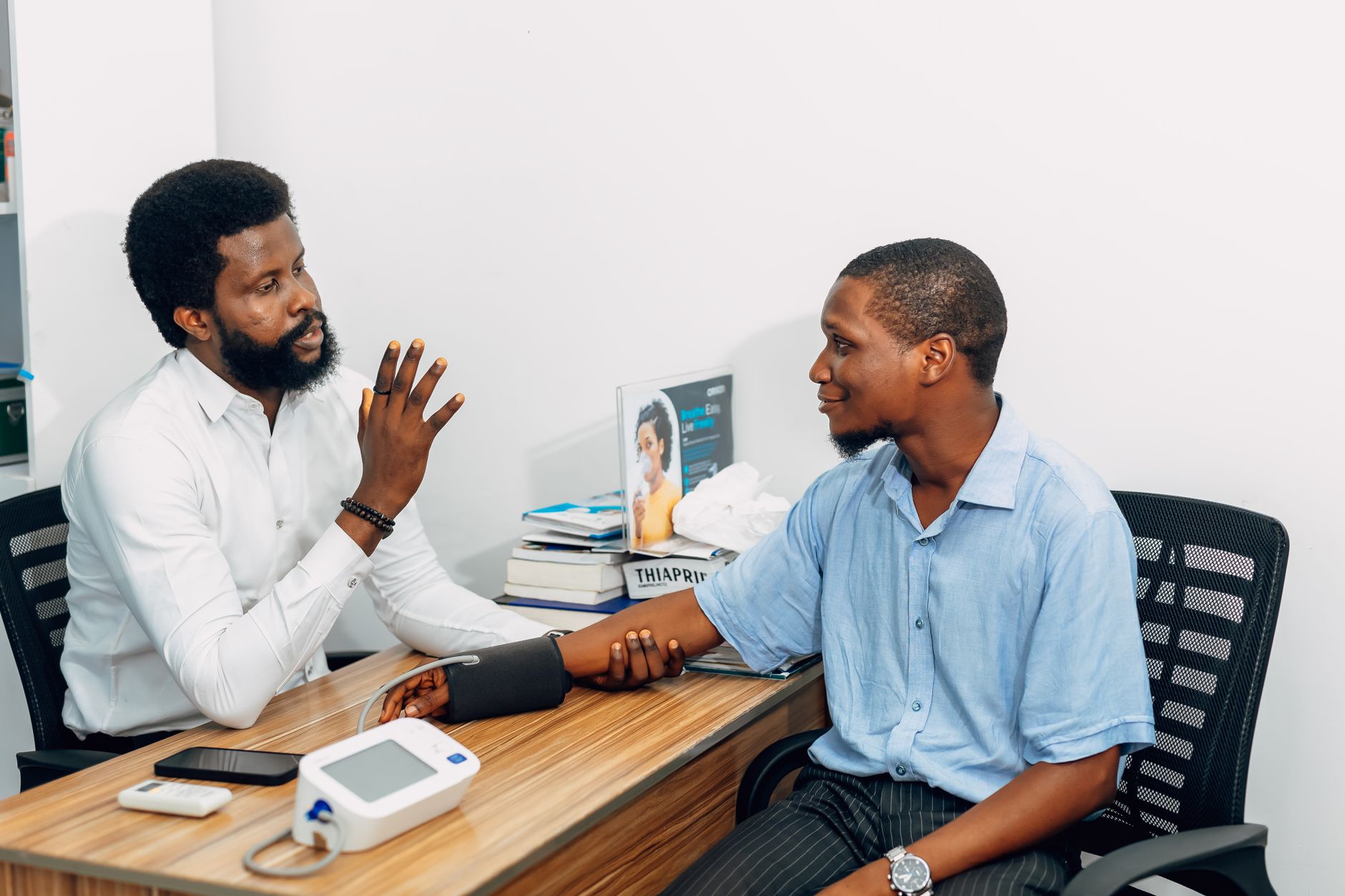
Beyond the immediate political implications, these health disclosures touch upon the deeply personal aspect of aging and health maintenance, resonating with individuals across all demographics who grapple with similar concerns in their own lives. The aging process brings inevitable health challenges, and seeing public figures navigate these while under immense pressure can offer a relatable, albeit high-profile, perspective. It prompts reflection on how individuals manage their health, access care, and maintain vitality as they advance in years. The transparency surrounding a public figure's health can serve as an unintentional catalyst for conversations about preventative care, the importance of regular medical assessments, and the societal support systems available for health management. It humanizes leaders by revealing their vulnerabilities, reminding the public that they too are subject to the universal experiences of health and aging.
The specific findings within Trump's report, such as his weight and cholesterol levels, while medically specific, become amplified through the lens of political discourse, raising questions about lifestyle choices and their long-term consequences for leadership. These details, often simplified or sensationalized in media coverage, can inadvertently influence public opinion on a candidate's discipline and self-care habits. The narrative surrounding a leader's health is complex, intertwining medical facts with political narratives, personal anecdotes, and societal expectations. This intersectionality makes it challenging to separate objective health data from subjective interpretations, yet it is precisely this complex interplay that shapes public perception and influences the broader conversation about leadership fitness and the demands of the presidency.
How We Got Here
The tradition of releasing presidential and candidate health records is a relatively modern development, evolving over decades in response to public demand for greater transparency. Historically, leaders often kept their health conditions private, leading to speculation and sometimes significant public concern, especially during times of crisis. Presidents like Franklin D. Roosevelt, who suffered from polio, managed to keep the full extent of his disability from the public for much of his presidency, a stark contrast to today's expectations. The increased media scrutiny and the public's desire to know if leaders are physically and mentally capable of handling the immense pressures of the office have driven this shift. Each release of a health report, from Reagan's to Trump's, has contributed to establishing a precedent and shaping public expectations for future candidates and presidents.
Donald Trump's health has been a recurring topic of discussion throughout his public life, amplified significantly during his presidency and subsequent political campaigns. His physical examinations have consistently drawn attention, with media outlets and political opponents dissecting every detail. The specific nature of his medical reports, including metrics like weight, cholesterol, and medication lists, have been presented to the public, often accompanied by physician statements. This consistent release of information, while fulfilling a perceived public duty, has also created a cycle where each subsequent examination becomes an event, subject to intense analysis and often partisan interpretation, regardless of the actual medical findings.
The current healthcare landscape, characterized by an aging population and increasing demands on medical services, provides a critical backdrop to these discussions. The nation's urgent care system, in particular, faces significant challenges, including staffing shortages, overcrowding, and the need to manage a growing volume of non-emergency cases that could potentially be handled in primary care settings. When a prominent figure's health is scrutinized, it inevitably draws attention to the broader healthcare system's capacity and efficiency. The public's awareness of these systemic issues, coupled with the high-profile nature of presidential health, creates a confluence of concerns that highlight the interconnectedness of individual well-being and national healthcare infrastructure.
Why This Cannot Be Ignored
The health status of a nation's leader is not merely a personal matter; it carries profound implications for national security, economic stability, and global diplomacy. A leader experiencing significant health challenges could face diminished capacity to make critical decisions under pressure, potentially jeopardizing national interests during times of crisis. The perception of a leader's physical and mental fortitude can also influence international relations, affecting how allies and adversaries perceive the strength and resolve of the United States. Furthermore, the demands of the presidency are immense, requiring sustained energy, sharp cognitive function, and resilience, making a leader's health a critical factor in their ability to effectively govern and represent the nation on the world stage.
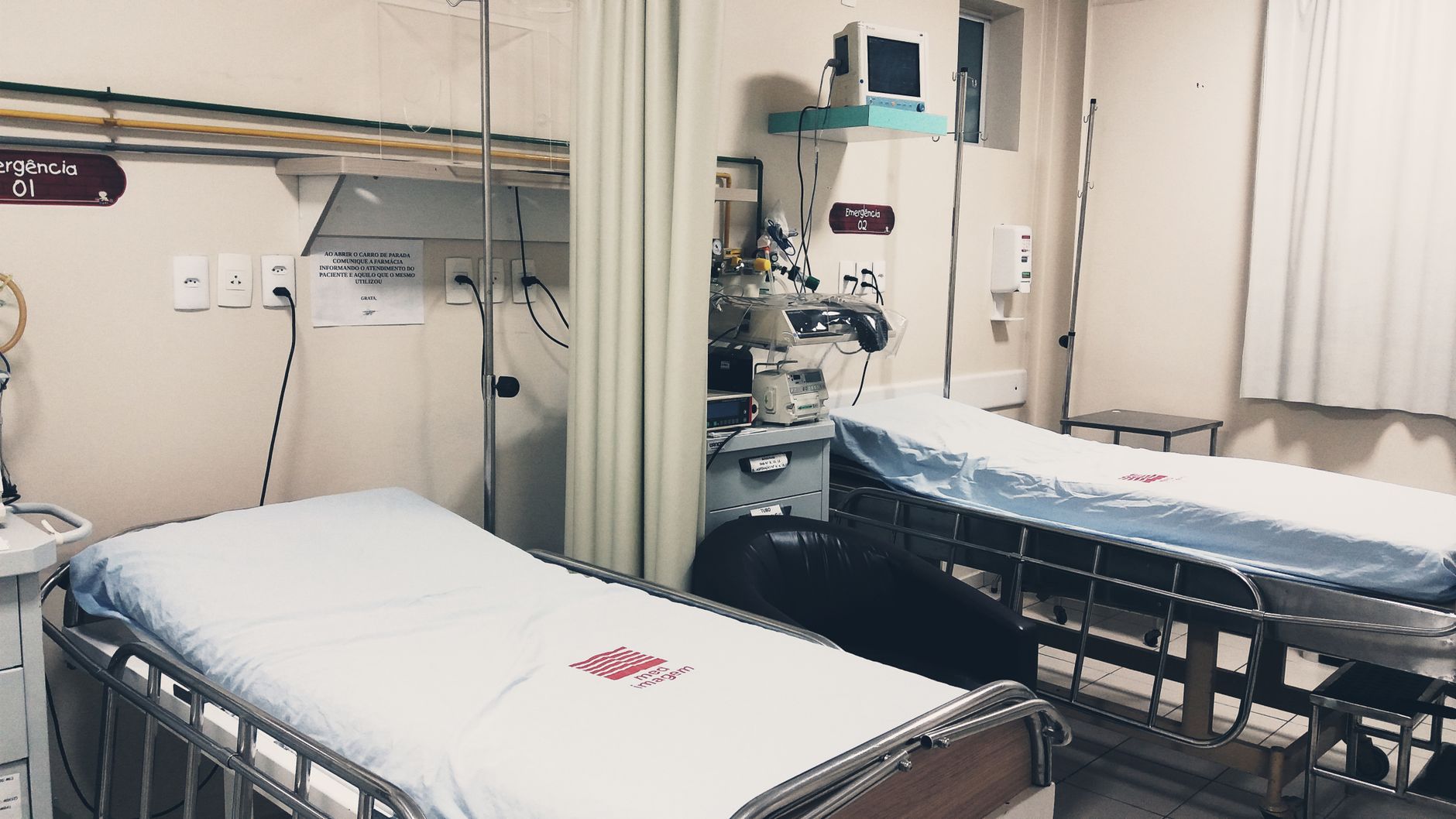
This focus on presidential health inevitably shines a light on the broader healthcare system, particularly the strain on urgent care facilities. As populations age and chronic conditions become more prevalent, the demand for accessible and timely medical services escalates. Urgent care centers often serve as a crucial first point of contact for many, but they can become overwhelmed by patient volume, leading to longer wait times and potentially impacting the quality of care for both urgent and non-urgent cases. The conversation surrounding a high-profile individual's health can serve as a powerful, albeit indirect, reminder of the systemic pressures facing healthcare providers and the critical need for robust infrastructure, adequate staffing, and efficient resource allocation to meet the diverse health needs of the entire population.
The transparency, or lack thereof, surrounding the health of public figures sets a precedent for accountability and public trust. When citizens are asked to place their faith and their votes in individuals who will wield significant power, understanding their physical and mental capabilities becomes paramount. The release of health information, while sometimes controversial, serves as a mechanism for voters to make informed decisions. It fosters a dialogue about the standards we expect from our leaders and the importance of maintaining a healthy populace capable of engaging in civic life. Ignoring these discussions risks eroding public confidence and diminishing the informed participation necessary for a healthy democracy.
Possible Paths Forward
Enhancing the transparency and standardization of health disclosures for presidential candidates and officeholders could be a crucial step forward. This might involve establishing clearer guidelines on what information should be released, by whom, and at what frequency, ensuring a more consistent and comparable baseline for public assessment. Implementing a non-partisan medical review board, composed of leading physicians, could provide objective evaluations of candidates' health, mitigating the politicization of medical reports. Such a body would offer credible assessments, helping the public discern factual health information from politically motivated narratives, thereby strengthening informed decision-making during elections and throughout a leader's term.
Addressing the systemic pressures on the urgent care system requires a multi-faceted approach. This includes investing in primary care to manage chronic conditions effectively and reduce unnecessary visits to urgent care, alongside initiatives to bolster the workforce through training and retention programs. Furthermore, exploring innovative care delivery models, such as telemedicine and community-based health centers, can help distribute patient load and improve access. Public health campaigns promoting preventative care and healthy lifestyles can also alleviate long-term demand on emergency and urgent care services, creating a more resilient and responsive healthcare infrastructure for all citizens.
Fostering a more informed public discourse around health and leadership is essential. This involves encouraging media outlets to report on health matters responsibly, focusing on factual medical information and expert analysis rather than sensationalism. Educational initiatives that explain the complexities of aging, health conditions, and the demands of public office can empower citizens to critically evaluate candidates' health information. By promoting health literacy and a nuanced understanding of leadership requirements, society can move towards a more mature and productive conversation about the physical and mental well-being of its leaders.

Questions People Are Actually Asking
What to Watch
- Monitor any further medical updates or clarifications regarding Donald Trump's health status and how they are presented to the public and interpreted by political analysts.
- Observe how the discourse around presidential health evolves in subsequent election cycles and whether new precedents for transparency are set by future candidates.
- Track legislative or policy discussions aimed at strengthening the urgent care system, addressing healthcare access, or improving preventative care initiatives nationwide.
- Pay attention to expert opinions from medical professionals and public health officials regarding the long-term health implications for leaders in demanding roles.
- Note any shifts in public opinion or voter priorities concerning the health and age of political candidates as campaigns progress.
- Examine the impact of these health discussions on the broader conversation about healthcare accessibility, affordability, and the overall capacity of the U.S. medical infrastructure.













Comments
No comments yet. Be the first to comment!