


Key Takeaways
- 4K projectors deliver a truly cinematic experience with unparalleled screen size and immersion that traditional TVs struggle to match, transforming any room into a private theater.
- Beyond sheer size, modern 4K projectors boast vibrant colors, deep contrasts, and sharp details, rivaling or even surpassing high-end television displays for a superior visual feast.
- While initial costs might seem higher, the long-term value proposition of a 4K projector, especially considering the potential for massive screen real estate, presents a compelling argument for home entertainment enthusiasts.
- Installation flexibility allows projectors to be placed strategically, avoiding the visual dominance of a large black rectangle on the wall when not in use, maintaining a cleaner aesthetic.
- The immersive quality of a large projected image enhances everything from blockbuster movies and live sports to gaming, creating a captivating environment that pulls viewers directly into the action.
- Technological advancements in brightness, contrast ratios, and smart features are rapidly closing the gap with TVs, making 4K projectors a viable and often superior alternative for dedicated home cinema setups.
Background
The evolution of home entertainment has been a relentless pursuit of larger, more immersive, and higher-quality viewing experiences. For decades, televisions have been the undisputed centerpiece of living rooms, steadily increasing in size and resolution. However, the advent and refinement of 4K projection technology have introduced a formidable challenger. Projectors, once relegated to dedicated dark rooms or business presentations, are now emerging as sophisticated devices capable of transforming ordinary spaces into extraordinary cinematic venues. This shift is driven by significant advancements in imaging technology, including laser light sources, improved color accuracy, and enhanced brightness levels, making them competitive with, and in many ways superior to, even the most advanced flat-panel displays. The ability to create a screen size measured in feet rather than inches offers a fundamentally different level of immersion that flat-screen TVs simply cannot replicate without becoming prohibitively large and expensive.
Historically, projectors faced limitations such as the need for complete darkness, cumbersome setup, and relatively high costs for acceptable image quality. Early home projectors often struggled with brightness, requiring users to meticulously control ambient light, a significant hurdle in typical living room environments. Furthermore, bulb life was a concern, necessitating periodic replacements that added to the overall expense. Resolution was also a bottleneck, with many models offering only HD or lower, failing to deliver the crispness expected by discerning viewers. The rise of digital imaging, particularly DLP and LCoS technologies, coupled with the widespread adoption of 4K resolution standards, has dramatically altered this landscape. Today's 4K projectors offer vastly improved brightness, extended lifespan through LED or laser illumination, and vibrant, accurate color reproduction, making them far more practical and appealing for everyday home use, even in rooms with some ambient light.
The core appeal of a projector lies in its ability to create a screen of virtually any size, limited only by the physical dimensions of the room and the projector's throw ratio. This scalability is a game-changer for creating a true cinematic feel. While a 75-inch or even 85-inch TV is considered large, a projector can easily create a 100-inch, 120-inch, or even larger image, enveloping the viewer in the content. This vast canvas is particularly impactful for movies, sports, and gaming, where the scale enhances realism and engagement. Coupled with the increasing affordability of 4K resolution, which offers four times the pixels of Full HD, viewers can enjoy incredibly detailed and sharp images, even on these massive screens. This combination of immense size and high resolution is what sets projectors apart, offering a unique value proposition for those prioritizing an immersive home theater experience.
Why It Matters
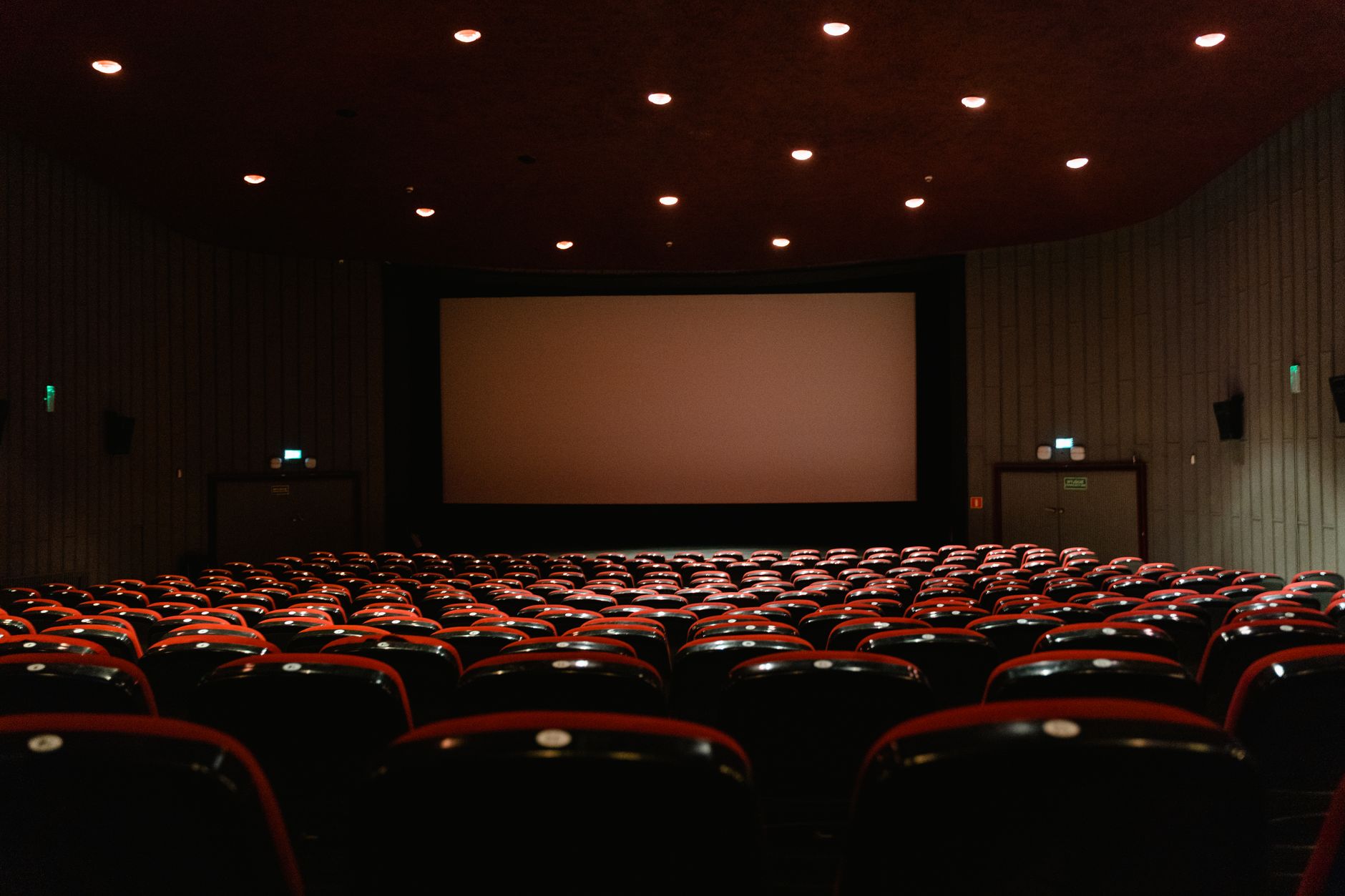
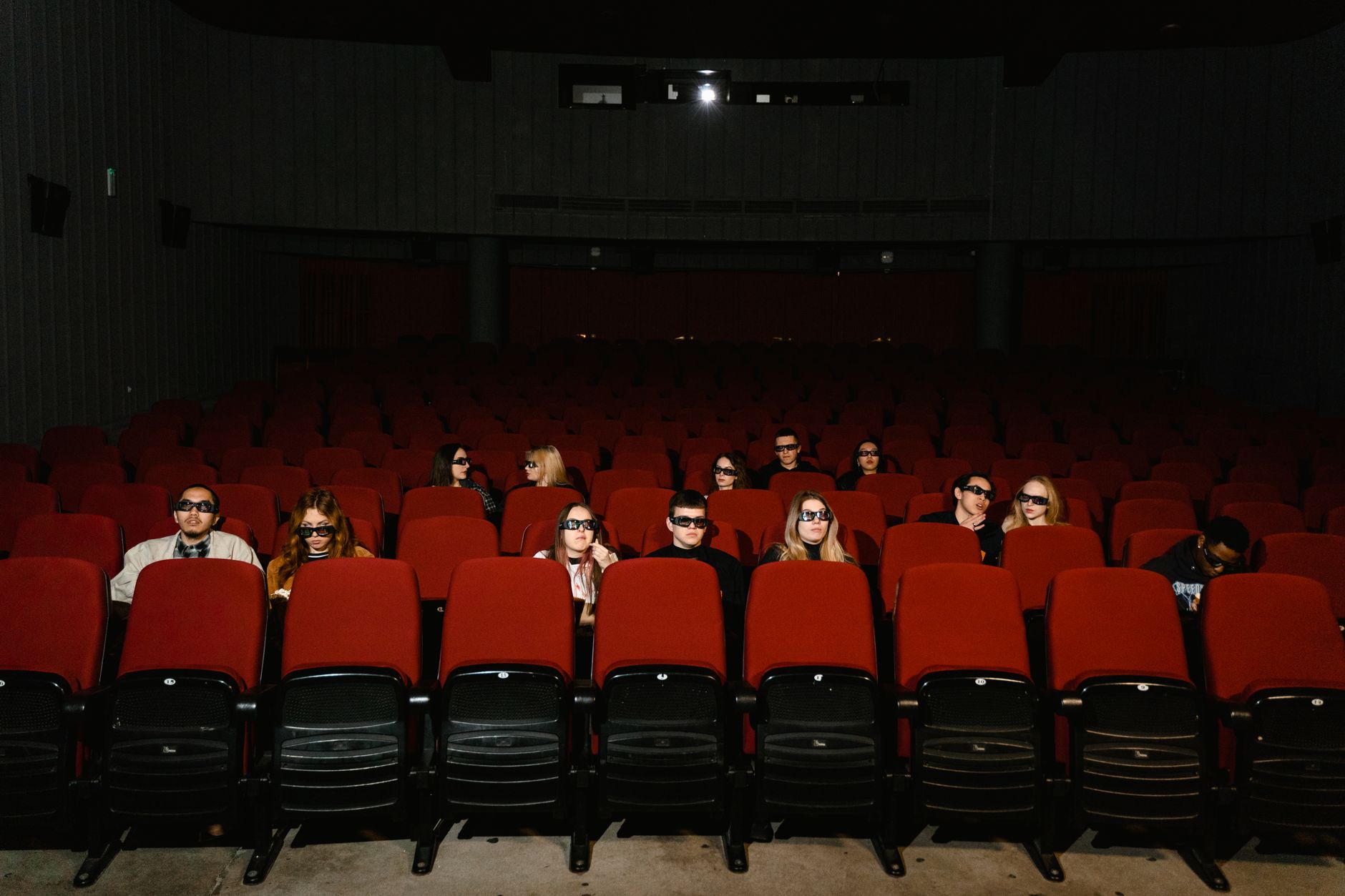
For cinephiles and entertainment enthusiasts, the distinction between watching a movie on a large projected screen and a typical television is profound. A 4K projector doesn't just offer a larger image; it offers a different *quality* of experience. The sheer scale envelops the viewer, mimicking the feeling of being in a commercial cinema. This immersion is crucial for appreciating the artistic intent behind films, from the subtle details in the cinematography to the vastness of the landscapes depicted. Furthermore, the dynamic range and color accuracy of modern 4K projectors are often exceptional, delivering deep blacks and brilliant highlights that make images pop with realism. This level of visual fidelity can significantly enhance the emotional impact of storytelling and the excitement of action sequences, making it a worthwhile consideration for anyone serious about their home viewing.
Beyond the cinematic aspect, 4K projectors are increasingly becoming a compelling choice for gamers. The massive screen real estate provided by a projector offers a significant advantage in many video games, allowing for better situational awareness and a more immersive gameplay experience. Imagine exploring vast open worlds or engaging in fast-paced multiplayer battles on a screen that fills your field of vision – it's a level of engagement that smaller screens simply cannot provide. Many new projectors also boast low input lag and high refresh rates, essential features for competitive gaming. The ability to create a truly epic gaming environment without the astronomical cost of an equally massive TV makes projectors a smart investment for dedicated gamers seeking the ultimate interactive experience.
The decision between a TV and a projector also impacts the overall aesthetic and functionality of a living space. While large TVs are permanent fixtures, often dominating the room's design, a projector system can be more discreet. When not in use, the screen can be retracted, or the projector itself can be ceiling-mounted and largely invisible, preserving the room's ambiance. This flexibility is particularly valuable in multi-purpose rooms or smaller apartments where a giant black rectangle might be undesirable. Moreover, the cost-effectiveness of achieving a very large screen size with a projector compared to a similarly sized TV remains a significant factor. For the price of a large, premium television, one can often acquire a high-quality 4K projector and a substantial screen, offering far greater visual impact for the investment.
Ground Reality
In practical terms, setting up a 4K projector system involves considerations beyond simply plugging it in. Ambient light is still a factor; while modern projectors are brighter, optimal viewing conditions are achieved in a dimly lit or dark room. This might necessitate the use of blackout curtains or blinds, especially for daytime viewing. The projector needs to be positioned correctly relative to the screen to achieve a sharp, undistorted image, often requiring careful measurement and placement, potentially involving ceiling mounts or specialized stands. Screen selection is also crucial; a dedicated projector screen provides a much better surface than a plain wall, offering superior reflectivity and uniformity, and significantly impacting image quality. The cost of a quality screen, combined with the projector itself, should be factored into the total budget, as it's an essential component for realizing the full potential of the projection system.
The variety of 4K projectors available can be overwhelming, ranging from ultra-short-throw (UST) models that sit inches from the wall to standard-throw projectors requiring significant distance. UST projectors offer convenience by minimizing cable clutter and allowing placement near the screen, but they can sometimes be more susceptible to image artifacts and may require specific screen types (like ALR - Ambient Light Rejecting screens) to perform optimally. Standard-throw projectors offer more flexibility in placement and often a wider range of models and price points, but they demand more careful consideration of room layout and potential obstructions. Understanding these differences—throw ratio, brightness (lumens), contrast ratio, color gamut coverage, and resolution technologies (like XPR for simulated 4K)—is vital for making an informed purchase that aligns with your specific room and viewing habits.
Maintenance and longevity are also practical aspects to consider. While lamp-based projectors require periodic bulb replacements (typically every few thousand hours), newer LED and laser projectors offer significantly longer lifespans, often exceeding 20,000 hours. This translates to years, potentially a decade or more, of use without needing a replacement light source, reducing long-term costs and hassle. Dust and heat management are also important; projectors have cooling systems that require clear airflow, and occasional cleaning of filters may be necessary to maintain performance and prevent overheating. Smart features, such as built-in streaming apps and wireless connectivity, are becoming increasingly common, simplifying the user experience and reducing the need for external streaming devices, bringing projectors closer to the all-in-one convenience of modern TVs.
What Experts Are Saying
Industry analysts consistently highlight the accelerating convergence of technology that makes 4K projectors more viable than ever for the average consumer. They point to significant improvements in laser and LED light sources, which not only offer superior brightness and color accuracy but also drastically extend the lifespan compared to traditional lamps. This enhanced durability and reduced maintenance are key selling points that address past consumer hesitations. Experts also note the increasing sophistication of image processing chips within projectors, enabling features like dynamic tone mapping and advanced motion handling, which were once exclusive to high-end televisions. The push towards HDR (High Dynamic Range) content is also being met by projectors capable of reproducing a wider color gamut and greater contrast, delivering a more impactful visual experience that rivals premium TVs.
Reviewers frequently praise the unparalleled sense of scale and immersion that 4K projectors provide, often describing it as the closest one can get to a commercial cinema experience at home. They emphasize that for movie lovers, sports fanatics, and gamers, the ability to create a screen that fills one's field of view is a transformative advantage that no flat-panel TV can match without becoming impractically enormous and expensive. While acknowledging the need for controlled lighting conditions for the best results, many experts find that modern projectors with sufficient brightness and advanced screen technologies (like Ambient Light Rejecting screens) can perform admirably even in rooms with moderate ambient light. The flexibility in screen size, allowing users to tailor the viewing experience precisely to their space and preference, is consistently cited as a major benefit.
The debate between projectors and TVs often centers on specific use cases and budgets. Experts suggest that for those prioritizing the absolute best image quality in a bright room with minimal fuss, a high-end OLED or QLED TV might still hold an edge. However, for users seeking the largest possible screen size for the money, maximum immersion, and a true cinematic feel, particularly in dedicated or easily darkened spaces, 4K projectors present an increasingly compelling and often superior value proposition. They highlight that the technology has matured significantly, overcoming many of its historical drawbacks, making it a serious contender for the ultimate home entertainment centerpiece, especially as prices continue to become more competitive.

Frequently Asked Questions
What Happens Next
The trajectory for 4K projection technology points towards continued innovation and increased accessibility. We can expect further improvements in brightness and contrast ratios, allowing projectors to perform even better in less-than-ideal lighting conditions, blurring the lines further between projector and TV usability. Advancements in laser and LED light sources will likely lead to even longer lifespans, greater energy efficiency, and potentially lower costs. Expect more sophisticated image processing, including enhanced HDR performance and wider color gamuts, bringing projected images closer to the visual fidelity of premium displays. The integration of smart features, AI-driven calibration tools, and seamless connectivity options will also continue to evolve, simplifying the user experience and making setup more intuitive.
The market is also likely to see a diversification of projector types catering to specific needs. Ultra-short-throw (UST) projectors, already gaining popularity for their convenience, will likely become more refined and affordable, offering even larger screen sizes from minimal distances. We may also see a greater proliferation of portable and battery-powered 4K projectors, enhancing their versatility for outdoor use or presentations on the go. As the technology matures and production scales increase, the price-to-performance ratio is expected to improve, making high-quality 4K projection accessible to a broader audience. This democratization of large-screen, high-resolution viewing will undoubtedly reshape home entertainment habits and expectations.
Ultimately, the competition between advanced TVs and increasingly capable 4K projectors will continue to drive innovation across the entire home entertainment landscape. Consumers stand to benefit from this rivalry, as both technologies push the boundaries of image quality, features, and affordability. For those seeking the ultimate immersive experience, the future looks bright for 4K projectors, offering a path to owning a truly cinematic display that can transform any room into a private theater, rivaling the best commercial cinemas in scale and impact.












Comments
No comments yet. Be the first to comment!