
Key Takeaways
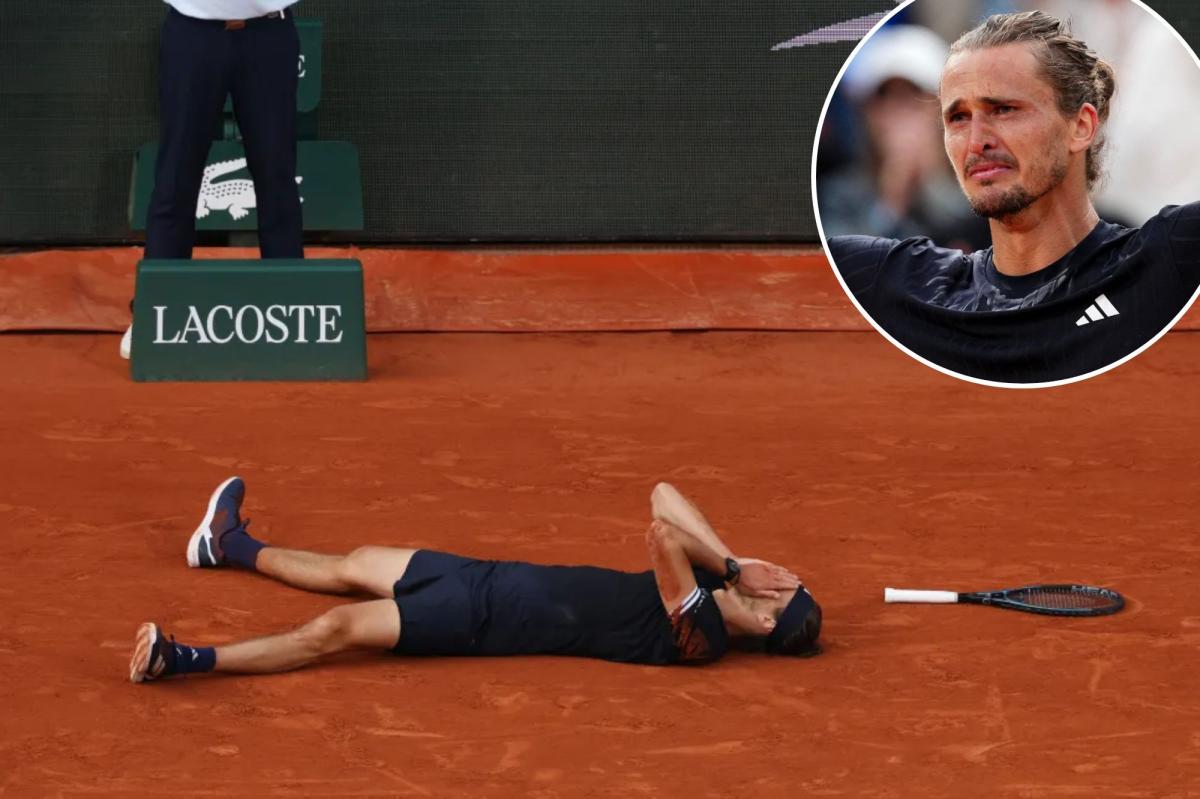
- Alexander Zverev has finally captured his maiden Grand Slam title, triumphing at the prestigious French Open and fulfilling a long-held ambition.
- This victory marks a significant career milestone for Zverev, overcoming previous Grand Slam final disappointments and cementing his status among the sport's elite.
- The German's dominant performance throughout the tournament showcased his growth, resilience, and tactical prowess on the clay courts of Roland Garros.
- Zverev's triumph is a testament to his unwavering dedication and perseverance, proving that persistent effort can indeed lead to the ultimate success in professional tennis.
- This historic win is expected to propel Zverev's confidence and ranking, potentially ushering in a new era of dominance for him in future major tournaments.
- The French Open victory provides Zverev with invaluable momentum as he continues his pursuit of further Grand Slam glory and aims to solidify his legacy.
Background
Alexander Zverev's journey to a Grand Slam title has been a narrative of immense talent meeting persistent challenge. For years, the German prodigy has been a fixture in the latter stages of major tournaments, his powerful game and athletic prowess hinting at inevitable championship success. Yet, the final hurdle often proved insurmountable, leaving fans and analysts questioning when his undeniable potential would translate into a Grand Slam trophy. His career has been punctuated by impressive victories on the ATP Tour, including multiple ATP Finals titles, showcasing his ability to perform under pressure against the world's best. However, the Grand Slam stage, with its unique pressures and best-of-five-set format, presented a different kind of test. Zverev's path has also been marked by personal growth and learning from previous experiences, particularly his heartbreaking loss in the 2020 US Open final, which served as a crucial, albeit painful, lesson in managing high-stakes matches.
The French Open, known for its grueling clay courts and demanding conditions, has historically been a proving ground for champions. Its slow surface tests a player's endurance, tactical acumen, and mental fortitude like few other surfaces. Zverev, while possessing a potent game suited for all surfaces, has steadily improved his clay-court game over the years, demonstrating a greater understanding of movement, spin, and strategic play on this challenging terrain. His performances in Rome and Monte Carlo leading up to Roland Garros provided strong indicators of his current form and comfort level on clay. The anticipation surrounding his potential success at the French Open was palpable, fueled by his consistent presence at the top of the rankings and his evident desire to claim the sport's most coveted individual prize. This tournament represented not just another opportunity, but perhaps a pivotal moment in his career, a chance to finally ascend to the pinnacle of men's tennis.
The narrative of Zverev's pursuit of a Grand Slam title is deeply intertwined with the expectations placed upon him from a young age. Hailed as the heir apparent to the 'Big Three' for much of his career, the pressure to deliver a major championship has been immense. This has created a compelling storyline, as fans have watched him mature on court, navigating the highs of brilliant performances and the lows of near misses. His resilience in the face of such scrutiny is a testament to his character and dedication. Each Grand Slam tournament offered a fresh opportunity to rewrite his story, to transform the narrative from 'promising talent' to 'Grand Slam champion.' The French Open, with its rich history and demanding nature, provided the perfect stage for this potential crowning achievement, a place where legends are made and careers are defined by their ultimate triumphs.
Why It Matters
Alexander Zverev's maiden Grand Slam victory at the French Open signifies a monumental shift in the landscape of men's tennis. For years, the sport has been dominated by a select few, and the emergence of a new, consistent major champion like Zverev is crucial for its continued evolution and appeal. This win validates his position as a top-tier player and provides a much-needed injection of fresh energy into the Grand Slam circuit. It demonstrates that the established order can be challenged and that sustained effort and growth can lead to the ultimate prize, inspiring a new generation of players who see that breaking through is possible. His success offers a compelling narrative of perseverance, a story that resonates far beyond the tennis court, highlighting the importance of never giving up on long-term goals.
From a career perspective, this French Open title is transformative for Zverev. It alleviates the immense pressure he has faced to win a major, allowing him to play with greater freedom and confidence in future tournaments. This psychological boost is invaluable and can unlock a new level of performance, potentially leading to a period of sustained dominance. The Grand Slam trophy is the ultimate benchmark of success in tennis, and now possessing one, Zverev can approach every major event with the belief that he is capable of winning it all. This victory not only enhances his personal legacy but also strengthens his marketability and appeal to sponsors, further solidifying his financial security and global recognition within the sport.
The impact of Zverev's win extends to his national standing and the broader tennis community. In Germany, where tennis has a rich history but has long awaited another male Grand Slam champion of this caliber, his victory will undoubtedly spark renewed interest and enthusiasm for the sport. It provides a tangible hero for young German players to emulate and could inspire a surge in participation. Globally, it reinforces the narrative of competition and the cyclical nature of athletic achievement. It shows that while established stars remain formidable, new champions are emerging, keeping the sport dynamic and exciting for fans worldwide. This win is not just a personal triumph; it's a significant moment for German tennis and a compelling chapter in the ongoing story of Grand Slam history.
Ground Reality
The path to Zverev's French Open victory was paved with formidable opponents and demanding conditions, reflecting the sheer difficulty of winning a Grand Slam. Each match presented unique strategic challenges, requiring Zverev to adapt his game plan on the fly against diverse playing styles. The clay surface at Roland Garros, known for its slow pace and high bounce, tested his endurance and defensive capabilities to their limits. He had to consistently dig deep, often playing grueling five-setters that drained both physical and mental reserves. This tournament was not merely about winning points; it was about enduring long rallies, managing momentum swings, and maintaining unwavering focus through every critical juncture, a true test of a champion's mettle.
Zverev's performance statistics throughout the tournament paint a picture of a player operating at an exceptionally high level. His serve, a significant weapon, delivered a high percentage of first serves and a substantial number of aces, crucial for gaining an advantage in crucial service games. Equally impressive was his return game, which often put pressure on his opponents' serves, creating break opportunities. His groundstrokes were consistently powerful and accurate, allowing him to dictate play from the baseline. Furthermore, his net play, often an area for improvement, showed marked progress, with decisive volleys and smart approaches to the net. These on-court metrics underscore a player who has meticulously honed his skills and executed his strategy with precision and effectiveness.
Beyond the statistics and match outcomes, Zverev demonstrated remarkable mental fortitude. Overcoming the pressure of being a pre-tournament favorite, coupled with the weight of past Grand Slam disappointments, required immense psychological strength. He navigated tense moments, crucial tie-breaks, and challenging crowd dynamics with a composure that belied his previous experiences in major finals. This ability to remain calm and focused under duress, particularly in the high-stakes environment of a Grand Slam final, is a hallmark of a true champion. It signifies a maturation in his game and a readiness to handle the biggest stages in tennis, proving he can deliver when it matters most.
What Experts Are Saying
Tennis analysts widely lauded Zverev's performance, highlighting his strategic brilliance and mental resilience throughout the tournament. Many pointed to his improved clay-court movement and tactical adjustments as key factors in his success, noting how he effectively neutralized his opponents' strengths and exploited their weaknesses. Commentators frequently referenced his powerful serve and aggressive baseline game, emphasizing how these weapons were deployed with greater consistency and precision than ever before on the Grand Slam stage. The consensus among experts is that this victory is a deserved culmination of years of hard work and development, finally translating his immense talent into the sport's ultimate prize.
Pundits also emphasized the significance of Zverev overcoming his past Grand Slam final struggles. They noted the visible difference in his demeanor and decision-making during critical moments, suggesting he has learned valuable lessons from previous near-misses. The narrative of perseverance was a recurring theme, with many experts commending his ability to maintain belief and continue pushing towards his goal despite setbacks. This win, they argue, fundamentally alters his career trajectory and places him firmly in the conversation of the sport's elite, capable of challenging for multiple major titles in the coming years.
Looking ahead, experts anticipate that this French Open title will serve as a major catalyst for Zverev's future success. They predict a surge in his confidence and a potential period of dominance, particularly as he now possesses the ultimate validation of being a Grand Slam champion. The psychological barrier has been broken, and he is expected to approach future majors with a newfound belief in his ability to go all the way. This victory is seen not as an endpoint, but as the beginning of a new chapter, where Zverev can fully express his potential and contend for numerous titles, solidifying his legacy in the annals of tennis history.

Frequently Asked Questions
What Happens Next
With his maiden Grand Slam title secured at Roland Garros, Alexander Zverev now faces the exciting prospect of building upon this monumental achievement. The immediate focus will likely be on maintaining his current form and confidence as the tennis season progresses through its grass and hard-court swings. He will undoubtedly approach upcoming tournaments, including Wimbledon and the US Open, with a renewed sense of belief and the tangible proof that he can win the biggest titles. This victory serves as a powerful springboard, potentially unlocking a new level of consistent performance and challenging for more major championships in the near future.
The psychological impact of this win cannot be overstated. Zverev has shed the label of 'Grand Slam nearly-man' and can now compete with the freedom that comes from achieving his ultimate career goal. This mental liberation is expected to translate into more relaxed and assertive play, allowing him to fully express his talent on court without the burden of past expectations. His rivals will also take note, recognizing him as a proven major champion capable of winning any tournament he enters, thus increasing the competitive intensity across the tour.
Looking further ahead, Zverev's career trajectory has been significantly altered. He is now firmly established as one of the sport's elite, with the potential to add multiple Grand Slam titles to his resume and contend for the World No. 1 ranking. His journey to this point has been one of remarkable resilience and growth, and this victory is likely just the beginning of a new, highly successful chapter. The coming seasons will reveal the full extent of his championship potential as he continues to chase further glory and solidify his place in tennis history.











Comments
No comments yet. Be the first to comment!