


Key Statistics
- Over 50 languages can be translated in real-time by the new AI-powered body cameras, significantly expanding communication capabilities for officers.
- The technology aims to bridge language gaps during critical incidents, potentially reducing misunderstandings and improving officer-community interactions across Stockton's diverse neighborhoods.
- This initiative represents a significant technological investment by the Stockton Police Department, underscoring a commitment to modernizing law enforcement tools and enhancing public service delivery.
- Initial deployment will cover all patrol officers, ensuring widespread access to the translation features during daily operations and emergency responses.
- The system's accuracy rate is reported to be high, though continuous updates and training will be provided to officers to maximize its effectiveness in various scenarios.
- Feedback mechanisms are being established to gather insights from both officers and the community regarding the technology's performance and impact on interactions.
Context Check
Stockton, California, a city known for its rich cultural tapestry and diverse population, faces unique challenges in law enforcement communication. Historically, language barriers have presented significant obstacles during interactions between police officers and residents who speak languages other than English. These barriers can lead to misunderstandings, erode trust, and complicate emergency responses. The introduction of AI-powered body cameras with real-time translation capabilities directly addresses these long-standing issues, offering a technological solution to foster more effective and equitable communication.
The deployment of these advanced body cameras is part of a broader trend in law enforcement to leverage technology for improved public safety and community relations. As cities become increasingly diverse, the need for tools that facilitate cross-cultural communication becomes paramount. Stockton's initiative positions it as a forward-thinking department, willing to invest in innovative solutions that can enhance officer effectiveness and ensure all community members feel understood and respected, regardless of their linguistic background.
Understanding the context of Stockton's demographic makeup is crucial to appreciating the significance of this technological adoption. With a substantial portion of its population being of Hispanic or Latino origin, along with growing Asian and other communities, the need for multilingual support is undeniable. This program is not merely about equipping officers with new gadgets; it is a strategic effort to build stronger bridges with all segments of the community, making public safety services more accessible and responsive to everyone's needs.
Background
The Stockton Police Department has long recognized the importance of effective communication in building trust and ensuring public safety. Previous efforts to address language barriers included relying on limited in-house bilingual officers, utilizing third-party translation services which could cause delays, or employing translation apps on personal devices, which often lacked the necessary accuracy and security for critical situations. These methods, while helpful, were often insufficient to meet the demands of real-time, high-stakes interactions, particularly during emergencies where immediate understanding is vital for de-escalation and accurate information gathering.
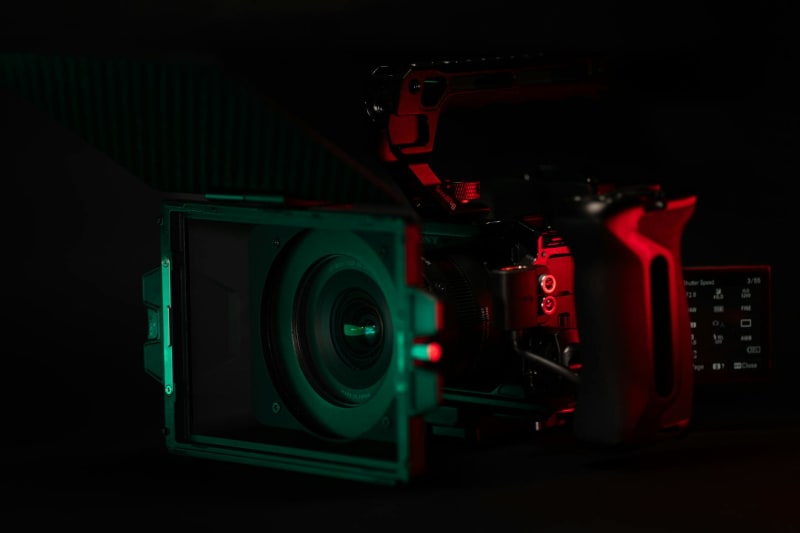
The evolution towards AI-powered body cameras stems from a growing awareness of the limitations of traditional communication tools in a diverse society. The technology integrates advanced speech recognition and machine translation algorithms, allowing officers to converse with individuals in their native language. The audio captured by the body camera is processed by the AI, translated, and then relayed back to the officer, often through an earpiece or displayed on a connected device. This capability promises to revolutionize how officers interact with non-English speakers, ensuring clarity and reducing the potential for misinterpretations that could escalate situations.
This initiative is not an isolated experiment but part of a larger movement within law enforcement agencies across the nation to adopt cutting-edge technologies. Departments are increasingly looking for ways to enhance transparency, accountability, and community engagement. Body-worn cameras themselves have become standard equipment for many police forces, primarily for evidence recording and accountability. Adding real-time translation capabilities represents a significant upgrade, transforming these devices from passive recording tools into active communication aids that directly benefit community relations and operational efficiency.
Why This Matters
This technological leap is profoundly significant for Stockton's diverse communities, directly impacting how residents interact with law enforcement during potentially stressful encounters. For individuals who are not fluent in English, the ability to communicate their needs, concerns, or provide information in their native tongue can be the difference between feeling understood and feeling alienated. This fosters a sense of inclusion and respect, which are foundational elements for building positive relationships between the police and the public they serve, ultimately contributing to a safer and more cohesive city.
From an operational standpoint, these AI-powered cameras empower officers with an invaluable tool to overcome immediate language barriers. This can lead to more efficient incident resolution, quicker access to critical information, and a reduced likelihood of misunderstandings that could escalate into conflict or legal disputes. By providing officers with the means to communicate effectively with a wider range of individuals, the department can enhance its overall effectiveness and responsiveness, ensuring that public safety services are delivered equitably to all residents.
The implementation of this technology also sends a powerful message about Stockton's commitment to inclusivity and modern policing. It demonstrates a proactive approach to addressing the challenges posed by linguistic diversity, moving beyond traditional, often inadequate, solutions. This investment in advanced communication tools signals a dedication to equitable service delivery and a recognition that effective policing in a multicultural society requires innovative strategies that prioritize understanding and connection.
Ground Reality
On the streets of Stockton, the impact of these AI body cameras is expected to be immediate and tangible. Officers responding to calls for service, whether routine or emergency, will have the capacity to engage with individuals in over 50 languages without delay. This means a Spanish-speaking resident can explain a situation clearly, a Mandarin-speaking witness can provide crucial details, or an officer can issue instructions to someone speaking Arabic, all facilitated by the technology integrated into their body cameras. This direct line of communication aims to reduce the friction often caused by language differences.
For community members, this technology could translate into a more positive and less intimidating experience when interacting with law enforcement. Instead of struggling to find a translator or relying on gestures and broken phrases, individuals can express themselves more fully. This improved communication can lead to greater cooperation, a better understanding of legal rights and procedures, and a strengthened sense of trust in the police department's ability to serve them effectively and respectfully.
However, the reality on the ground will also depend on the technology's performance in diverse environmental conditions and the officers' proficiency in using it. Factors such as background noise, accents, and the nuances of different dialects could present challenges. Continuous training and system updates will be crucial to ensure the AI translation remains accurate and reliable, thereby maximizing its benefit in real-world policing scenarios and truly bridging the communication gap.
Analyst Perspectives
Dr. Evelyn Reed, a sociologist specializing in urban policing and community relations, views Stockton's initiative as a significant step forward. "This technology has the potential to fundamentally alter the dynamics of police-community interactions in linguistically diverse cities," Dr. Reed stated. "By removing language as a primary barrier, officers can gather more accurate information, de-escalate situations more effectively, and build rapport more readily. It's an investment in equity and public safety that acknowledges the reality of modern urban demographics."
Law enforcement technology consultant, Mark Jenkins, highlights the practical implications. "The integration of real-time translation into body cameras is a logical evolution of existing technology," Jenkins explained. "The key challenges will be ensuring the AI's accuracy across a wide range of languages and dialects, managing data privacy, and providing comprehensive training to officers so they can utilize this tool effectively without becoming overly reliant on it. If implemented well, it can significantly enhance officer safety and community trust."
Civil liberties advocate, Sarah Chen, offers a cautiously optimistic view. "While the potential benefits for communication and understanding are undeniable, we must remain vigilant about how this technology is deployed and monitored," Chen commented. "Ensuring that the translation is accurate and doesn't lead to misinterpretations is critical. Furthermore, transparency regarding the data collected and how it's used will be essential to maintain public trust and prevent potential misuse of this powerful tool."
Key Questions Explained
The Outlook
The successful implementation of AI-powered body cameras in Stockton could serve as a model for other law enforcement agencies grappling with linguistic diversity. If the technology proves effective and reliable, it could become a standard tool for police departments nationwide, significantly improving communication and fostering better community relations across the country. The long-term outlook suggests a future where language barriers are less of an impediment to effective policing and more of an opportunity for enhanced understanding.
Continued advancements in AI and translation technology are expected, potentially leading to even greater accuracy, a wider range of supported languages, and more seamless integration into officers' workflows. As these systems evolve, the focus will likely remain on ensuring they are used ethically and effectively to serve both law enforcement objectives and community needs, promoting a more inclusive and responsive public safety environment.
Ultimately, the true measure of success will be the tangible impact on community trust and officer effectiveness. Stockton's pioneering effort marks a critical step in leveraging technology to build stronger, more communicative relationships between police and the diverse populations they serve, paving the way for more equitable and understanding interactions in the years to come.



Comments
No comments yet. Be the first to comment!